
‘This time we don’t have strength to rebuild’: Bird flu hits western India’s biggest egg-supply hub, again | Mumbai News
Suresh Dollabhai Prajapat (63) has run his Diamond Poultry Farm in Navapur through two bird flu outbreaks. He rebuilt after 2006 and survived 2021. On May 2, as officers finished culling the last of his 11,000 chickens, he decided he was done. “This time I don’t have any strength left,” he told The Indian Express.
Navapur, a town in Maharashtra’s Nandurbar district, is one of western India’s most productive egg-supply hubs, pushing nearly 10 lakh eggs daily to markets in Mumbai, Surat, Jalgaon and Nashik. It has now been hit by bird flu three times, in 2006, 2021, and now. Each time, the industry has shrunk a little more.

The current outbreak began quietly. On April 12, Prajapat found five dead chickens in his shed and assumed it was heatstroke. A vet prescribed medicines. By afternoon, 50 more were dead. By the next morning, over 300. Farms nearby were reporting the same thing.
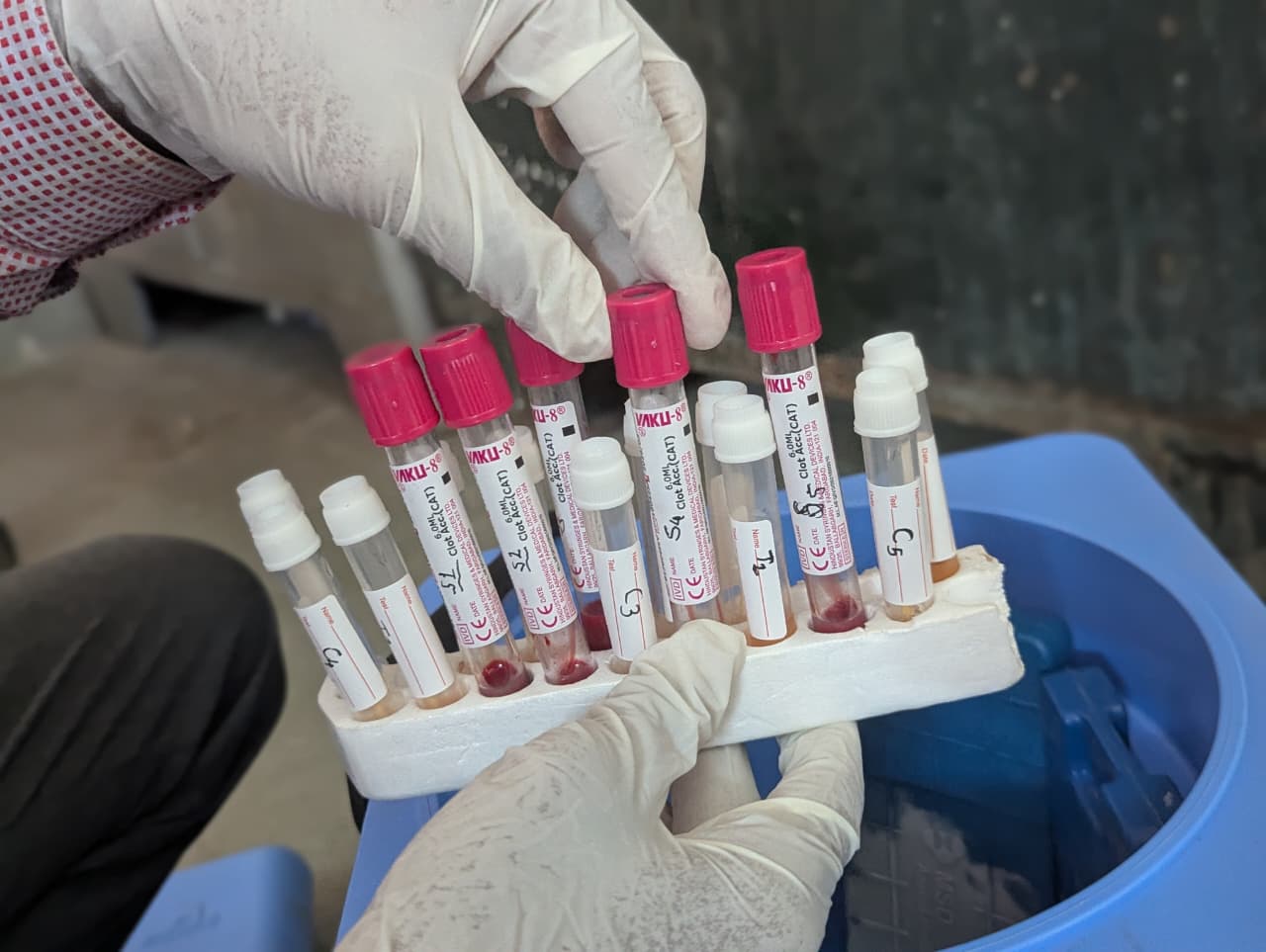 Tracheal swabs, cloacal swabs, and blood serum samples of birds were collected by veterinarians from the Animal Husbandry and Dairy Departments in Nandurbar and Nashik from the poultry farms in Navapur. (Express photo by Purnima Sah)
Similar scenes were playing out at Dawn Poultry Farm, beyond three-kilometre radius. On April 18, Tausif Balesaria (37) found 55 dead birds in the morning. By afternoon it was 132. “There were no visible symptoms, the birds were eating normally,” he said. “We thought it was a routine illness. You don’t realise until it’s too late.”
Samples were collected on April 26 and sent to the National Institute of High Security Animal Diseases in Bhopal. Those from three farms — Diamond, Tasleem and Dawn — tested positive for Avian Influenza. On April 30, District Collector Dr Mittali Sethi declared parts of Navapur an infected and surveillance zone, with a one-kilometre infected radius and 10-km surveillance radius around the epicentre. Movement and sale of poultry and related materials are banned for 90 days. Police have been deployed to enforce the restrictions.
By May 5, the numbers were staggering. Over 2 lakh birds were culled. Approximately 8 lakh eggs destroyed and more than 210 metric tonnes of feed disposed of. Dr Sanjay Kachane, Deputy Commissioner, Animal Husbandry and Dairy, Nandurbar, said the final toll could climb higher. A team of 18 culling officials, working in groups of four to five, has been at it since 8 am every day, he told The Indian Express, adding that another 140 veterinary officers, para-vets and support staff are deployed across the zone.
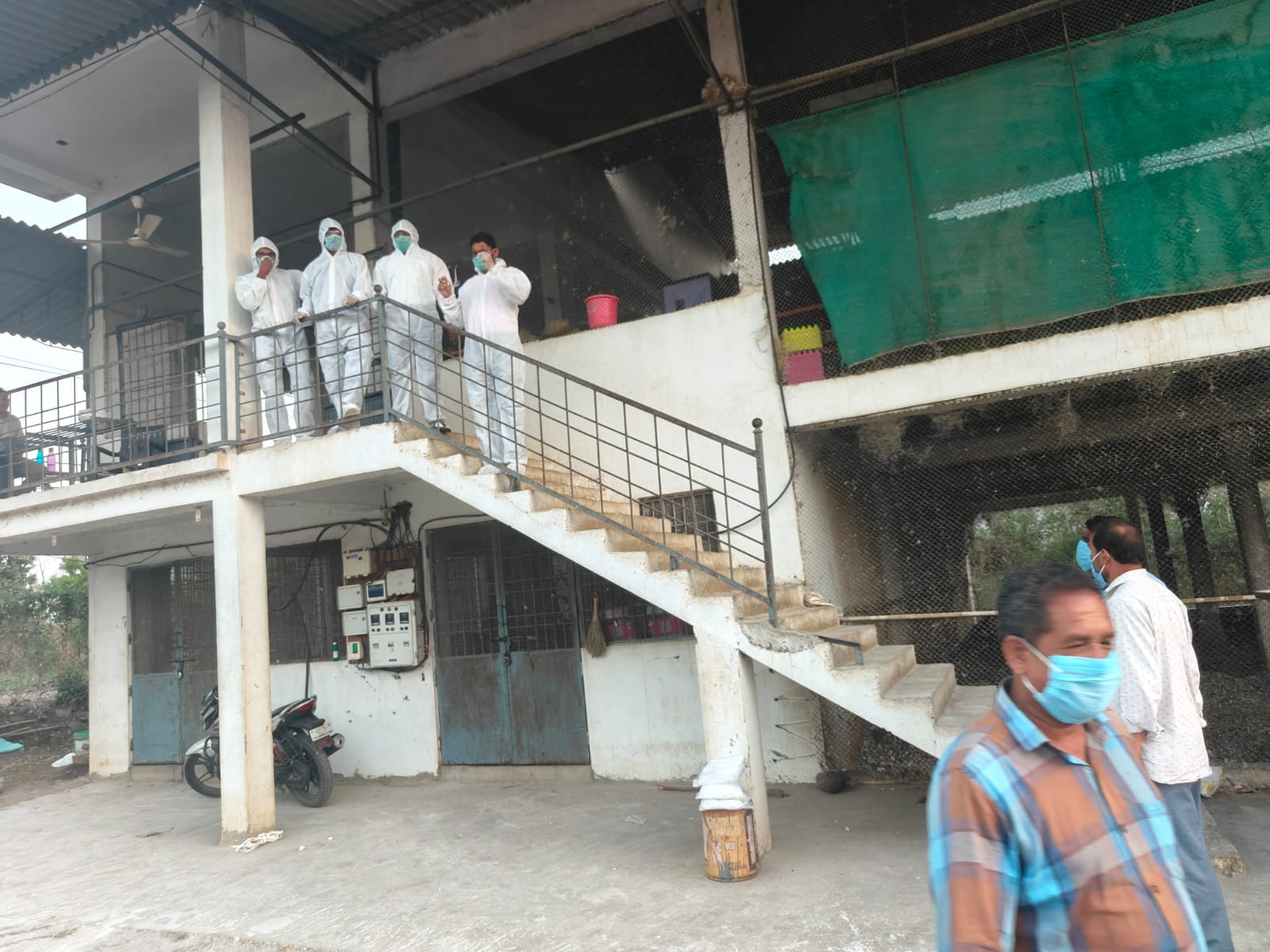 During the culling operation at Diamond Poultry Farm.
This is the third major outbreak in Navapur. In 2006, around 10 lakh birds were culled and 14 lakh eggs destroyed. In 2021, nearly 9 lakh birds were culled and close to 60 lakh eggs destroyed. Each outbreak has steadily eroded the local poultry economy.
Story continues below this ad
For Tausif, the scale is hard to process. All 62,300 birds on his farm were culled. Six lakh eggs destroyed and 72 tonnes of feed wasted. A third-generation farmer, he started out independently in 2017. This is his first solo crisis. “In 2006, we suffered losses too, but it was a joint family business then, so the burden was shared. I started on my own in 2017, this is the first time I’m facing such a loss alone.” With restocking banned for months, he doesn’t know how he’ll manage. “It’s stressful as sustaining this profession is becoming very difficult.”
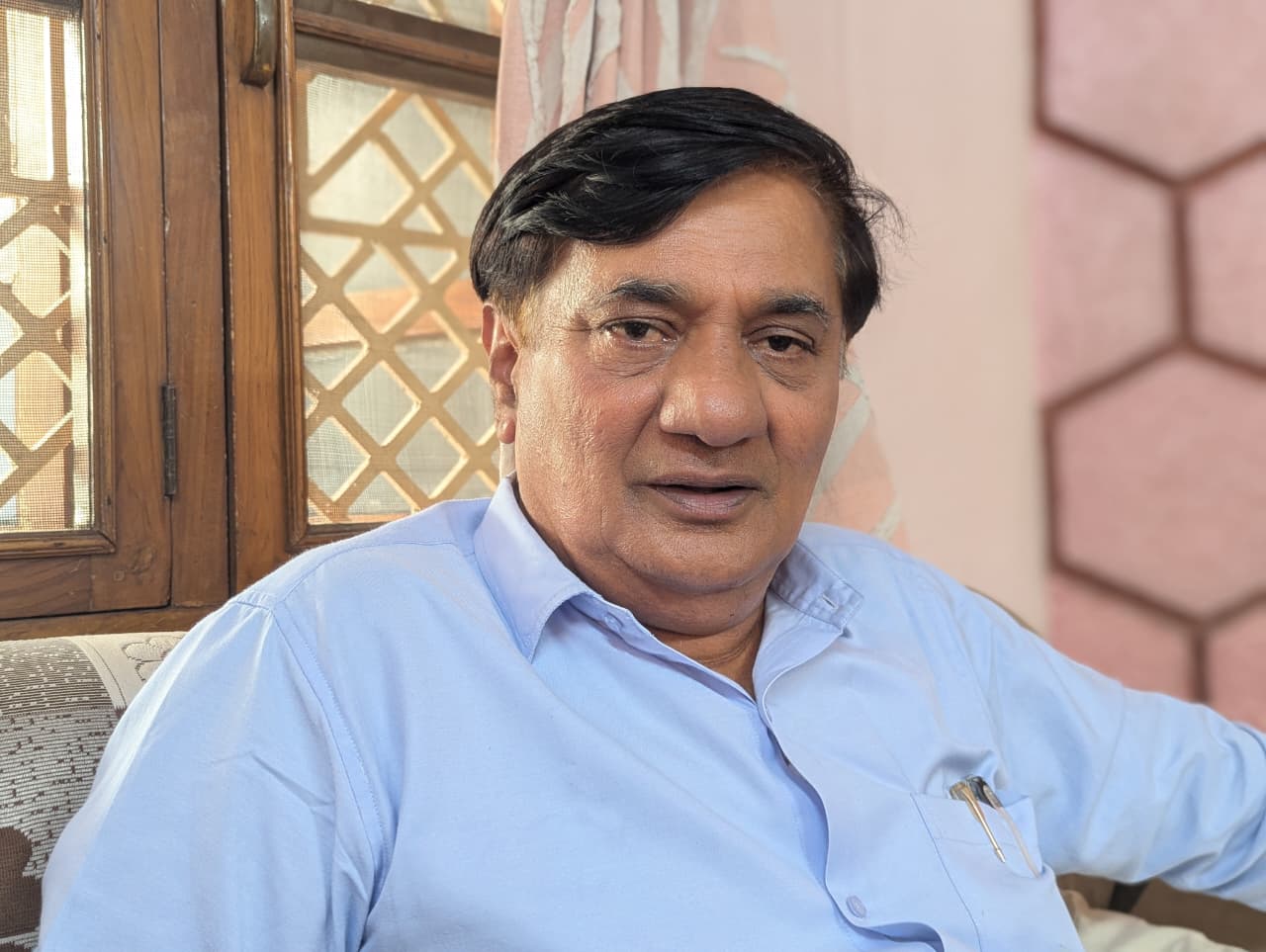 Arief Balesaria owner of the Wasim B Poultry Farm and president of the Navapur Poultry Association. (Express photo by Purnima Sah)
At Tasleem Poultry Farm, Ahmad Dhumadia (45) supervised workers covering pits of culled birds with soil, as a thick stench filled the air, forcing women workers to wrap dupattas around their faces. He has been through this twice before. In 2006, he lost Rs 60 lakh. In 2021, 60,000 birds were culled and losses crossed Rs 1.5 crore. This time, 35,000 birds culled, 15,000 eggs destroyed, 33 tonnes of feed gone, and losses of at least Rs 1 crore on birds alone. Dhumadia said farmers now bear much of the recovery cost themselves, buying disinfectants and paying for labour and litter cleaning out of pocket.
He’s still not ready to quit. “We have seen a pattern, after every outbreak, when we restart, demand for eggs rises and prices improve. We recover eventually. The real struggle is restarting the business,” he said.
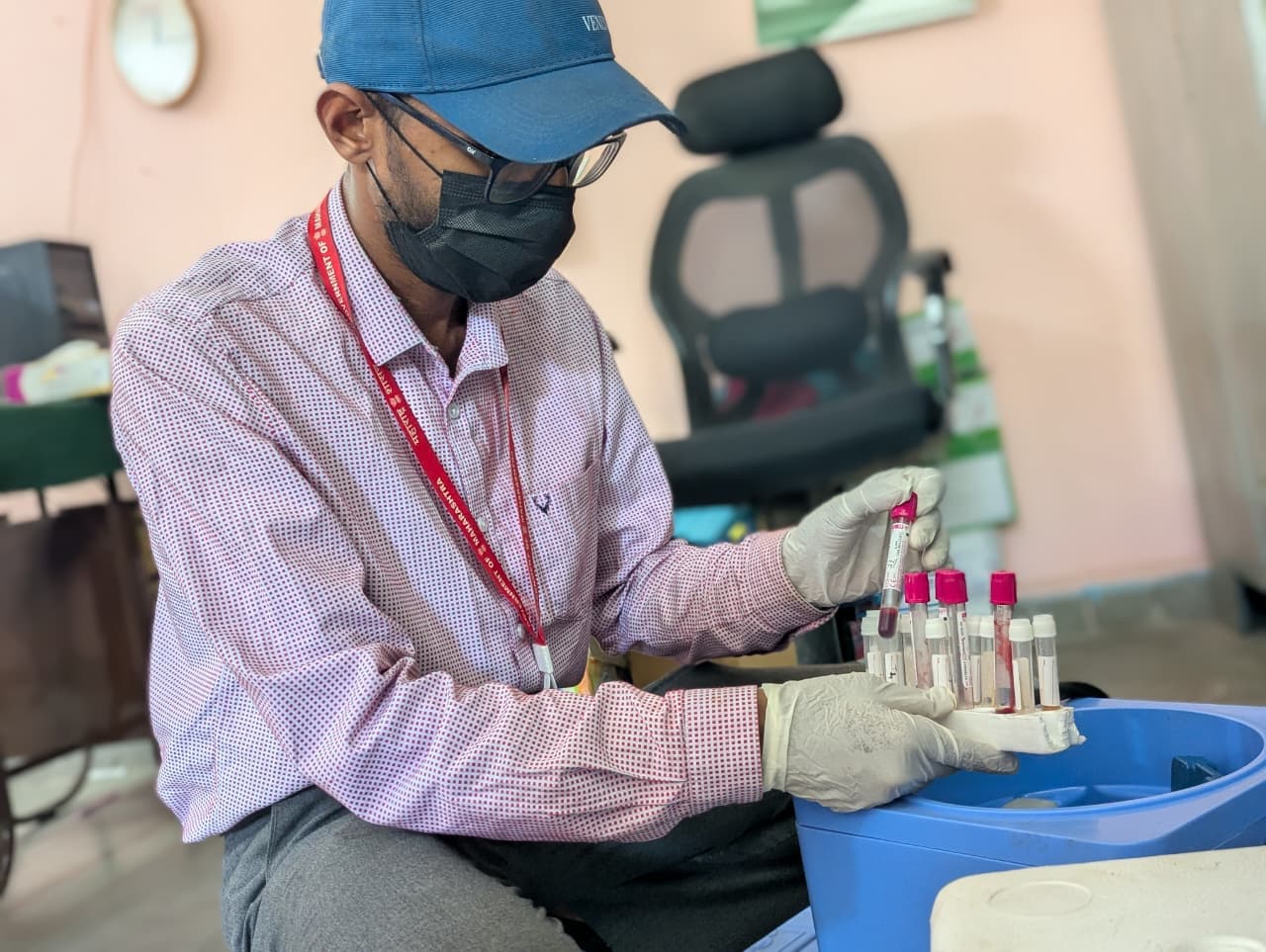 Tracheal swabs, cloacal swabs, and blood serum samples of birds collected by veterinarians from the Animal Husbandry and Dairy Departments in Nandurbar and Nashik from the poultry farms in Navapur. (Express photo by Purnima Sah)
Arief Balesaria (63), who owns Wasim B Poultry Farm and heads the Navapur Poultry Association, had no bird deaths on his farm. But that didn’t matter. Under containment protocol, his entire stock was wiped out — 30,000 chickens and 60,000 eggs.
Story continues below this ad
“It is a procedure as per guidelines, we have no say in it,” Arief said, adding repeated outbreaks have hollowed out the local industry. “In 2021, there were about 18 lakh layer birds. After that outbreak, seven farms shut down because they couldn’t recover. Today, the number is around 12 lakh. Some have sold their land, some have rented out sheds, some use them as godowns, and many have left the profession.”
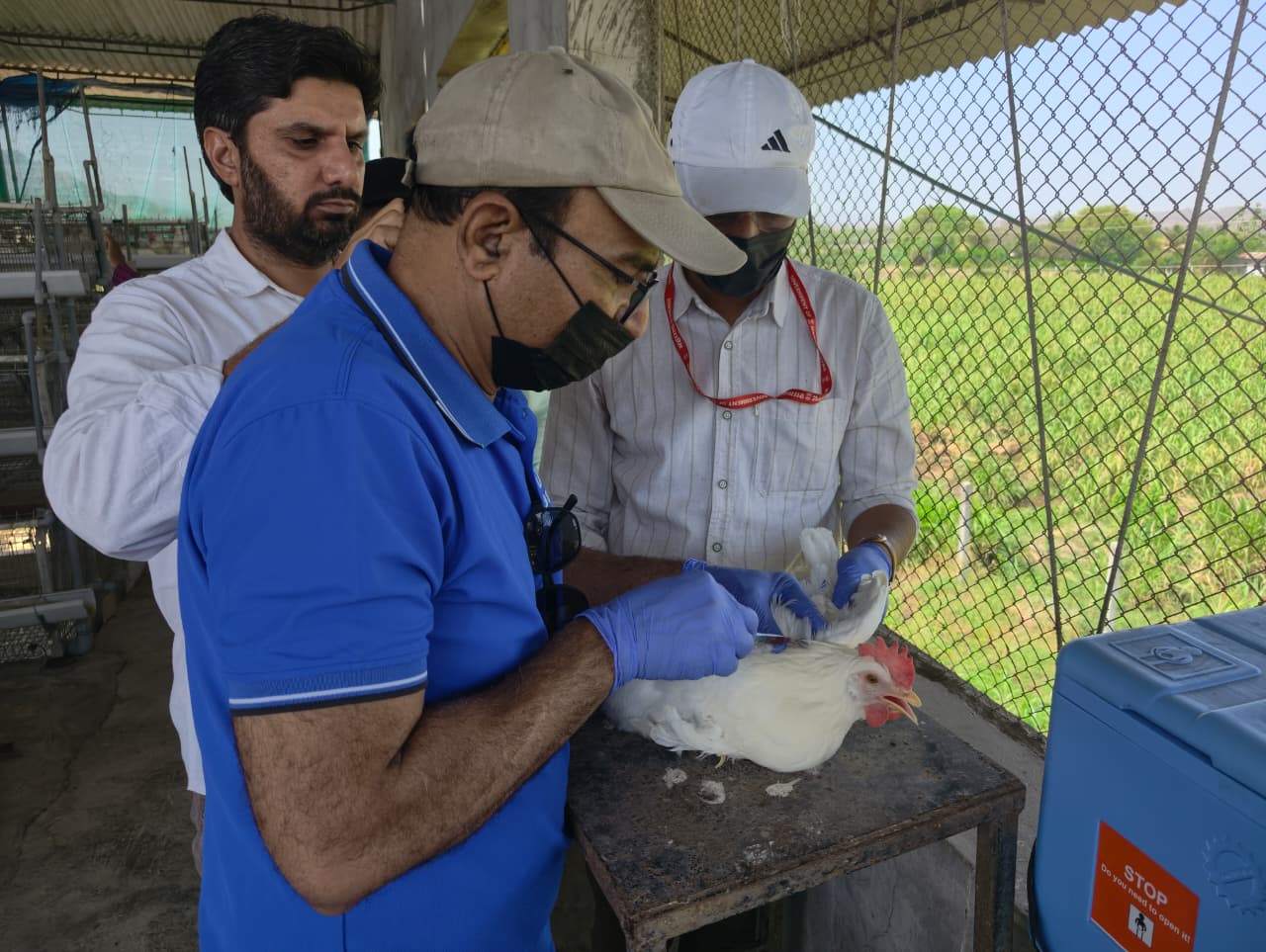 Blood samples collected from the wing veins of chickens in Navapur poultry farms by veterinarians for laboratory testing. (Express photo by Purnima Sah)
Compensation is where Arief gets blunt. “It costs around Rs 500 to raise a bird for four months until it starts laying eggs. The government’s compensation is Rs 140, it doesn’t even cover the cost. On average, each farmer loses at least Rs 200 per bird,” he said.
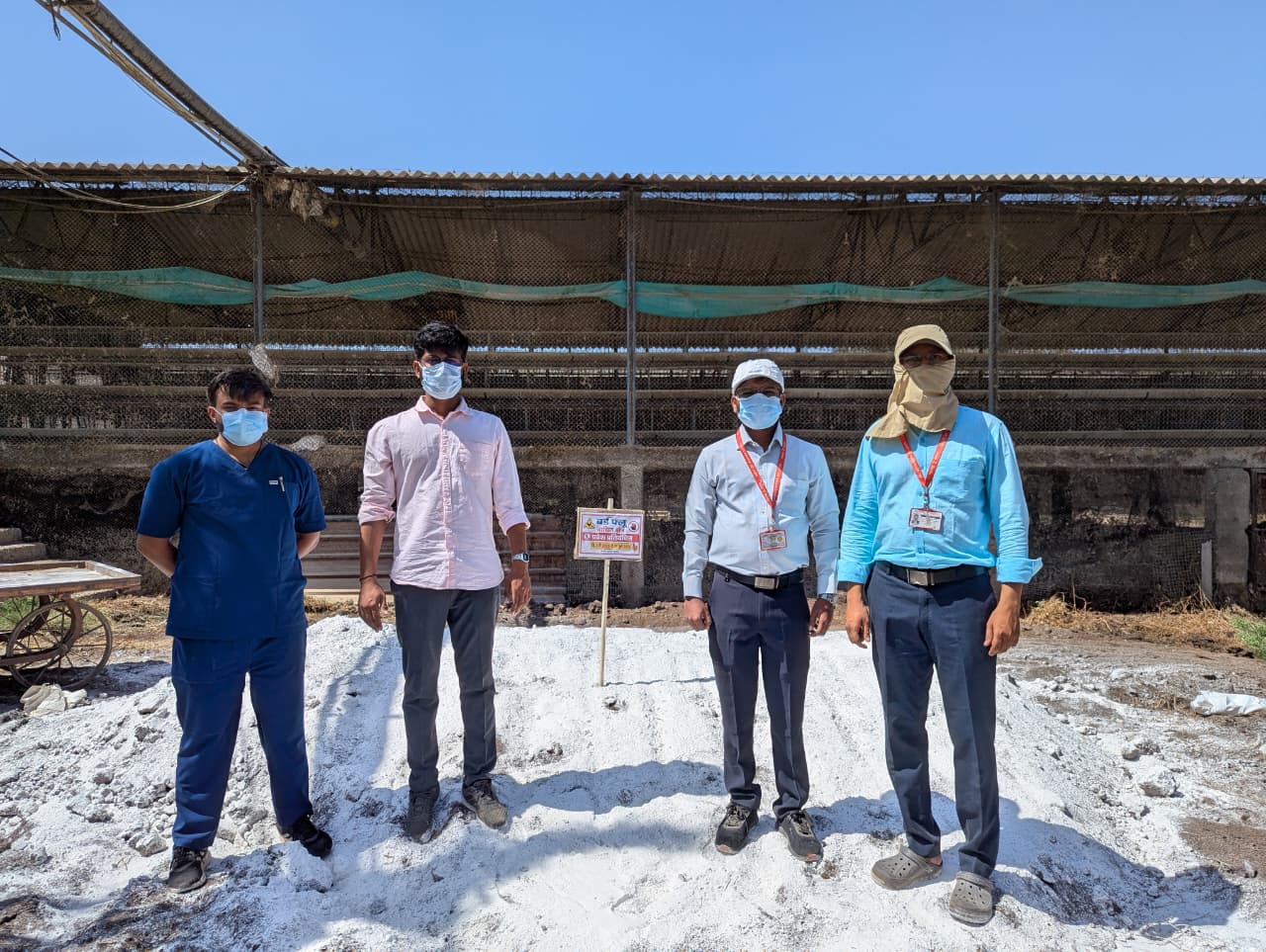 On May 3, 2026, a surveillance team erected a board at Tasleem Poultry Farm one of the bird flu epicenters in Navapur, that read Bird flu restricted zone, entry prohibited. (Express photo by Purnima Sah)
The rates have risen over the years. In 2006, farmers got Rs 20-40 per bird. After 2021, it rose to Rs 90. A 2024 revision brought it to Rs 140. Farmers had demanded Rs 450. They also want payments before culling begins, not after. “In 2021, compensation came within a week. We will have to see how long it takes this time,” Arief said.
Farmers have also pushed for vaccination. Arief says they’ve repeatedly requested permission to vaccinate chicks against Avian Influenza. It isn’t allowed in India for highly pathogenic strains. “If an effective vaccine for H5N1 were available, lakhs of birds would not have to be culled.” The government says vaccination against highly pathogenic strains remains under consideration, with officials noting that existing vaccines don’t guarantee full immunity and may complicate surveillance.
Story continues below this ad
Prajapat remembers 2006 clearly. “We had no idea what this virus was. We were scared. All the chickens, eggs, and feed in poultry farms in Navapur were culled, destroyed and burnt. Still, after that, my other seven brothers and I dared to continue,” he said.
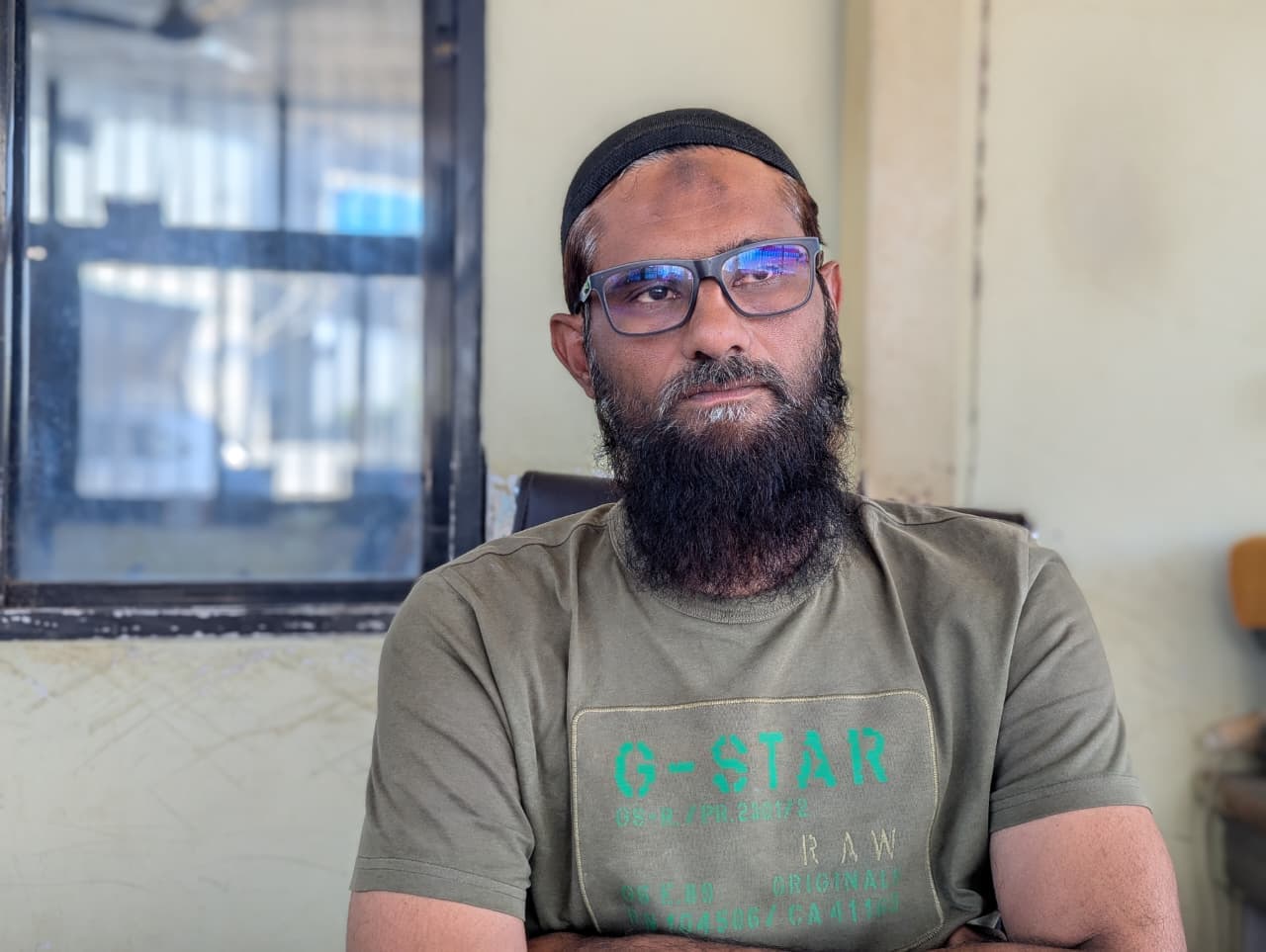 Ahmad Dhumadia owner of Tasleem Poultry Farm. (Express photo by Purnima Sah)
They rebuilt. They survived 2021. But his son never joined the business, and neither did his brothers’ sons. They watched their fathers struggle and chose differently — sugarcane, soyabean, grocery shops.
“Why would they join this business? The government should come up with a permanent solution to save us,” said Prajapat.
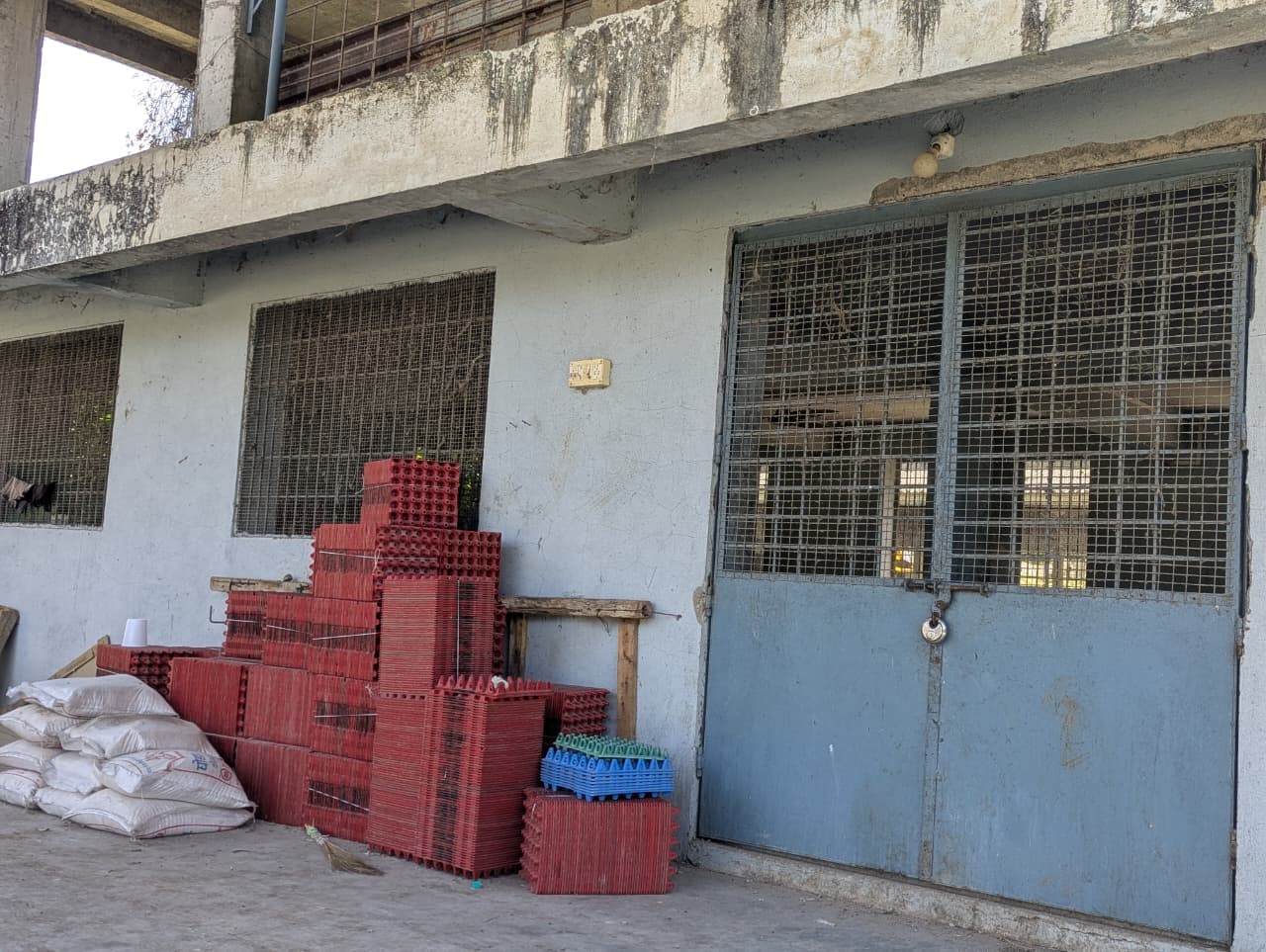 Egg crates at Tasleem Poultry Farm lie empty after they were destroyed by authorities. (Express photo by Purnima Sah)
District Collector Sethi said she has met all affected farmers and assured them compensation will come soon. “We have observed that beyond 5 km, the mortality is not that much,” she said, adding that samples from the 3-km radius were sent to labs on Sunday with results expected in three to four days.
Story continues below this ad
Outside Tasleem farm, a board says, “Bird flu restricted zone, entry prohibited. From May 3, 2026 to July 31, 2026.” For nearly three months, this part of Navapur will stay sealed.