Vidarbha Megalithic Site Reveals 2,500-Year-Old Burial Practices in Maharashtra
4 min readNagpurApr 24, 2026 06:37 PM IST
An ongoing excavation at a megalithic site in Virli Khandar has revealed distinctive burial architecture, rare artefacts and unusual pottery arrangements, offering fresh insights into ancient funerary practices in Vidarbha.
The site, located in Pauni tehsil of Bhandara district, in Maharashtra was first reported in 2008 by researchers from Rashtrasant Tukadoji Maharaj Nagpur University and is currently being excavated under archaeologist and Head of Department of Ancient Indian History, Culture, and Archaeology, RTMNU, Dr Prabash Sahu.

According to Professor Sahu, the site was selected for three reasons, including its unique burial pattern. “We have stone circles and within them menhirs (tall stone set upright), making it a composite megalithic structure — a combination of two burial types,” he said.
The excavation is also aimed at training students in field archaeology, including exploration, documentation and excavation. Additionally, nearby sites such as Pimpalgaon Nipani and Tirota Kheri feature dolmen burials, making Virli Khandar distinct in comparison.
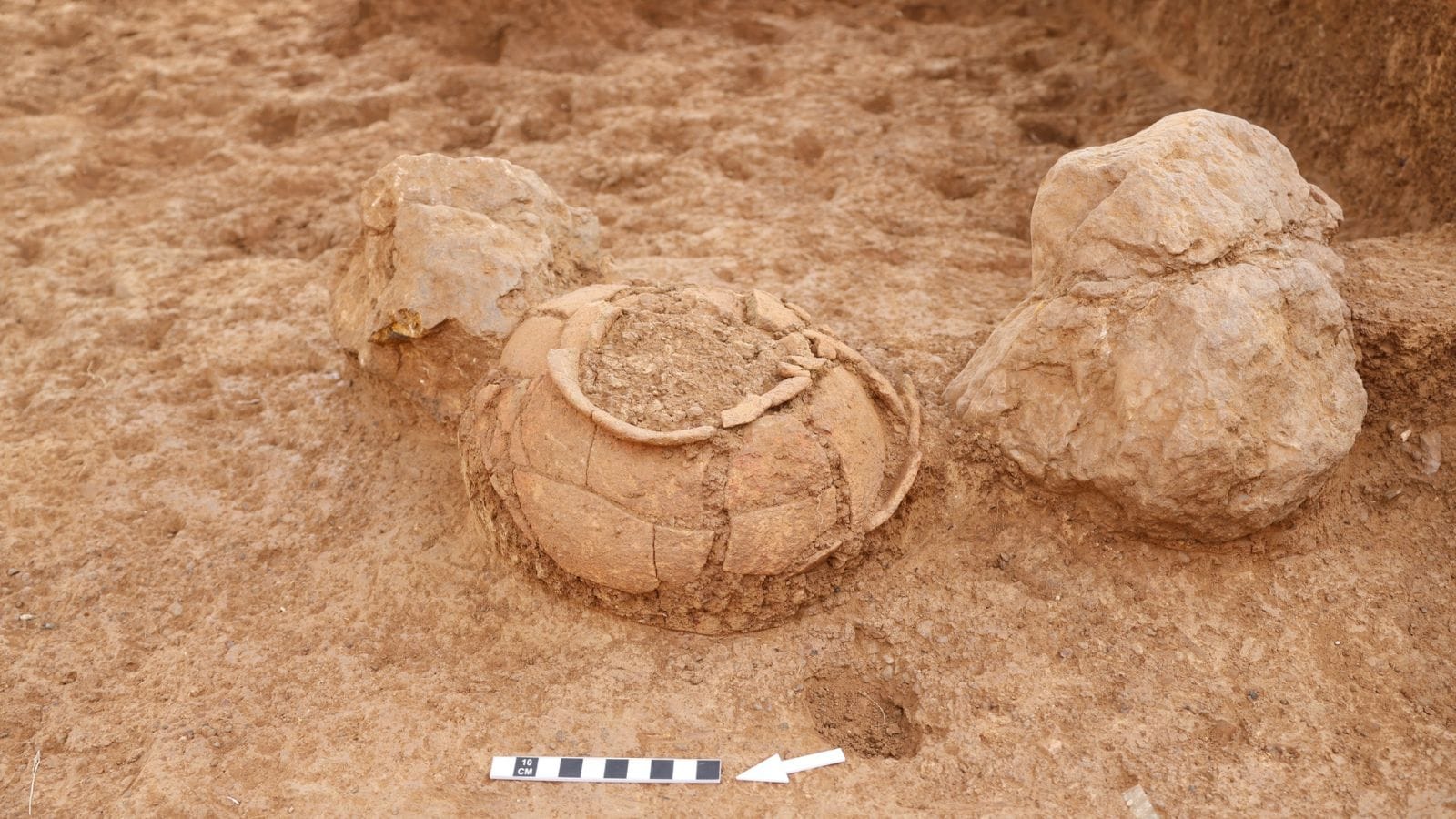 In one burial, nearly 50 pots were found arranged systematically, with larger bowls covered by inverted bowls. (Express photo)
So far, researchers have documented 69 megalithic burials using drone mapping and field surveys.
Of these, four have been selected for excavation, including two stone circles with menhir in periphery and boulders, and two with only boulder circles.
While skeletal remains have not yet been conclusively identified, excavations are ongoing.
Story continues below this ad
Significant artifacts have been recovered from one of the burials, including copper objects such as a necklace, iron implements like axes, chisels, ladles and arrowheads, semi-precious stone beads, notably etched carnelian beads, and a gold earring. Fragmentary bone remains have also been recovered alongside these finds.
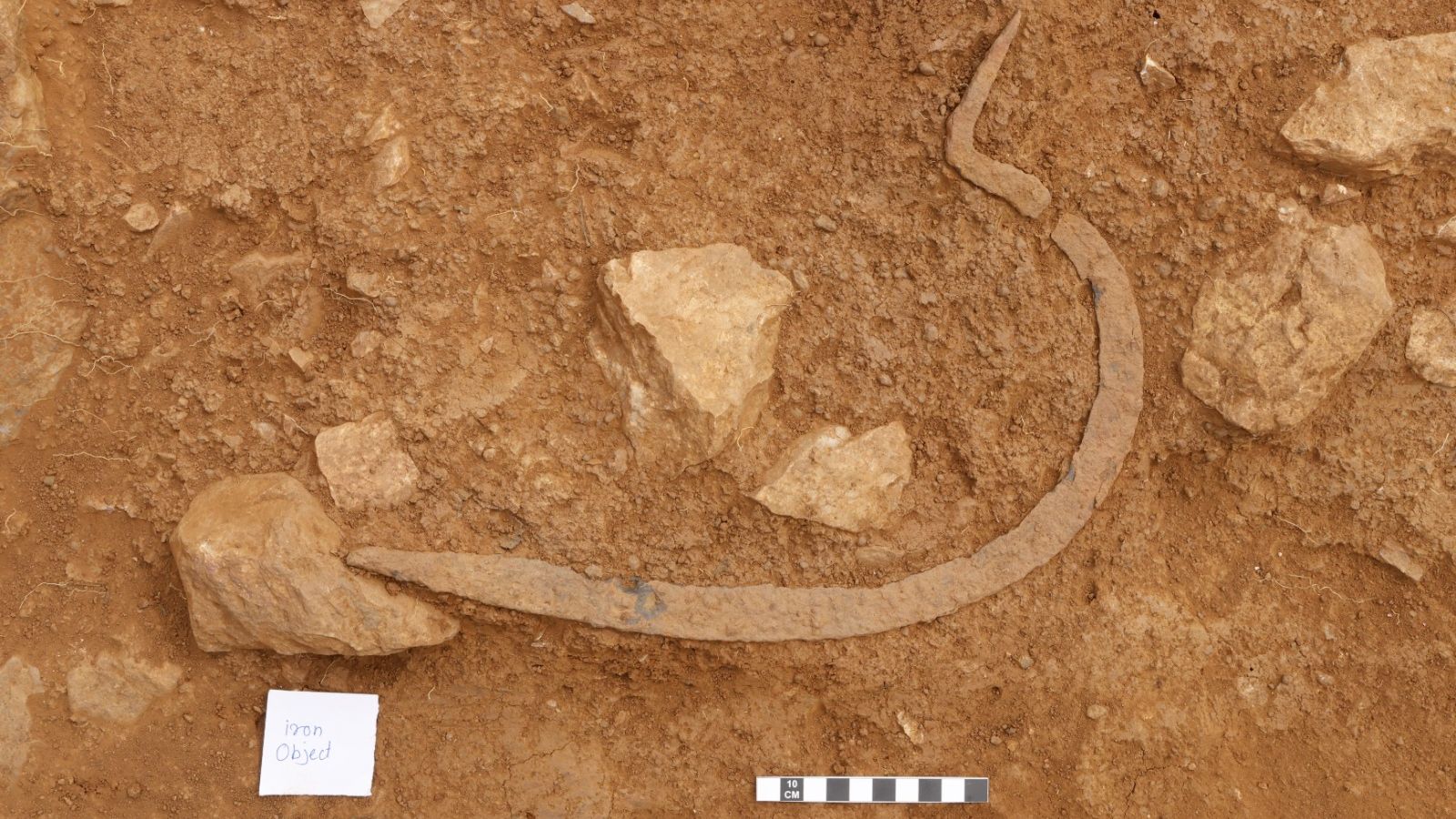 While skeletal remains have not yet been conclusively identified, excavations are ongoing. (Express photo)
One of the most striking discoveries is a unique cluster of pottery, not previously reported in the Vidarbha region. In one burial, nearly 50 pots were found arranged systematically, with larger bowls covered by inverted bowls.
At least 23 such pairs – amounting to 46 pots – were documented in a single cluster, along with additional red and black-and-red ware pots and associated iron objects.
Sahu noted another peculiar feature: almost all pots, including larger vessels, were placed in an inverted position, with one pot covered by another from above.
Story continues below this ad
“None of the pots were found upright. It appears they were deliberately placed upside down within the burial context,” he said. The exact reason for this arrangement is yet to be established and will be studied further.
Archaeologists believe the pots may have originally contained food, grains or liquids as part of burial offerings. Samples have been collected for residual and chemical analysis to determine their contents.
The pots were carefully placed over a layer of black cotton soil laid above the natural lateritic (murum) base.
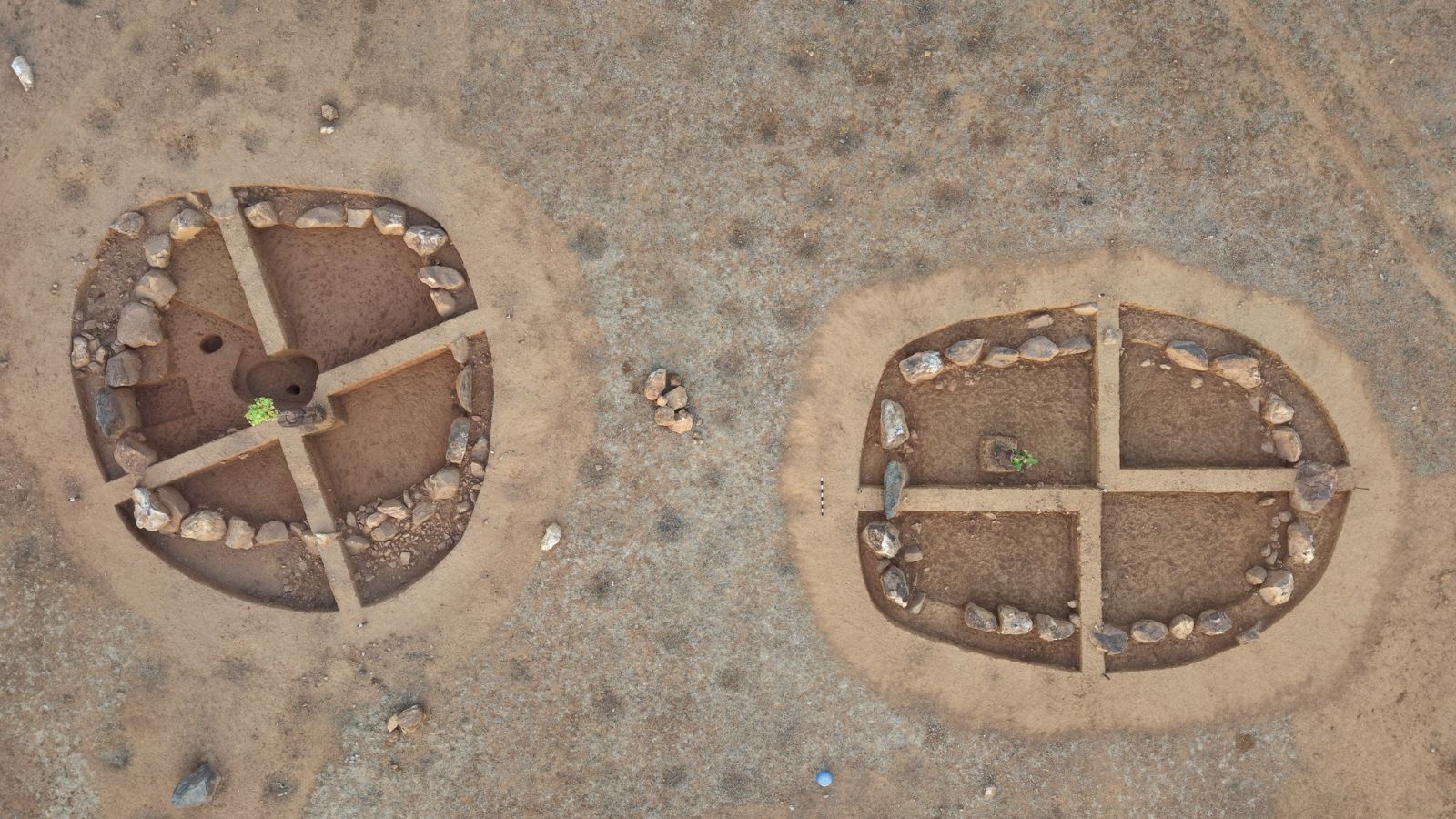 According to archaeologist Dr Prabash Sahu, the site was selected for three reasons, including its unique burial pattern. (Express photo)
The sticky nature of this soil helped stabilise the vessels, keeping them largely in position despite breakage caused by the weight of overlying soil.
Story continues below this ad
Explaining burial practices, Sahu said such structures were prepared by digging pits where skeletal remains, if present, were placed along with “grave goods” – objects associated with the deceased, reflecting beliefs in life after death.
In another significant find, charcoal remains discovered at the site are expected to help determine its age through Accelerator Mass Spectrometry (AMS) dating. Preliminary observations suggest the site could be at least 2,500 years old.
The excavation, which began on March 10, is nearing its final stages but continues to yield new evidence. While most students have left due to upcoming examinations, three PhD scholars remain on site, handling different burial trenches and artefact recovery. The site will be closed once excavation and documentation are complete, Sahu said.
Archaeologists believe the findings at Virli Khandar could significantly contribute to understanding megalithic cultures in the region and their broader cultural practices.

 20
20 584226
 20
20
 20
20