Nagpur’s new waste facility to make it garbage-free, says Fadnavis
CM Devendra Fadnavis said India’s first Integrated Municipal Solid Waste Processing Facility in Bhandewadi will make Nagpur garbage-free. The plant will process 1,200 tonnes of waste daily to generate biogas and other resources.
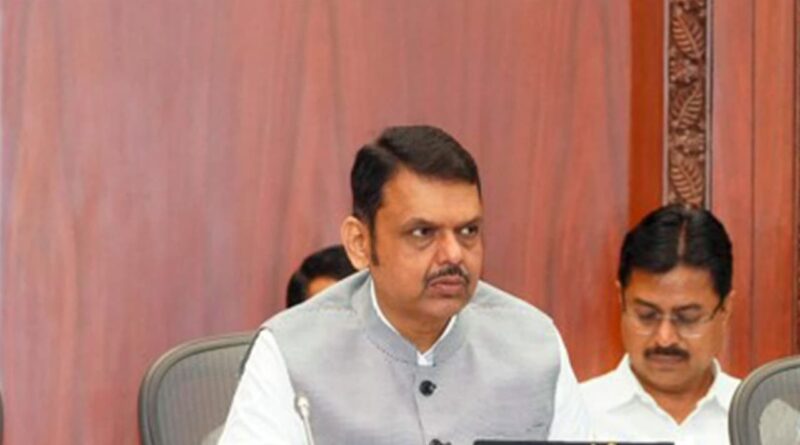
Maharashtra Chief Minister Devendra Fadnavis on Friday said that the country’s first Integrated Municipal Solid Waste Processing Facility being developed at Bhandewadi will help transform Nagpur into a garbage-free city through modern waste management and green energy production.

India’s First Integrated Waste Facility
The project, being developed by the Kewa Sus Bade Group through private investment, will process around 1,200 metric tonnes of municipal waste per day and generate approximately 28 tonnes of biogas daily.
Fadnavis inspected the facility at Bhandewadi and reviewed the progress of the project. The Chief Minister stated that the project is being executed in three phases and is expected to become fully operational by August.
Wet and dry waste collected from across the city will be scientifically processed to produce biogas, compost fertiliser, and fuel pellets from dry waste.
A Model for Sustainable Development
Describing it as the first project of its kind in India, CM Fadnavis said the Nagpur Municipal Corporation has provided 30 acres of land for the facility. The civic body will also receive an annual royalty of Rs 15 lakh from the sale of gas generated through the project.
The integrated waste processing centre is expected to play a key role in eliminating landfill dependency and establishing Nagpur as a national model for solid waste management. The project is designed to be environmentally sustainable and will significantly reduce the city’s waste disposal burden.
Biogas generated from the facility will be used to supply green energy in the form of CNG for nearly 198 city buses.
Since the project is being implemented under a public-private partnership model, it will not impose any financial burden on the municipal corporation while helping save daily waste management expenses associated with handling around 1,300 metric tonnes of garbage.
The facility will also produce high-quality compost fertiliser and energy pellets for industrial use, creating a complete waste-to-resource ecosystem.
Fadnavis expressed confidence that the project would emerge as a national benchmark in sustainable waste management and environmental conservation. (ANI)
(Except for the headline, this story has not been edited by Asianet Newsable English staff and is published from a syndicated feed.)
 20
20 584226
 20
20
 20
20