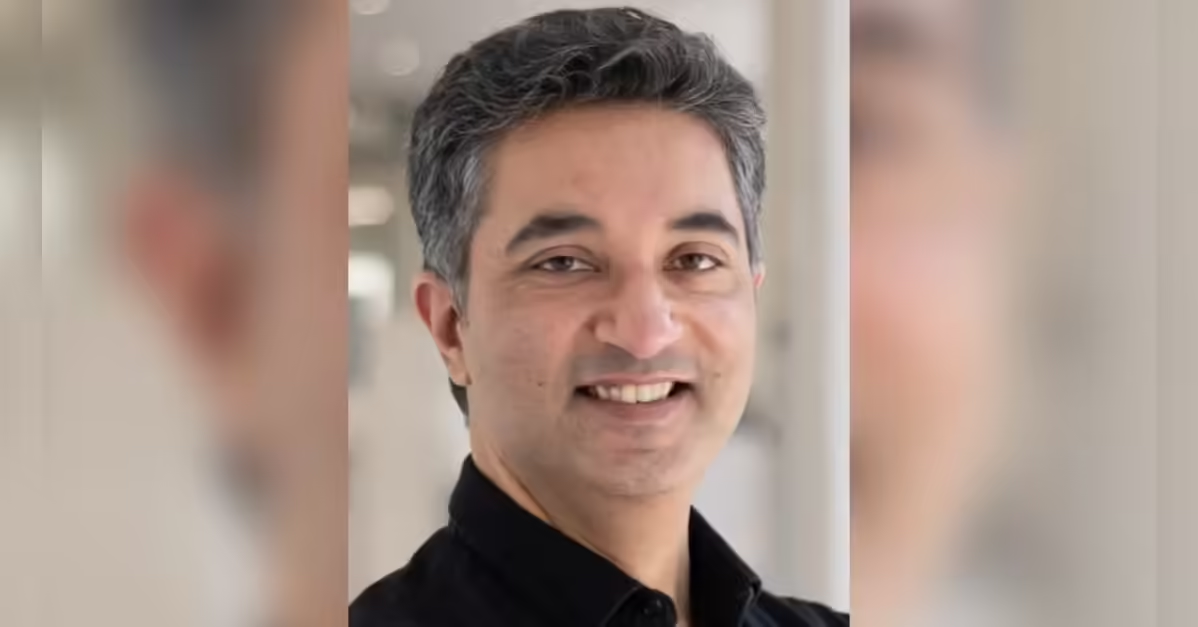
“Healthcare Isn’t Expensive, Hospital Business Models Make It Expensive”: Varun Dubey, ETHealthworld
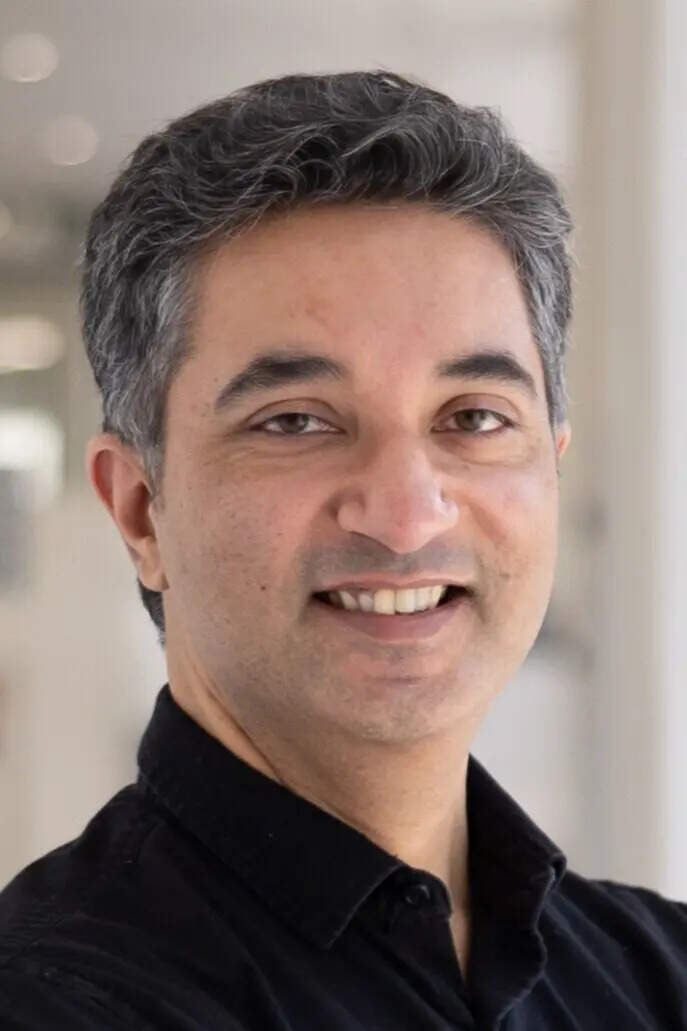
New Delhi: India’s private hospital sector is widely credited with transforming access to advanced medical care, but questions around pricing transparency and operational incentives are increasingly coming under scrutiny. Varun Dubey, Founder and CEO, SuperHealth, believes the problem lies less in medical complexity and more in the design of hospital business models. He says that while clinical outcomes have improved significantly over the past three decades, the financial experience of patients often remains unpredictable, with hospital bills varying widely even for similar procedures.
“I think we have to take a step back. If you look around the world, consistently in pretty much all countries, people are not happy with their healthcare providers,” Dubey said, adding that the underlying challenge is the high cost of healthcare delivery.
According to him, the problems manifest differently depending on who is paying for healthcare. “In the US market, a large part of healthcare spend is private insurance. Because costs are high, premiums are high, exclusions are high. We’ve already seen the whole ‘deny, deny, deny’ controversy,” he said.
In contrast, publicly funded systems such as the UK’s National Health Service face a different constraint.“There is only so much money that the government can spend. So you end up with limited infrastructure, and people are waiting many months even to get an MRI,” he said.
India, however, operates under a different healthcare structure. “We are not a payer-driven system. We are a consumer and provider-driven system,” Dubey said.
Noting that India’s demographic profile also differs significantly from Western markets, he said, “Our median age is around 28 years, while in the West it is in the late 40s or 50s. The diseases of a 28-year-old are very different from the diseases of a 50-year-old, and yet for the most part our healthcare systems have been designed by copying the West over the last 30 to 40 years.”
Urban infrastructure also plays a role in shaping healthcare delivery, he added.
“If you look at the West, you have low-density cities where a few big destination hospitals are enough because people can travel quickly. Indian cities are very large and extremely dense. Consumers are not willing to travel long distances for care, so they want healthcare providers close to where they live,” Dubey said.
But the bigger issue, he argues, lies in how hospital economics operate. “Today there is a lot of opaqueness and a lot of financial incentives driving healthcare. That puts pressure on both clinicians and patients, and that is what leads to the lack of transparency,” he said.
When asked whether the unpredictable nature of medical treatment makes transparent pricing difficult for hospitals, Dubey pushed back on the argument, saying the variability in healthcare costs is often overstated.
“I don’t agree that hospital costs fluctuate as much as people would like you to believe. Maybe five per cent of cases vary significantly. It certainly isn’t fifty per cent,” he said.
According to him, hospitals performing the same procedures repeatedly should have a reasonable understanding of costs. “If you are doing a procedure ten times a day and have been doing it for twenty years, how do you not know what it is likely to cost?” he asked.
He also questioned certain common pricing structures in private hospitals. “For example, if you open a typical hospital bill, you might see that the operation theatre charges are equal to the surgeon’s fee. What is the logic of that?” he said.
Illustrating the point with a hypothetical example, Dubey said, “If a surgeon with five years of experience charges Rs.50,000, the OT fee also becomes Rs.50,000. If a surgeon with 25 years of experience charges Rs.1.5 lakh, suddenly the OT charges also become Rs.1.5 lakh even though a more experienced surgeon might actually finish the surgery faster.”
Such pricing structures, he argued, create the perception that healthcare costs are inherently unpredictable. “A lot of this creates the appearance that everything in healthcare is vague. It’s not. The reality is that there are commercial constructs in the system that benefit from variability,” Dubey said.
Another structural issue, he added, is the supply gap in India’s healthcare infrastructure. “We are three million beds short in this country. We need about four million beds but have roughly one million,” he said.
As healthcare is a non-optional expense, patients often proceed with treatment even when pricing clarity is lacking. “If someone needs surgery, they will still go ahead even if they have to wait three hours or if the estimate they receive may not match the final bill,” Dubey said.
Emphasising that patients are not unaware of these dynamics, he said, “Patients know what is going on. But they have no choice.”
Dubey also rejected the idea that unpredictable medical outcomes automatically justify unpredictable billing.
“Medical outcomes are different from medical inputs,” he said. “No one can guarantee the outcome, but what you are going to do to achieve that outcome is finite.”
Speaking about Superhealth, Dubey said the company is attempting to address some of these structural inefficiencies by redesigning the care delivery model itself. According to him, one of the biggest frustrations for patients in traditional hospital settings is the long and often unpredictable waiting time for consultations, diagnostics and procedures.
“One of the biggest pain points in healthcare today is waiting. Patients wait for appointments, wait for diagnostics, wait for doctors and wait for procedures. Much of this waiting is not because of medical complexity but because of how hospital systems are organized,” Dubey said.
Elucidating about ‘zero wait time’ model that attempts to streamline scheduling and operational workflows so that patients can access consultations and procedures without prolonged delays, he said, “If systems are designed differently, you can eliminate a large part of the waiting that patients currently experience. Healthcare delivery should be predictable; patients should know when they will be seen, how long it will take and what it will cost.”
According to Dubey, improving operational efficiency can simultaneously improve patient experience and cost transparency, something that traditional hospital models have struggled to achieve.
The debate around pricing transparency comes at a time when India’s healthcare demand is rising rapidly due to urbanization, lifestyle diseases and growing expectations from patients.
Watch here:

 20
20 584226
 20
20
 20
20