For years, a village walked 3 km for water. An Express report changed that | Mumbai News
“We have become so habituated to fetching water since we were little girls that now it feels abnormal not to go.”
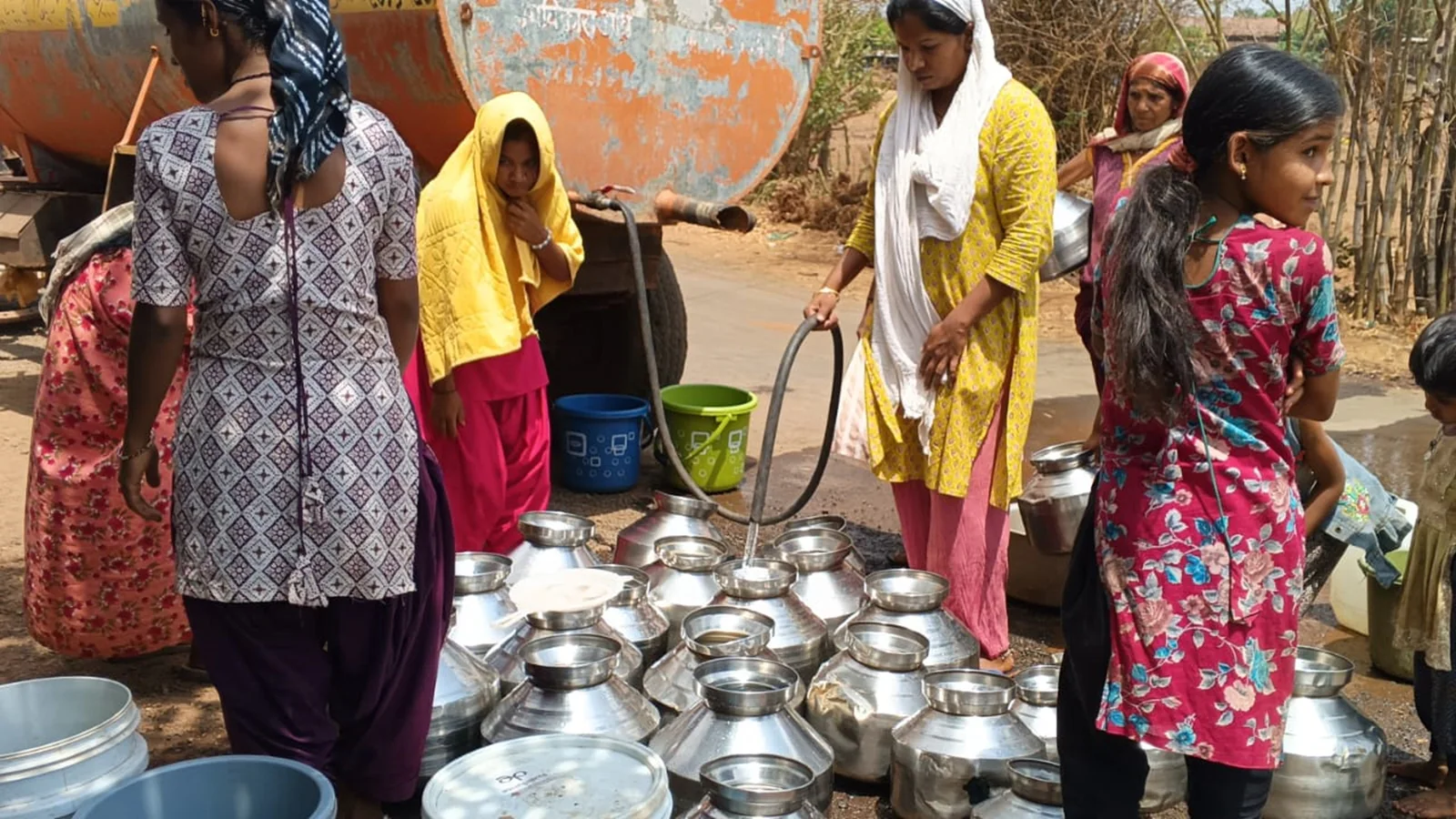
Bajubai Dhoma Vadvi, 40, lives in Vadvi Pada, a rocky hillside hamlet in Nandurbar’s Khadkapani village, where girls and women have routinely carried 7 to10 kg steel pots of water on their heads while walking nearly three kilometres one way every day. For the past five days, a water tanker has been arriving in the hamlet between 9 am and 10 am, sparing women that daily trek.
The tankers are here because of a report.
District Collector Mittali Sethi confirmed that the intervention followed discussions between the Union Ministry of Jal Shakti and the state government after The Indian Express’ report came to the attention of the Centre. “Following the news report, a team from the Ministry of Jal Shakti held discussions with the state government last week to assess the situation and explore immediate measures that could be taken to address the water crisis. We are also preparing a presentation to submit to the state government as part of our proposal for long-term water security interventions in the district,” she said.
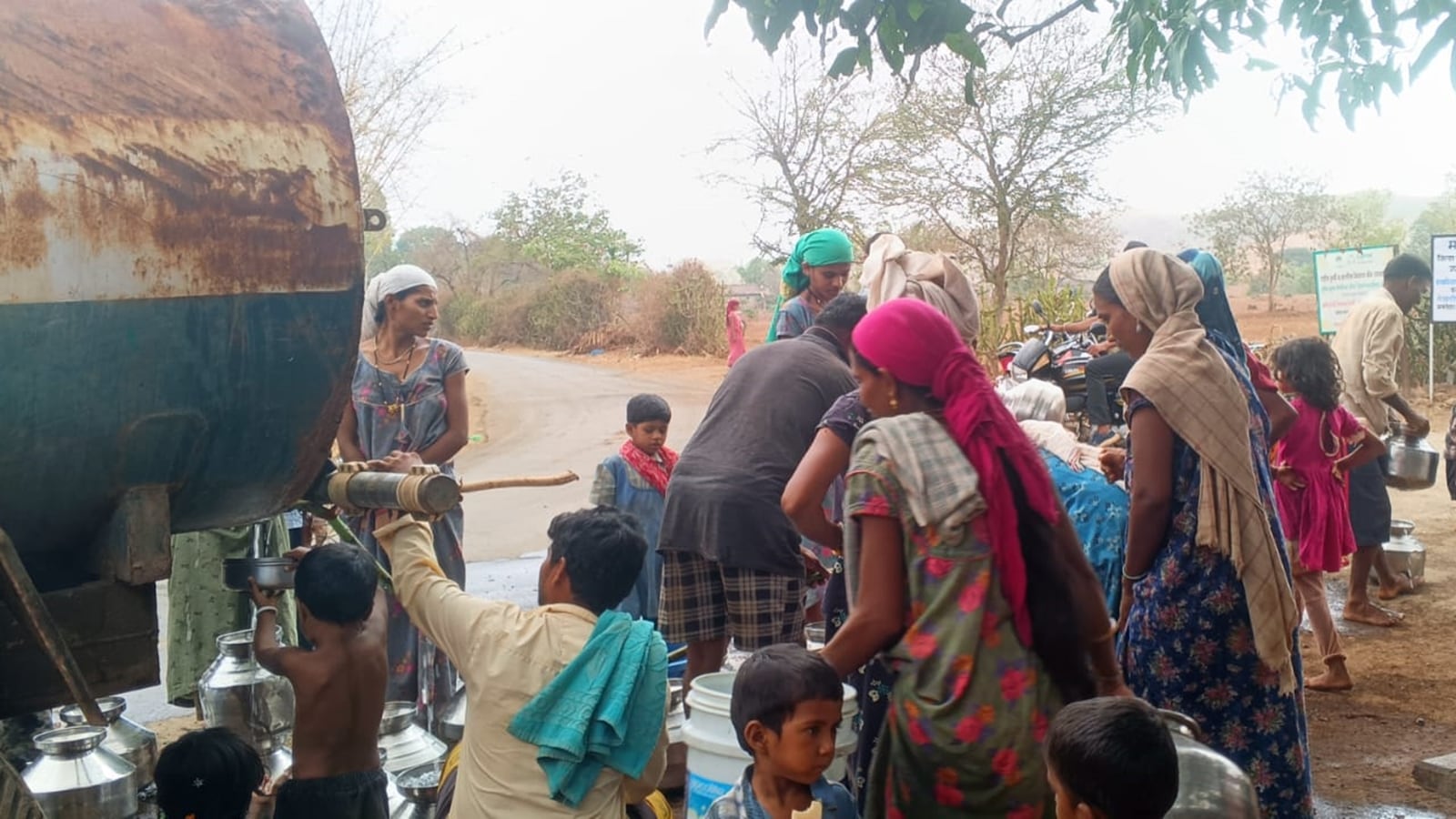 District Collector Mittali Sethi confirmed that the intervention followed discussions between the Union Ministry of Jal Shakti and the state government after The Indian Express’ report came to the attention of the Centre. (Photo: Special arrangement)
“We cannot express in words how unreal it feels that water is coming to us. For the last four days, we have not had to make that journey. We hope this blessing continues forever,” Bajubai told this newspaper.
The June 2 report, Long walk for water: How scarcity is breaking women in Maharashtra’s tribal belt, had documented what these women had lived with for years — doctors linking the burden of repeatedly carrying heavy water pots over difficult terrain to reproductive health complications including uterine prolapse, miscarriages, chronic musculoskeletal pain and a range of gynaecological problems.
Women in Vadvi Pada said officials visited the hamlet after the report was published, enquired about their health concerns and inspected the route used to fetch water.
Story continues below this ad
For many, the arrival of the tanker has felt like long-overdue recognition of a problem ignored for decades. “This feels like a dream,” said Jethubai Joma Valvi, 48. “Seeing the water tanker in our village for the last four days feels like God has arrived to pull us out of misery.”
Khadkapani sarpanch Tinkabai Ishwar said the tanker supply, while welcome, is not yet enough. “Khadkapani has three padas — Vadvi Pada, Patil Pada and Padvi Pada. At present, one or two tankers are serving the village, but that is not sufficient for all three padas. We have requested three tankers, one for each pada. We have also sought a piped water connection, and we are expecting a borewell to be constructed soon. These are early steps, but they give us hope that a long-term solution may finally be found,” she said.
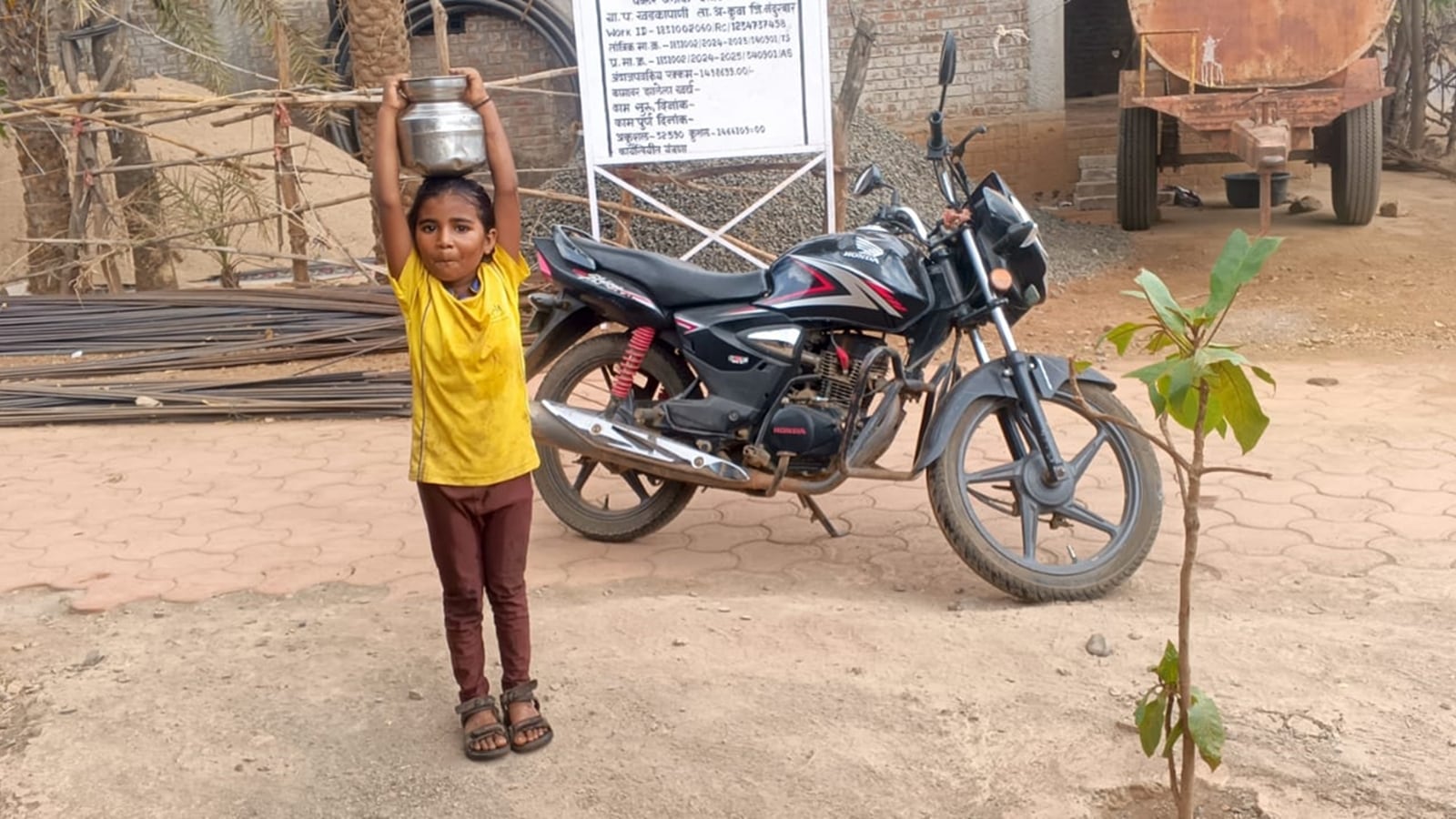 Women in Vadvi Pada said officials visited the hamlet after the report was published, enquired about their health concerns and inspected the route used to fetch water. (Photo: Special arrangement)
Residents echoed that concern. The tanker generally stays for about 30 minutes and does not provide enough water for all families. There are also questions about water quality. “The water is helpful, but it is not enough for everyone. The water comes from borewells. We strain it before drinking. We need separate potable water for drinking and separate water for bathing and household chores,” said Mamta.
Nirmala Vasave, a social activist who has worked with tribal communities in Nandurbar for over two decades, said tanker supply must be treated as only an interim measure. “The water being supplied comes from a borewell and is not fully potable. We need filtered drinking water and a separate water source for domestic use. We have submitted several suggestions to district and state authorities over the years, including construction of small check dams, rainwater harvesting systems and groundwater recharge projects, but little has materialised,” she said.
Story continues below this ad
The administration said it is working on longer-term interventions simultaneously. Under Mission Jal Bandhu, groundwater conservation works are being implemented in water-scarce villages and water bodies are being desilted ahead of the monsoon. Large water storage drums are being distributed in villages where piped water connectivity may take longer. Work on improving approach roads is expected to begin this year, and the district has prepared a saturation plan for road connectivity submitted to the Tribal Development Department. “We cannot claim the problem has been solved because it has existed for decades, but we are trying multiple interventions simultaneously,” Sethi said.
According to the district administration, government tankers are now supplying water to four hamlets in Akkalkuwa taluka, including Khadkapani, Molgi, Chhote Udepur and Pimpalkhuta, and nine hamlets in Dhadgaon taluka, including Bilgaon, Sawayadigar, Sindidigar, Padli, Gorya, Radikalam, Kakarde, Nave Toranmal and Pimpalbari.
“For all these years, nobody listened to our concerns. I am happy that little girls may not have to suffer the pain we have gone through all our lives. I hope they do not face miscarriages, uterine prolapse or other health problems that affected us,” said Leelabai Deola, 62.
 20
20 584226
 20
20
 20
20