India’s National Registry for Implantable Medical Devices to Enhance Patient Safety, ETHealthworld
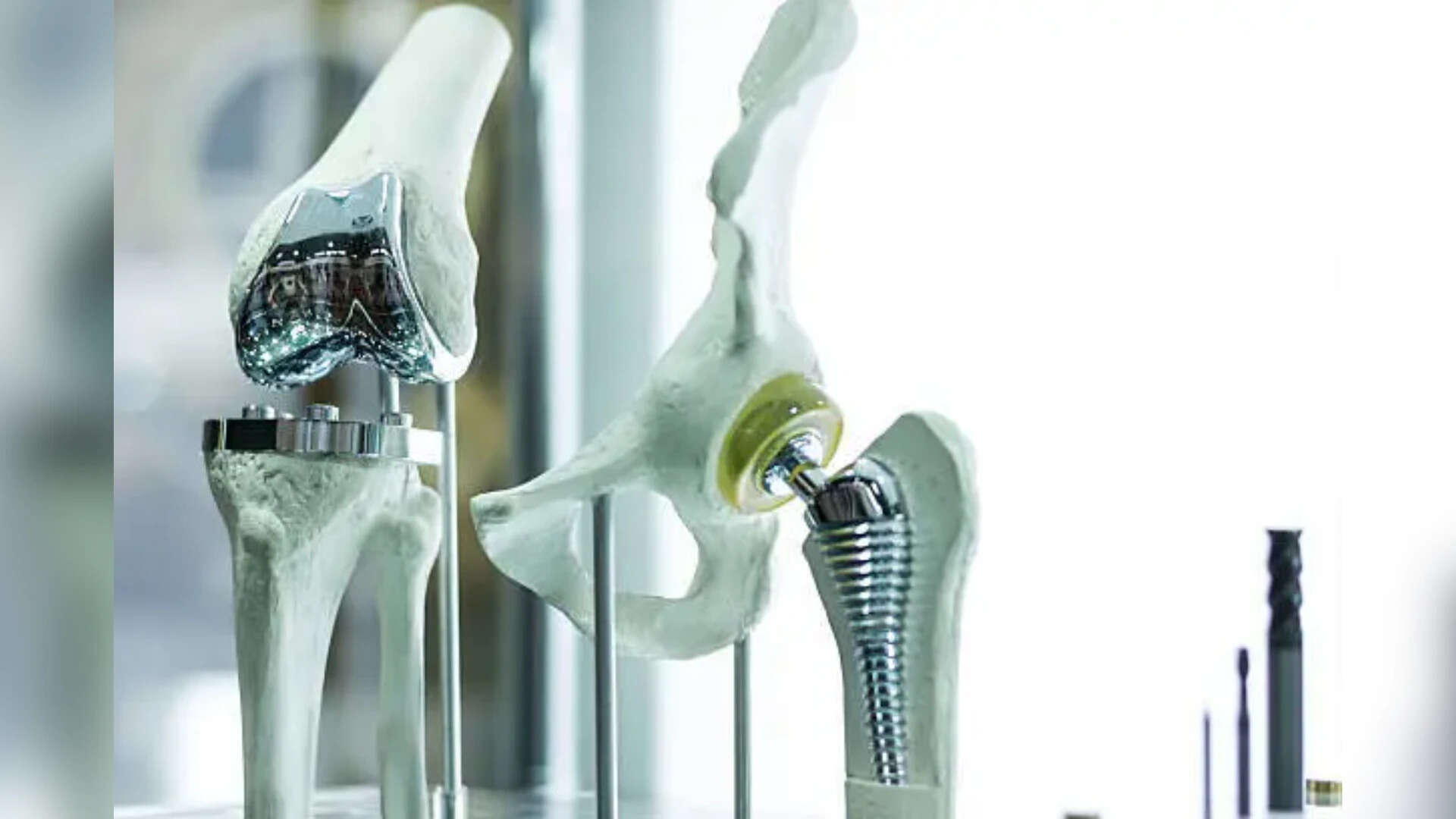
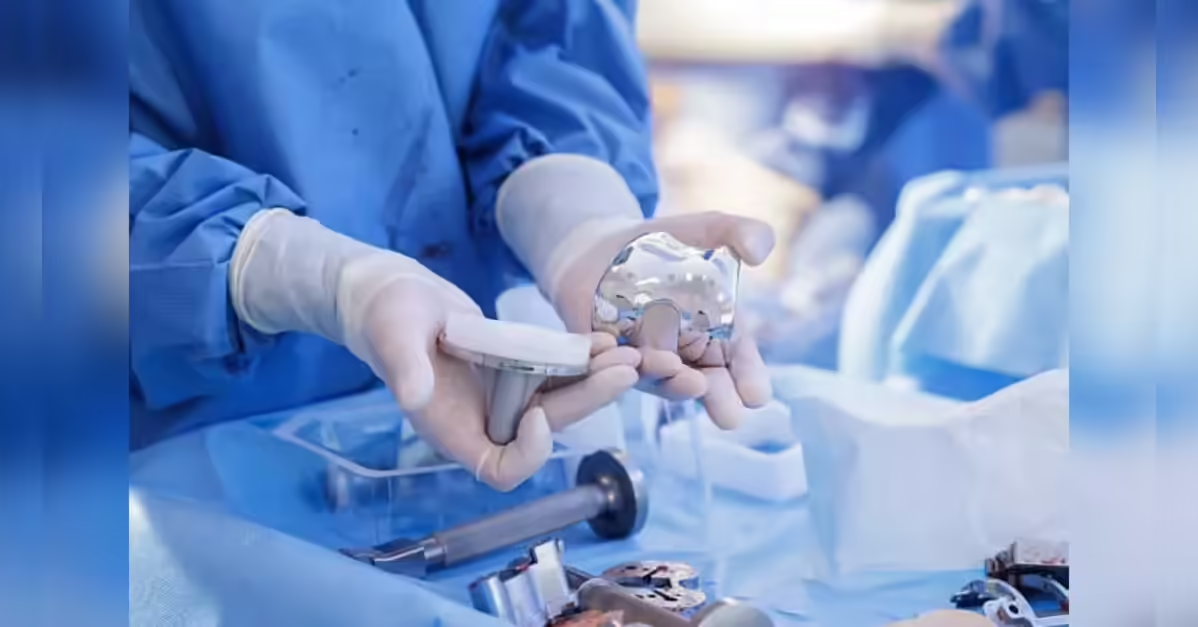
India plans to tighten oversight of implantable medical devices by creating a national registry to track products and patients, a move aimed at curbing overuse, fixing accountability and ensuring only certified devices are used.
“The proposal is being considered at the highest level and an announcement is expected soon,” a senior government official told ET.
According to the official, registry data will help guide policy measures and improve procurement at the national level for government-run schemes with clear distinction between quality vis-a-vis low-cost devices. It will help check cheap and low-quality imports from neighbouring countries, the official added. India’s medical devices sector is projected to grow to $50 billion by 2030.
It is currently at $15 billion, as per industry estimates. More than a million high-risk implants are currently used in India annually, including cardiac stents, orthopaedic joints, pacemakers and spinal devices.
The plan is to mandate maintenance of data records for all cardiac and orthopaedic implants in the first phase at the manufacturer, supplier and hospital levels. This will be expanded in phases to cover all devices.
“India implants lakhs of devices every year but can’t trace them. A National Implant Registry will help find patients in a recall, track real-world safety and build Indian evidence,” said Rajiv Nath, forum coordinator of the Association of Indian Medical Devices Industry.
The association is of the view that the registry will enable rapid identification of patients during global device recalls or adverse events, and ensure end-toend accountability from the manufacturer to the patient.
India’s medical implant sector faces issues such as regulatory gaps, dependence on imports, high costs and lack of specialised oversight. Efforts are being made to regulate the sector, including through introduction of the National Medical Devices Policy in 2023.
While cardiac stents top the list of medical devices associated with adverse events, there have been instances of faulty implants in the knee and spinal devices.

 20
20 584226
 20
20
 20
20