
India’s Weight-Loss Solutions Risk Muscle Loss, Orthopaedic Experts Warn, ETHealthworld
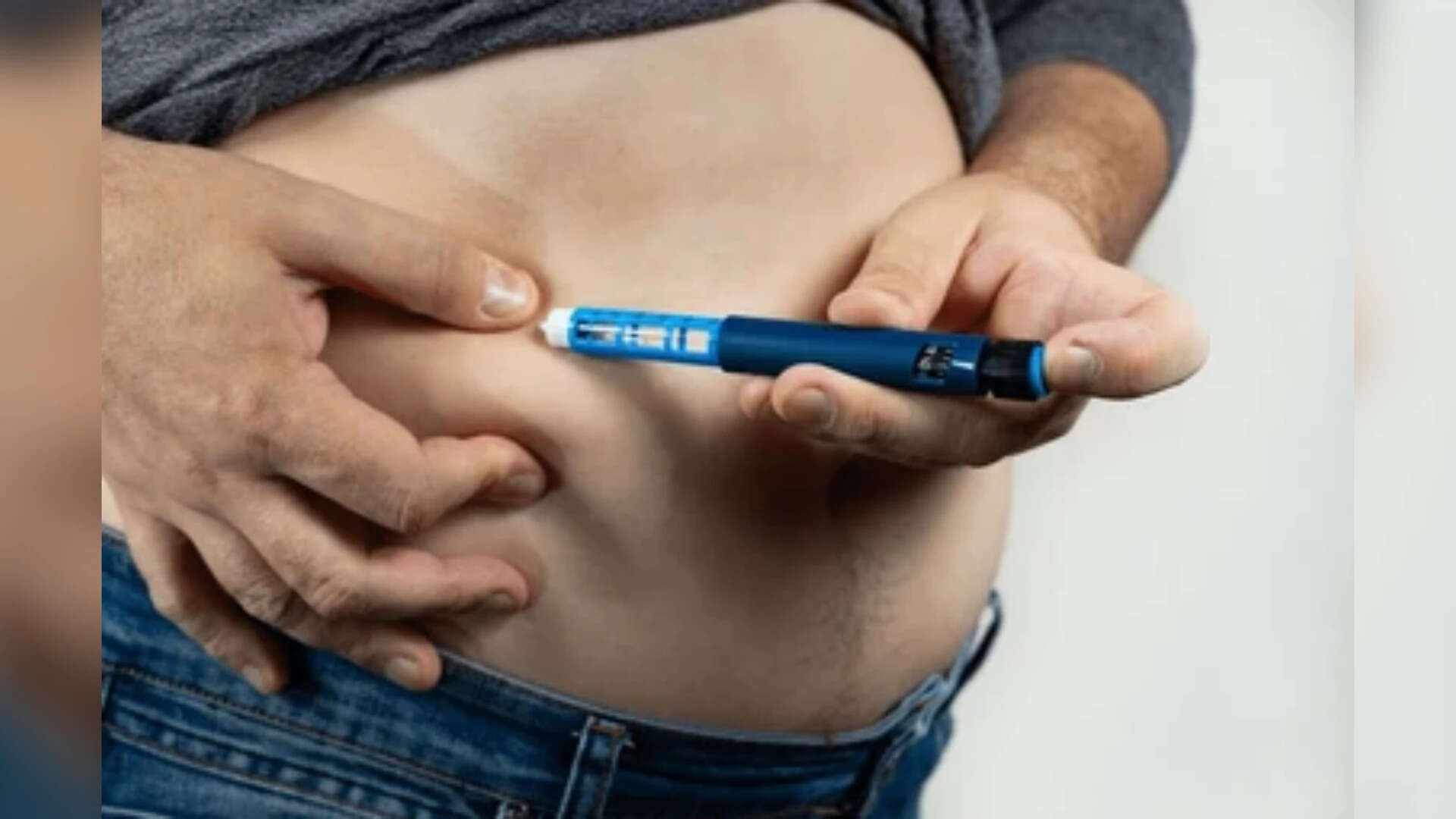
New Delhi: India’s rising adoption of rapid weight-loss solutions, including anti-obesity medications and aggressive dieting practices, is prompting fresh concern among orthopaedic specialists. They warn that the race to lose weight may be quietly eroding muscle mass and putting long-term joint health at risk.
Doctors say that while GLP-1 class medications, widely used to manage blood sugar levels and increasingly prescribed for obesity, help people lose weight faster than ever, emerging evidence suggests a substantial share of this weight loss may come from lean muscle mass rather than fat.
Several studies indicate that 15–40 per cent of the total weight lost through such therapies may be due to lean body mass, with overall weight reduction ranging between 5 and 18 per cent within a relatively short duration. Experts warn that when weight loss occurs too rapidly, particularly without adequate nutrition or exercise, muscle depletion can accelerate.
From an orthopaedic perspective, muscle plays a crucial role in maintaining joint stability, posture, and overall functional strength.
Dr Simon Thomas, Senior Director, Robotic Joint Replacements & Orthopaedics at Max Super Speciality Hospital, informed rapid weight loss without adequate focus on muscle preservation is becoming an increasing clinical concern.
“Rapid weight loss without adequate focus on muscle preservation is a growing concern. Muscle plays a critical role in supporting joints and ensuring balanced movement, and when patients lose muscle mass, the load on joints increases significantly, accelerating wear and tear and leading to early joint degeneration and chronic pain. We are increasingly seeing patients, even in younger age groups, presenting with joint discomfort, reduced strength, and early signs of cartilage damage, often linked to aggressive weight-loss practices that do not incorporate adequate nutrition or strength training,” Dr.Thomas said.
Echoing similar concerns, Dr Arvind Mehra, Senior Director and Head of Orthopaedics at Paras Health, highlighted the broader functional implications of muscle loss.
“Weight loss achieved without preserving muscle mass can significantly compromise functional health. Muscle is not just important for movement but also for metabolic stability and injury prevention. When patients lose muscle, they often experience reduced endurance, poor balance, and a higher risk of falls and stress injuries, especially as they age,” Dr.Mehra said.
Medical practitioners say muscle loss can have wide-ranging consequences for the musculoskeletal system. Reduced muscle strength can weaken joint support structures and increase the likelihood of ligament injuries, tendon strain, reduced bone density, and impaired mobility. Over time, this may contribute to Osteoarthritis and other functional limitations.
Experts are also highlighting the risk of rebound weight gain associated with certain weight-loss drugs. Since many therapies primarily work by suppressing appetite rather than fundamentally improving metabolic health, discontinuation can often lead to rapid weight regain, frequently with a higher proportion of fat compared to muscle. This cycle of fluctuating weight may further worsen body composition and metabolic health.
Doctors stress that sustainable weight management should focus not merely on reducing body weight but on improving body composition — ensuring that fat loss occurs while muscle mass is preserved.
This requires a combination of adequate protein intake, resistance or strength training, and medically supervised treatment plans to protect lean muscle during weight-loss interventions.
As India continues to grapple with rising obesity levels and increasingly sedentary lifestyles, healthcare professionals say individuals must move beyond quick fixes and adopt balanced, evidence-based strategies that prioritise long-term health over rapid results.

 20
20 584226
 20
20
 20
20