Maharashtra has a law against black magic. Twelve years on, the rules to enforce it are still not written | Mumbai News
Long before Nashik-based godman Ashok Kharat came under the scanner, the Maharashtra Andhashraddha Nirmulan Samiti was among the first to flag concerns against him, even protesting a visit by then Chief Minister Eknath Shinde to his temple in 2022, warning that such endorsement could legitimise superstition. Founded by rationalist Narendra Dabholkar, the organisation has since remained at the forefront of Maharashtra’s fight against black magic and exploitative practices, combining grassroots interventions with sustained advocacy for scientific temper.
Since the Kharat scandal broke in Maharashtra, the organisation claims that its helpline is flooded with cases, activists however say support from the state in strengthening enforcement of the anti-superstition law remains lacking. The organisation is now seeking state intervention in expediting the framing of detailed rules under the Maharashtra Prevention and Eradication of Human Sacrifice and other Inhuman, Evil and Aghori Practices and Black Magic Act, 2013, which has been pending since its enactment in 2013. Activists point out that while the law broadly criminalises practices related to black magic and exploitation of superstitious beliefs, the absence of operational guidelines on procedures and implementation has left police personnel unsure of how to proceed in many cases, affecting on-ground enforcement.

Maharashtra was one of the first states to bring in the Anti-Black Magic Act in 2013, which was passed by the state government four days after Narendra Dabholkar was gunned down in broad daylight by alleged right wing activists. Over the decades, organisations like the Maharashtra Andhashraddha Nirmulan Samiti and the Akhil Bharatiya Andhashraddha Nirmoolan Samiti (ANiS) have carried forward Maharashtra’s legacy of rationalist thought and scientific temper. The tradition traces back to reformist voices ranging from the abhangs of 17th century saint Tukaram to thinkers like Jyotirao Phule, Gopal Ganesh Agarkar and Prabodhankar Thackeray.
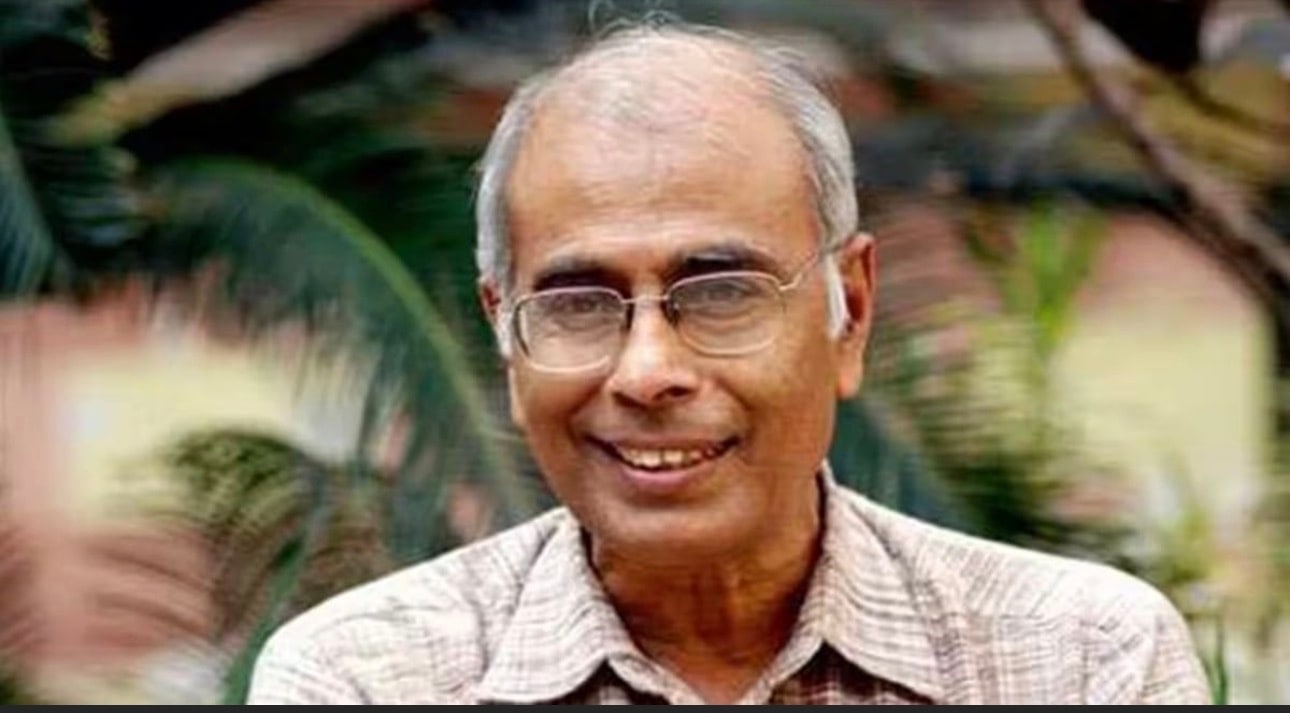 Founded by rationalist Narendra Dabholkar, the organisation has since remained at the forefront of Maharashtra’s fight against black magic and exploitative practices, combining grassroots interventions with sustained advocacy for scientific temper.
The Maharashtra Prevention and Eradication of Human Sacrifice and other Inhuman, Evil and Aghori Practices and Black Magic Act, 2013 comprises 12 sections that lay down the scope of offences and the powers the police have to act against them. It criminalises practices such as human sacrifice, black magic rituals, and claims of supernatural cures that exploit people’s beliefs. Offences under the Act are punishable with imprisonment ranging from six months to seven years, along with fines between ₹5,000 and ₹50,000.
Even after a law is enacted, it requires detailed rules, procedures and operational guidelines from the executive to translate its broad principles into day to day enforcement. This has not happened in the context of the anti-superstition law. In absence of these, implementing agencies such as the police are often left without clear direction on how to act on the ground.
“We have requested the government to expedite the framing of rules for Maharashtra’s anti-black magic act which has been pending since 2013,” said Hamid, son of Narendra Dabholkar, associated with ANiS.
On why the rules have not been framed, senior IPS officials said that it is under process. “It is true that not everyone in the force is well versed with the law and in the absence of framing of rules, they do now know how to proceed. Efforts are however underway to give them training regarding the same.” a senior IPS official said.
Story continues below this ad
While exact data on the number of cases filed under the law is not available with the state, the Maharashtra Andhashraddha Nirmulan Samiti claims that since its enactment, over 1,500 cases have been registered, with more than 10 reaching the judgment stage, most resulting in convictions.
Apart from financial fraud, a significant number of complaints received by the Maharashtra Andhashraddha Nirmulan Samiti and similar groups involve social ostracisation triggered by accusations of black magic within families. Activists say it is common for self-styled godmen to blame close relatives for alleged supernatural harm behind financial or health problems, leading to deep fractures within households.
Hamid Dabholkar said that earlier, complaints largely came from rural parts of Maharashtra, but the issue is now increasingly affecting urban areas as well. He added that cracking down on such practices in the present socio-political climate comes with its own challenges.
“Things have worsened due to mixing of religion and politics and any inquiry about these practices gets you branded as anti-religion or anti-national,” Dabholkar said.
How anti-superstition activists operate
Story continues below this ad
Last month, a video of a pregnant woman calmly cutting vegetables during a lunar eclipse went viral, challenging long-held taboos that restrict such activities for fear of harm to the unborn child. The video, which has garnered over eight lakh views, features an explanation debunking the myth and tracing its origins, underscoring the lack of any scientific basis.
The voice in the video is that of Rahul Thorat, a permanent member of the Maharashtra Andhashraddha Nirmulan Samiti, Sangli unit. Founded in 1989, the organisation now has 121 centres across 23 districts, with small volunteer-driven teams operating at the grassroots.
“Apart from awareness videos around events like a lunar eclipse, we also receive complaints. When any of our units gets a complaint, we verify it by sending our own people posing as clients seeking help. Once confirmed, we alert the police, who sometimes also come in plain clothes to verify,” Thorat said.
Beyond awareness, activists say a large number of cases they handle involve social fallout within families. Apart from financial loss, many complainants report being ostracised after a godman accuses a relative of practising black magic. “While recovering money is difficult, we often try to bring broken families back together. In most cases, a mother-in-law, sister-in-law or daughter-in-law is blamed for financial or health problems,” Thorat said.
Story continues below this ad
He recalled a case from Palghar where such accusations nearly turned fatal. A video showed an elderly man being forced to walk on fire after being branded a “witch” by villagers who believed he was responsible for a child’s illness. “Our team traced the case to an Adivasi village, intervened, took him to hospital and ensured an FIR was registered,” Thorat said.
Meanwhile, amid claims that police are not taking such cases seriously, activists like Shyam Manav of the Akhil Bharatiya Andhashraddha Nirmoolan Samiti have turned to YouTube to promote rationalist thought.
The rationalist, whose YouTube channel has over five lakh subscribers and around 2,000 videos, said, “Earlier I had given 10,000 lectures on these topics. Now when I am asked a question that I have answered previously, all I have to tell them is to watch the particular video.”
Part of the reason for adopting online platforms, he said, is the lack of enthusiasm from the police in acting on complaints. “Earlier, we had full cooperation from the police and our people would be constantly in touch with them. Things have, however, changed in the past eight to nine years. In my 44 years in this field, I have never seen such non-cooperation from authorities in Maharashtra. I was pleasantly surprised to see the action against Kharat,” Manav added
 20
20 584226
 20
20
 20
20