Can Shiv Sena (UBT) act against 6 MPs for skipping party meeting? Experts flag legal hurdles | Mumbai News
5 min readMumbaiUpdated: Jun 19, 2026 04:52 AM IST
Even as the Uddhav Thackeray-led Shiv Sena (UBT) prepares to issue show-cause notices to six Lok Sabha MPs who skipped Thursday’s parliamentary party meeting in Delhi amid the escalating “Operation Tiger” crisis, constitutional experts said the legal route available to the party may be far more complicated than a straightforward case of disciplinary action.
The immediate legal question, experts said, is whether the whip issued by Sena (UBT) for attendance at an internal parliamentary party meeting carries enforceability under the anti-defection framework, particularly if the rebel MPs have already initiated the process of forming a separate group and approached Lok Sabha Speaker Om Birla.

At Thursday’s parliamentary party meeting, only three MPs — Arvind Sawant, Anil Desai and Rajabhau Waje — attended, while six remained absent, fuelling speculation that a section of the parliamentary party is preparing to align with the Eknath Shinde-led Shiv Sena.
Soon after the meeting, Sena (UBT) parliamentary party leader Arvind Sawant said the party would issue show-cause notices to the six MPs, giving them seven days to explain their absence before further legal action.
Constitutional expert Anant Kalse said the legal position regarding such a whip remains unsettled. “A whip is unquestionably applicable on proceedings inside the House. But whether a whip applies to an internal parliamentary party meeting remains legally ambiguous. The issue of applicability of whip outside House proceedings is still pending before the Supreme Court,” Kalse said.
He said even the proposed showcause notices may have limited immediate effect if the MPs have already moved ahead with formal legal steps. “If these MPs have already formed a separate group and submitted a letter before the Speaker, then issuing notices now may not make much difference. Even if notices are issued, what happens if they simply do not respond and proceed ahead? In that case, Sena (UBT)’s immediate option would be to approach the Speaker, file a disqualification petition and then move court,” he said.
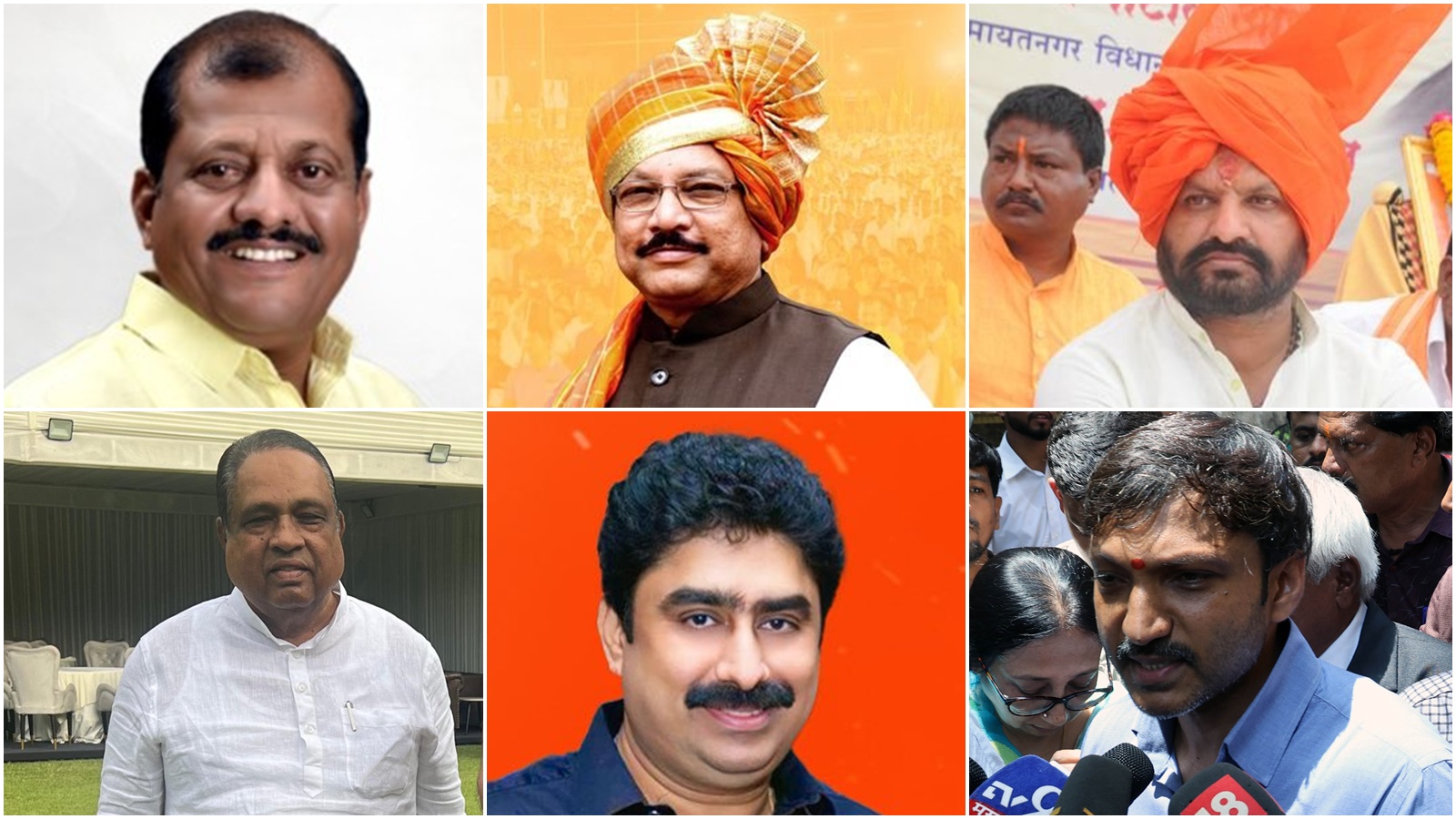 From left to right: Sanjay Jadhav, Sanjay Deshmukh, Nagesh Patil Ashtikar, Bhausaheb Wakchaure, Sanjay Dina Patil, and Omraje Nimbalkar. (Photos: X/Express)
Tracing the history of the anti-defection law, Kalse said the Tenth Schedule was introduced in 1985 to curb defections, while a 2003 amendment removed protection for a “split”, leaving only merger provisions. “After the 2003 amendment, only merger provisions remain. Merely MPs moving to another political party will not automatically become constitutionally sustainable. There has to be a vertical split- not just in the parliamentary party but also within the political organisation itself,” Kalse said.
Story continues below this ad
In the show-cause notice issued by Chief Whip Anil Desai, Sena (UBT) recorded that a whip had been issued on June 16 directing all MPs to attend the June 18 parliamentary party meeting in New Delhi. The notice states that “the said whip was duly received by you on your registered e-mail ID and WhatsApp”, creating a formal record of service.
Constitutional expert Ulhas Bapat said a party whip unquestionably applies during proceedings inside Parliament but its enforceability becomes legally uncertain when issued for meetings outside the House. “The whip is certainly applicable on the floor of the House. MPs are required to act according to party directions during proceedings, and if they violate that whip, disqualification proceedings can follow.
However, there is still legal ambiguity when we talk about a whip issued for internal party meetings held outside the House. If MPs fail to follow such a whip and do not attend a parliamentary party meeting, the party can certainly initiate action against them for defection or indiscipline. But whether that automatically sustains under the anti-defection law is still not fully settled.”
Bapat also said merger provisions under the Tenth Schedule apply to the political party and not merely to a group of MPs. “In this case, if there is to be a merger, Uddhav Thackeray as party leadership can take that decision with support of the required two-thirds strength. These six MPs by themselves cannot independently execute such a merger merely by forming a group.”

Stay updated with the latest – Click here to follow us on Instagram
 20
20 584226
 20
20
 20
20