20 high energy foods | Good Food
We all know that food gives us energy, and certain snacks can provide it particularly quickly! So if you’re a keen sportsperson or cramming for exams, is a strong coffee or a pack of Haribo the way to go?
Low energy from a late night is one thing, but if you feel like you’re typically running on empty, it could be that your diet needs an overhaul. Regularly eating sugary foods or consuming stimulants like caffeine can result in a rollercoaster of blood sugar spikes and crashes, and that’s bad news for both your physical and your mental performance.
So let’s take a look at whole, nutrient-rich foods that both naturally boost and maintain your energy levels, helping you feel more stable and energised for longer.
What is energy?
The energy we obtain from food and drink, and expend in our day-to-day activities, is measured in calories. The calorie is a unit of energy and represents the fuel we use for maintaining life, including breathing, moving muscles and circulating blood. The term ‘calorie’ is shorthand for kilocalorie, although you may also see the term kilojoules (kJ) used – this is the metric measure of a calorie.
Discover how to eat for more energy and find plenty more ideas of what to eat for more energy.
High-energy foods that are healthy
1. Sweet potatoes

Edible roots like sweet potatoes are naturally rich in energising carbs as well as fibre. This is because they store energy for the plant to use during periods of dormancy. Root vegetables vary in their balance of starches, sugars and other carbs, including fibre, with sweet potato being richer in total carbs, sugar and fibre but lower in starch than regular white potatoes. Although sweet potatoes are a source of carbs, they also contain high amounts of other health-promoting phytonutrients.
Try these delicious recipes:
Feta & kale loaded sweet potato
Sesame salmon, purple sprouting broccoli & sweet potato mash
Spinach & sweet potato tortilla
2. Bananas

Bananas have a low water content, which means they typically contain more calories and have a higher sugar content than other fruits. They contain sugar in the form of sucrose, fructose and glucose, as well as fibre, which allows them to supply an instant yet sustained boost of energy. Bananas are also rich in potassium, which may support muscles during exercise and reduce the risk of cramping. This makes them a valuable inclusion both before and during a prolonged form of intensive exercise.
Tasty ways with banana:
Banana overnight oats
Healthy banana pancakes
Fragrant spiced chicken with banana sambal
3. Avocado

The calorie content of avocado is greater than most other fruit and vegetables. However, don’t let this put you off: an interesting study showed that the fat and fibre in avocado results in greater feelings of fullness, which helps regulate our appetite and helps you make healthier choices later in the day.
Our favourite recipes include:
Avocado & black bean eggs
Mango salad with avocado and black beans
Cod with cucumber, avocado & mango salsa salad
4. Dates

Dates are high in fibre, which we need for good digestion and gut health. They also have a lower glycaemic index (GI) than most sweeteners, making them a healthy and energising snack choice.
What is a low-GI diet?
Try these tasty recipes:
Orange & mint salad
Pecan-stuffed dates
Moroccan chicken couscous with dates
5. Strawberries

Strawberries are sweet, so they work well as a healthy alternative to treats and puddings. Consuming strawberries appears to slow down our digestion of glucose and moderates our use of insulin, especially when they are eaten with a high-carb meal. It’s the colourful pigments, called anthocyanins, which appear to be responsible for this effect.
Give these recipes a go:
Chocolate-dipped strawberries
Avocado & strawberry smoothie
6. Beans

Beans such as kidney beans have a relatively high proportion (30-40%) of the starch amylose. This starch takes longer to digest and as such provides slow-releasing energy, helping you stay fuller for longer. The fibre and protein in beans also contribute to their low GI, making them a useful dietary inclusion for those looking to stabilise blood sugar levels and manage diabetes.
We love these recipes:
Double bean & roasted pepper chilli
Burrito bowl with chipotle black beans
Kidney bean curry
7. Lentils

Legumes, including lentils, have a low GI, which slows the rate at which the energy they supply is released into the bloodstream. This helps improve blood sugar management. The high fibre content makes them very filling, which helps appetite control.
We like these tasty recipes:
Spinach, sweet potato & lentil dhal
One-pot prawn & lentil curry
Lentil salad with tahini dressing
8. Brown rice

Brown rice contains fibre and protein, both of which are known to have a satiating effect and contribute to a lower GI. This means the carbs supplied by a portion of brown rice are converted to energy more steadily. For this reason, opting for brown rice over white helps reduce blood glucose and fasting insulin levels, stabilising energy levels and preventing cravings.
We love these recipes:
Brown rice tabbouleh with eggs & parsley
Roast chicken thighs with brown rice & salsa verde
Zingy salmon & brown rice salad
9. Oats

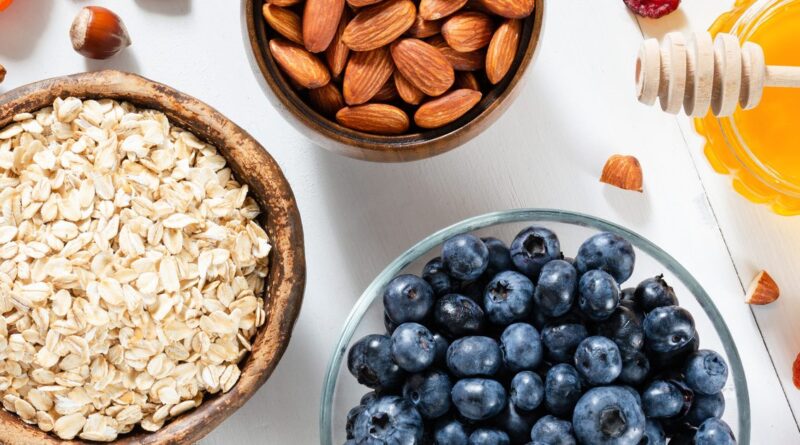
A special type of fibre in oats called beta-glucan helps slow the release of energy and stabilise blood sugar levels. Studies suggest it helps to lower levels of blood glucose after a meal and improves our sensitivity to the blood sugar-managing hormone insulin.
Start the day well with:
Blueberry baked oats
Carrot cake overnight oats
Peanut butter & date oat pots
10. Barley

Like oats, barley is a source of beta-glucan, which influences energy levels by indirectly suppressing appetite and improving insulin sensitivity. Like wheat, barley contains gluten, and as such isn’t suitable for those with coeliac disease or non-coeliac gluten sensitivity.
Try these barley recipes:
Pea & feta pearl barley stew
Pink barley porridge with vanilla yogurt
Squash & barley salad with balsamic vinaigrette
11. Rye

Rye is rich in lignans, which are plant compounds linked with a wide range of health benefits, including a reduced risk of heart disease, menopausal symptoms, osteoporosis and breast cancer. Studies confirm that bread made with 100% rye has less of a negative effect on blood sugar than the equivalent wheat bread, and as a result is likely to keep you more energised and satiated.
We like these tasty recipes:
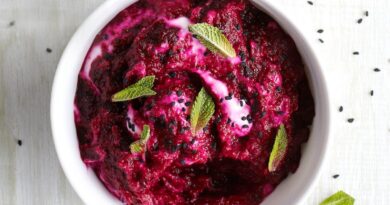
Beetroot & rye tartines
Turkey salad on rye
Scandi smoked mackerel on rye
12. Freekeh

Wholegrain freekeh is good for those following a low-GI diet. It contains higher levels of dietary fibre and protein than regular wheat and is a source of calcium, potassium, iron and zinc.
Check out these recipes:
Moroccan freekeh traybake
Preserved lemon roast chicken with freekeh salad
Leek & freekeh pilaf with feta & toasted pine nuts
13. Buckwheat

Buckwheat has an enviable antioxidant profile, better than that of many cereal grains, including oats and wheat, meaning it plays a protective role in the diet. As well as containing plant compounds like rutin, buckwheat is one of the richest food sources of d-chiro inositol, which may help manage blood sugar levels. Despite its name, buckwheat is actually a seed rather than a grain, and as such is naturally gluten free
We love these recipes:
Buckwheat pancakes
Poppy seed buckwheat porridge
Buckwheat & spring lamb stew
14. Eggs

Eggs have one of the lowest energy-to-nutrient-density ratios of any food, and are rich in protein, which is more filling than either fat or carbs. As a food choice, eggs score well, being high on the satiety index, a measure of how filling a food is. In fact, studies show that an egg breakfast is more sustaining than the equivalent calorie-counted carb breakfast.
Try these egg recipes:
Breakfast egg wraps
Easy egg muffins
Indian chickpeas with poached eggs
15. Oily fish

Like salmon, mackerel and sardines are rich in essential omega-3 fats as well as protein, which means they are a source of sustaining energy and may help lift energy and fight chronic fatigue. They do this by increasing the functioning of mitochondria, the energy powerhouses of our cells.
We love these recipes:
Mackerel & new potato salad
Sardine tomato pasta with gremolata
Air fryer salmon
16. Greek yogurt

Thanks to the straining process used to make regular Greek yogurt, it is an especially good source of bio-available protein, with approximately 5.7g of protein per 100g. Protein provides sustained, long-lasting energy by stabilising blood sugar levels and preventing the crashes associated with refined carbs.
Try these tasty recipes:
Roast aubergines with yogurt & harissa
Instant frozen berry yogurt
17. Almonds

Almonds contain protein, fibre, unsaturated fats and beneficial phytochemicals. One study from 2013 concluded that almonds, when consumed as a snack, help to reduce our hunger.
We love these delicious recipes:
Nuts & seeds granola
Fig, nut & seed bread with ricotta & fruit
Sweet & spicy nuts
18. Cashews

A 2019 study found that daily consumption of cashew nuts helped improve insulin sensitivity, and therefore blood sugar management in those with diabetes. This is likely to be due to the high protein and unsaturated fat content, which helps promote healthy blood sugar regulation.
Try these recipes:
Cashew curry
Gingery broccoli-fry with cashews
Spiced broccoli, paneer & peas with garam masala cashew
19. Seeds

A study investigating the benefits of pumpkin seeds combined with linseed found they may be helpful in preventing the complications associated with poor blood sugar control. The low blood sugar impact of these seeds may also help better manage blood sugar levels.
Delicious seed recipes include:
Chia & almond overnight oats
Roasted pumpkin seeds
Celeriac ribbons tossed with chard, garlic & pumpkin seeds
20. Water
Although water provides no calories it’s important for sustaining energy levels because it’s essential for the processes in the body that produce energy. How much water you need is unique to you and will depend on your health, age, size and weight, as well as your activity levels and the climate you live in. Drinking little and often is the best way to stay optimally hydrated.
Not keen on plain water? Try our fruit-infused water.
What foods give you the most energy?
The best foods for sustained energy include those rich in complex carbs (oats, brown rice, wholegrain rye), healthy fats (nuts, seeds, avocado) and lean protein (eggs, lentils, beans) – these release their energy slowly, avoiding energy crashes.
Maintaining your hydration with water, caffeine-free drinks and high-water-content fruit and vegetables is also essential for preventing fatigue.
Overall, what are the best foods for energy?
My all-round favourite energy-boosting foods include wholegrains, especially oats and rye, as well as yogurt, bananas, avocado, eggs and nuts. These foods provide fibre, natural sugars, healthy fats and protein, along with the essential vitamins and minerals that we need to convert food to calories.
Enjoyed this? Read more of our health guides
How to eat to feel more energetic
I tried an energy-boosting diet plan. Here’s what really worked…
Energy-boosting breakfast recipes
Top 10 energy-boosting lunches
Best energy-boosting snacks
Best supplements for energy
Kerry Torrens BSc. (Hons) PgCert MBANT is a BANT Registered Nutritionist® with a postgraduate diploma in Personalised Nutrition & Nutritional Therapy. She is a member of the British Association for Nutrition and Lifestyle Medicine (BANT) and a member of the Guild of Food Writers. Over the last 15 years she has been a contributing author to a number of nutritional and cookery publications including Good Food.
All health content on goodfood.com is provided for general information only, and should not be treated as a substitute for the medical advice of your own doctor or any other healthcare professional. If you have any concerns about your general health, you should contact your local healthcare provider. See our website terms and conditions for more information.
 20
20 584226
 20
20
 20
20