This is Gordon Ramsay’s Michelin-starred flavour booster – and it costs less than £1
Chefs hate food waste – it’s bad for the planet and bad for business. As Si Toft, chef-owner at The Dining Room in Abersoch, explains: “I’ve had 30 years in kitchens trying to eke every penny out of the stock.” But is a chef’s approach to waste transferable to home kitchens? We asked a range of them to share their top anti-waste tips: easy, everyday actions that make good use of ingredients we regularly bin.
Citrus peels
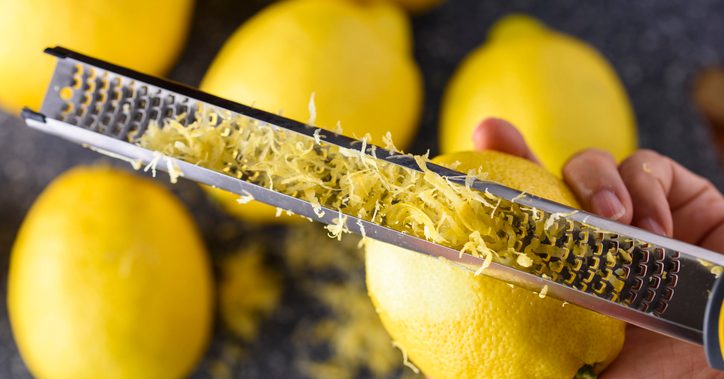
Don’t throw away leftover citrus peel — Gordon Ramsay says it can become an instant flavour booster. Speaking at the launch of his new Krude olive oil, he told us: “Take mandarins or lime, zest them and blend it with salt. You use less salt and it becomes more fragrant.” You could turn leftover lemon, lime or mandarin zest into citrus salt to sprinkle over eggs, fish, roast vegetables or pasta. Stored in an airtight jar, it’s an easy way to give surplus citrus a second life while adding brightness to everyday dishes.
Cookery writer Shivi Ramoutar echoes the sentiment of the power of citrus peels, using an alternative method that lets you use both the peel and the salt again. Remove the citrus pith, finely slice the rind, air-dry it thoroughly for a day or two until tough, then pack it tightly in sea salt. The salt absorbs the lemon oils, creating a fantastic kitchen aide you can use anywhere that gives “aromatic freshness”. The preserved peel can be chopped into a gremolata or used to flavour stews. Lemon salt, kept chilled in an airtight container, will last a few weeks. A small jar made from a single husk is “ample”, says Shivi, author of Recipes From the Rum Islands. “This isn’t batch preserving – it’s literally shoving citrus peels into salt.”

Brine bonus
Often, waste is just a habit. Aktar Islam, chef-owner at Birmingham’s Michelin-starred Opheem, says: “We do what we’ve always done, without thinking, ‘why’? For example, we pour away brine from jarred pickles or capers when that tasty, salty liquor can bring colour to salad dressings, marinades and sandwich fillings. Who wants a dry tuna sandwich?” Chef Judy Joo, owner at London’s Seoul Bird, uses the liquid from jarred kimchi (“pure fermented gold”) to “wake up fried rice, season soups or add depth to a bloody mary”.

House wine
Got any leftover wine? “I freeze it,” says Leyli Homayoonfar, chef-owner at South Wales’s Bab Haus venues. Frozen in ice-cube trays, wine can be easily popped out in amounts to match the splash or glass needed for a recipe. “Prosecco or cava works as well,” says Leyli. “Obviously, you won’t have bubbles, but you’ve got the dry flavour for cooking.”
Milk makeover
If you have too much milk near its sell-by date, use it to make delicious dulce de leche. In a deep pot, combine 1 litre milk and 400g sugar and, as it warms, sift in ¼ tsp bicarbornate of soda and an optional pinch of salt. Bring to the boil, reduce the heat and simmer for 1 hr to a caramel consistency, stirring to prevent sticking. It will keep chilled in an airtight container for two weeks, but, as Roberta Hall-McCarron, chef-owner at Edinburgh’s Little Chartroom, says, “We’ve always used it really fast!”

Turn a new leaf
Larger outer cabbage leaves – “the leaves people usually pop straight in the food waste,” according to Rob Howell, chef-patron at the Root restaurants in Bristol, Bath and Wells – may be used as a parchment/foil substitute when parcelling fish for baking or steaming. If necessary, use oven-safe butcher’s string to secure this (potentially edible) wrapping.
Use your loaf
Recycling stale bread in bread & butter pudding is “hardly cutting edge” concedes Alex Rushmer, “but we do it differently.” The chef-owner at Cambridge’s Vanderlyle freezes leftover focaccia, later layering it with a salt, pepper and nutmeg-seasoned custard in a savoury bread & butter pudding. After baking, it’s refrigerated and compressed with weights overnight, then cut into large fingers and fried in butter. It is, declares Alex, “bloody delicious” served with roast chicken or as a luxurious crouton in soups.
Gin win
Before they wither, cut spare limes or lemons into wedges. Freeze the wedges flat on baking parchment and use in place of ice. “Basically, it’s a lime-flavoured ice cube that doesn’t dilute a gin & tonic,” says Si Toft.

Think green
“I often use leeks instead of brown onions – the flavour is sweeter,” says cookery writer Irina Georgescu, author of Danube. The oft-discarded green tops are, arguably, the best bit as “they add more colour and flavour”.

Pickle perk
Luke Larsson, chef at London’s Khao Bird, is “big on quick-pickling veg trim”. For an appetising topping, shred peripheral greens – such as spring onion tops, broccoli stems and herb stalks – then add vinegar (rice, cider or wine), salt and a little sugar. “In five minutes, you’ve got something sharp and crunchy that cuts through rich soups or stews.”
Oil rush
The olive oil in jars of gourmet tuna or roasted vegetables often tastes sensational, so use it. “If you’re roasting broccoli, drizzle anchovy oil on. Last night, I made baked rice finished with roast peppers and the leftover oil,” says chef Tom Aronica, co-owner of Sheffield’s Bench.
Chips for dips
When prepping potatoes for a big Sunday roast, use the peelings to make a tasty snack. Scrub your spuds but then, as you peel, “do it badly”, advises Miguel Barclay. “Take off loads of potato with the skin.” That way, explains the chef, who shares his budget cooking tips on Instagram @miguelbarclay, you can “chuck these chunky peelings into an air fryer with olive oil, salt and pepper (at 200C for 15 mins) to get an amazing crispy potato dish – great with pesto”.

Sourdough crunch
As older ends of good sourdough finally stale, blitz them into breadcrumbs that retain “flavour, character and depth”, suggests Catherine Connor, co-owner of Cumbrian bakery Lovingly Artisan. Use fresh soaked breadcrumbs to enhance mince for meatballs. Or, dry and freeze breadcrumbs (bake in single layers at 170C/150C fan/ gas 3, stirring often until dry) to coat fish or use, pangrattato-style, toasted with olive oil, chilli and garlic to add “bold, savoury crunch” to pasta or greens.
Meringue magic
Creating sweet meringues by whipping aquafaba (the liquid from cooked canned beans, usually chickpeas) sounds fantastical, but “it works” says Sunny Hodge, owner of London wine bar Aspen & Meursault. The raw mix smells earthy, but after cooking, Sunny says, “that earthiness goes away”. Visit goodfood.com for our aquafaba meringue recipe.
Coffee kick
Jack Bond, chef at Cumbria’s The Cottage in the Wood, has a clever use for spent coffee grounds. Chill the coffee grounds (use them on the same day or freeze for up to three months), then mix – 20 per cent grounds, 80 per cent flour – into the dough when salt-baking root vegetables, bringing a “nutty earthiness” to beetroot or celeriac. Jack also says coffee grounds added to an olive oil and juniper marinade for venison give a more “complex flavour”.

Cheese stock
Mary-Ellen McTague, chef-partner at Pip at Treehouse in Manchester, recommends freezing unused cheese ends and natural rinds (“there is so much flavour in rinds”) then, periodically, making a sauce that “extracts as much cheesy goodness out of these bits as you can. Cheese is super-expensive, it feels such a win”.
First, weigh your cheese. In a jug, measure double that amount of water. In a large pan, make a cornflour slurry equivalent to 5 per cent of the total (so, 250g cheese + 500ml water = 37.5g cornflour), add the water and bring to a simmer. Reduce the heat to 70C. Add the cheese, but don’t let it boil. After the cheese melts, blitz the mixture until smooth and strain to remove any lumps. Use any cheese offcuts (“it’s best when it’s a big mixture of different types,” says Mary-Ellen) and batch-freeze the sauce to use in anything from pasta dishes to pie fillings. Or, thin it out to make what Mary-Ellen calls “cheese stock” and use in soups, such as roasted cauliflower.
More leftovers inspiration
10 dinners that make great lunch leftovers
How to use up leftover sausages
What to do with leftover lamb
30 leftover chicken recipes
What to do with leftover bread
 20
20 584226
 20
20
 20
20