Mumbai Metro 3 to finally get mobile network after months-long deadlock
2 min readMumbaiMay 22, 2026 10:34 PM IST
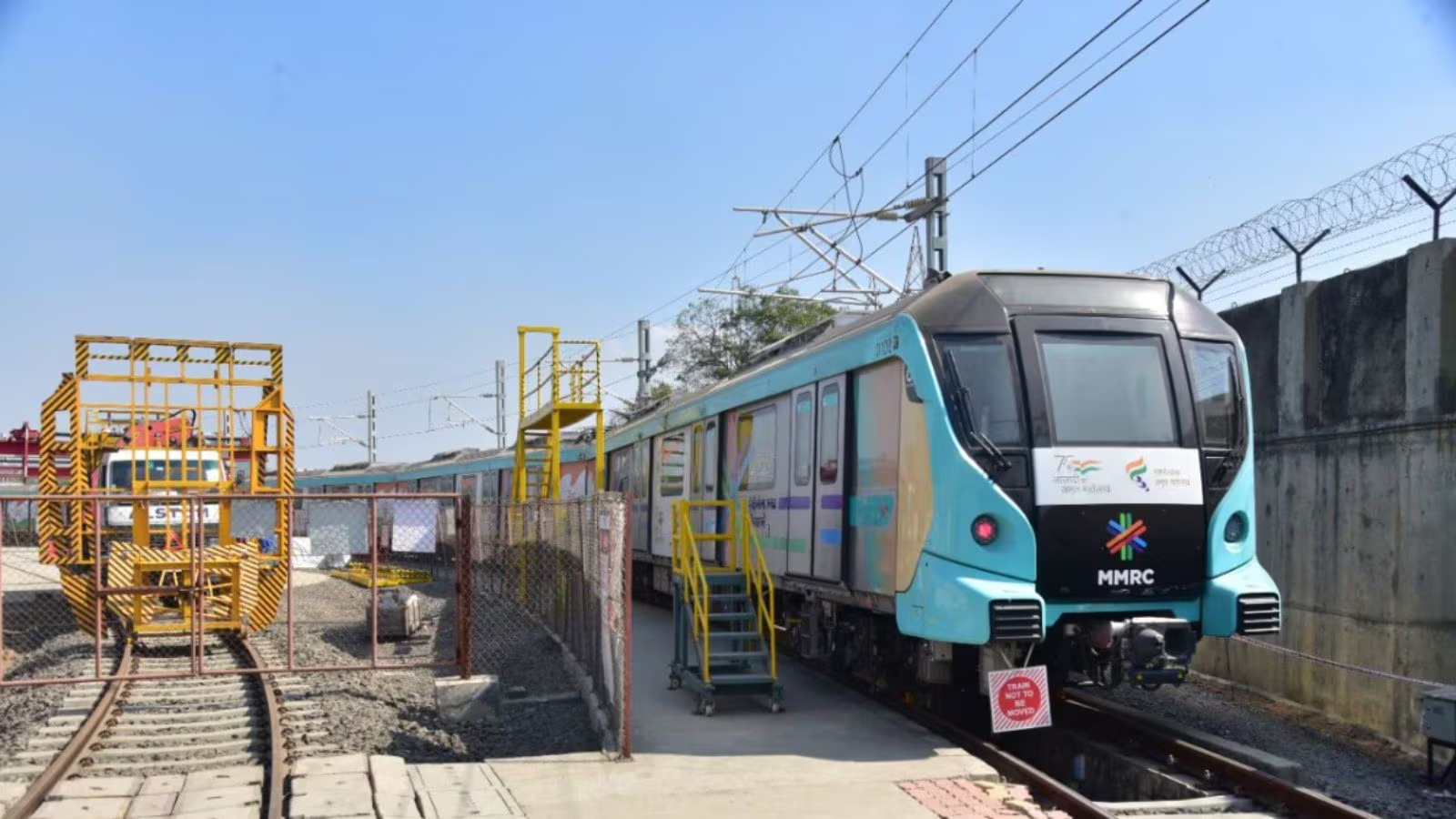
After months of commuter complaints over lack of mobile connectivity on Mumbai Metro Line 3, the Mumbai Metro Rail Corporation (MMRC) has finally awarded rights to install telecom infrastructure on the underground corridor to Bharti Airtel, Reliance Jio and Vodafone Idea jointly, ending a prolonged deadlock between telecom service providers and the metro authority.
The three telecom companies will jointly invest in the underground telecom infrastructure, also known as in-building solutions, that will provide mobile network coverage inside stations and tunnels along the underground metro route. Officials said the agreement will remain in place for 25 years and provisions are also being made to eventually accommodate BSNL on the network.

The move comes after the MMRC in March reissued tenders to provide mobile connectivity infrastructure on the corridor. At the time, Reliance Jio had offered to install the telecom infrastructure at no cost to the metro authority — a proposal later backed by Airtel and Vodafone Idea.
The connectivity issue had stemmed from a dispute over charges demanded by the company initially contracted to provide telecom infrastructure on the line. Telecom service providers had objected to the fee structure, arguing that the charges were too high. The revenue generated from the arrangement was expected to contribute to MMRC’s non-fare earnings and help subsidise metro fares.
However, as telecom companies refused to pay the demanded charges, mobile connectivity across the underground stretch remained severely limited.
The situation worsened after MMRC terminated its contract with ACES India in March, following which mobile networks across parts of the corridor went completely dark.
Fearing a repeat of the dispute, telecom service providers later sought direct right-of-way permissions from the MMRC to install and operate their own telecom infrastructure inside the metro network.
Story continues below this ad
Officials said the MMRC ultimately prioritised commuter convenience over non-fare revenue considerations.


© The Indian Express Pvt Ltd
 20
20 584226
 20
20
 20
20