
Integrated healthcare network to reduce burden on tertiary hospitals
By Vikas Vaidya :
The move would not only reduce the patient load on tertiary
hospitals but also improve
utilisation of UPHCs and civic hospitals, many of which remain underused despite availability of infrastructure and manpower.
Nagpur’s healthcare system may soon function through an integrated network linking major Government medical colleges, Nagpur Municipal Corporation (NMC)-run health centres and hospitals operated by the Public Health Department. The move is aimed at streamlining patient flow, strengthening primary healthcare and reducing pressure on overcrowded tertiary care hospitals.
According to sources, the model is inspired by Mumbai’s healthcare system where civic-run dispensaries and peripheral hospitals work in coordination with institutions like KEM Hospital. A similar mechanism is now being planned for Nagpur.
At present, the city’s healthcare structure functions in silos despite having an extensive network.
Nagpur has two major tertiary care institutions — Government Medical College and Hospital (GMCH) and Indira Gandhi Government Medical College and Hospital (IGGMCH) — apart from Super Speciality Hospital. The NMC operates 51 Urban Primary Health Centres (UPHCs) along with Gandhi Nagar, Pachpaoli and Sadar hospitals. The Public Health Department separately runs facilities including Daga Hospital and District Hospital.
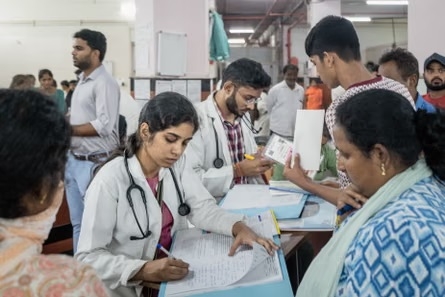
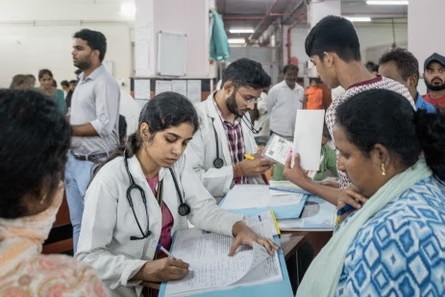
However, in absence of a referral mechanism, patients directly approach tertiary care hospitals even for minor ailments like cough, cold and fever. This leads to overcrowding at GMCH and IGGMCH, affecting the quality of treatment and increasing waiting time for serious patients requiring surgeries and specialised care.
Under the proposed integrated system, diseases and medical conditions will be categorised and patients will be directed to appropriate centres depending on the severity of illness.
Sources said, a structured referral mechanism will be developed making it mandatory in certain cases for patients to first visit UPHCs or secondary-level hospitals before approaching tertiary institutions.
A Task Force is likely to be constituted to monitor implementation and functioning of the mechanism. The workforce across various hospitals and healthcare units would function in coordination, effectively operating as a unified healthcare system rather than independent institutions.
Officials believe the move would not only reduce the patient load on tertiary hospitals but also improve utilisation of UPHCs and civic hospitals, many of which remain underused despite availability of infrastructure and manpower.
The proposal gains significance as Chief Minister Devendra Fadnavis is learnt to have agreed in-principle to integrate healthcare systems across Maharashtra districts. If implemented effectively, Nagpur could emerge as a pilot urban healthcare integration model in Vidarbha.
The initiative is also being viewed as part of the Government’s larger attempt to strengthen preventive and primary healthcare while ensuring specialised institutions focus on critical and advanced treatment.
 20
20 584226
 20
20
 20
20