

India’s Government Launches Fitness Initiative to Tackle Rising Lifestyle Diseases, ETHealthworld
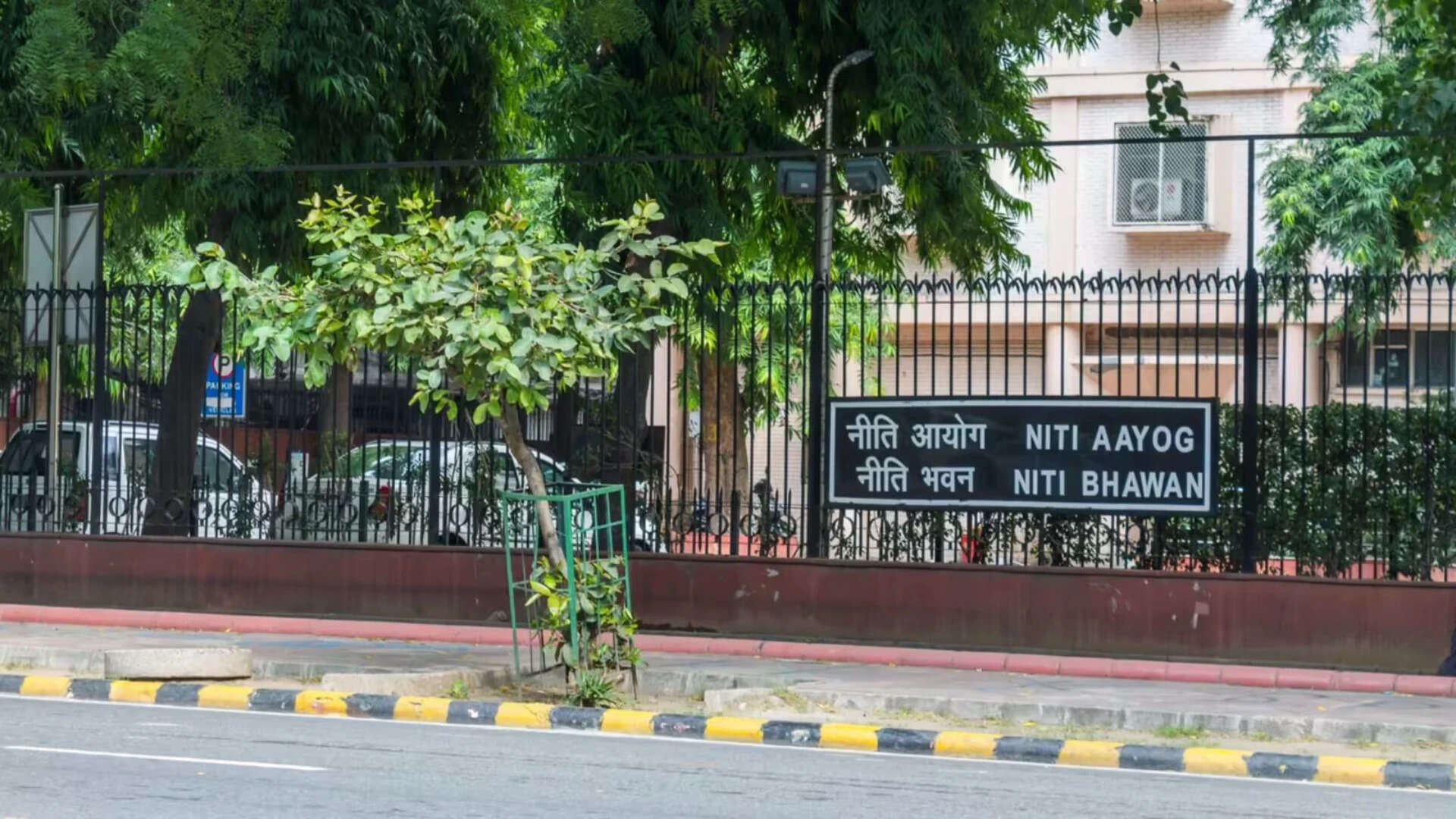
New Delhi: The government is weighing incentives ranging from subsidised gym memberships to employer-led wellness programmes, along with wider health screening, to curb lifestyle diseases as diabetes, hypertension and obesity affect a growing number of Indians.
The Niti Aayog has been tasked with the preparation of the proposed road map to manage lifestyle diseases, officials told ET.
The blueprint, which could factor in best global practices, is expected to outline policy interventions and incentives to encourage regular health screening for all above 30 years of age and focus on lifestyle changes needed to prevent these diseases, one of them said.
“The Aayog will hold stakeholder consultations on the proposed plan, (and) emphasis on early screening and consistent behavioural changes,” the official added.
According to recent government data, nearly half of the country’s population reported non-communicable diseases and metabolic disorders compared to just 31% a decade ago, with a sharp rise in cases of diabetes, hypertension, cardiovascular ailments and obesity among others.
The Household Social Consumption: Health survey (January-December 2025), conducted by the National Statistical Office (NSO) identified the rising number of cardiovascular and endocrine or metabolic issues from age 30 years onward with hypertension and diabetes as the largest contributors.
The Aayog is expected to study international approaches ranging from tax incentives for health and fitness programmes in Sweden to Japan’s metabolic health screening programme. Some countries such as the Netherlands have integrated cycling into daily transportation via dedicated bike lanes while Chile banks on stark front-of-package warning labels and school food regulation to combat obesity.
While India already has some provisions in place, including preventive screening and dietary regulations, the Aayog is of the view that incentives to adopt these measures and effective implementation will be the key going forward to prevent the surge in NCDs.
The government conducts widespread screening for hypertension, diabetes, and cancers (oral, breast, and cervical) at the community level and is looking at upgrading primary health centres into wellness hubs to deliver preventive care and early diagnosis. Besides, there are nutritional guidelines by the government, capping cereal consumption and reducing consumption of processed and sugary foods, officials noted.

 20
20 584226
 20
20
 20
20