How climate-resilient homes in India are reducing dependence on air conditioners
The sun is out in full force and the journey to Kollur, a suburban locality in the western outskirts of Hyderabad, isn’t exactly comfortable. Summers in the city are notoriously bone-dry, with temperatures above 40 degrees Celsius, and heatwave alerts are a norm.
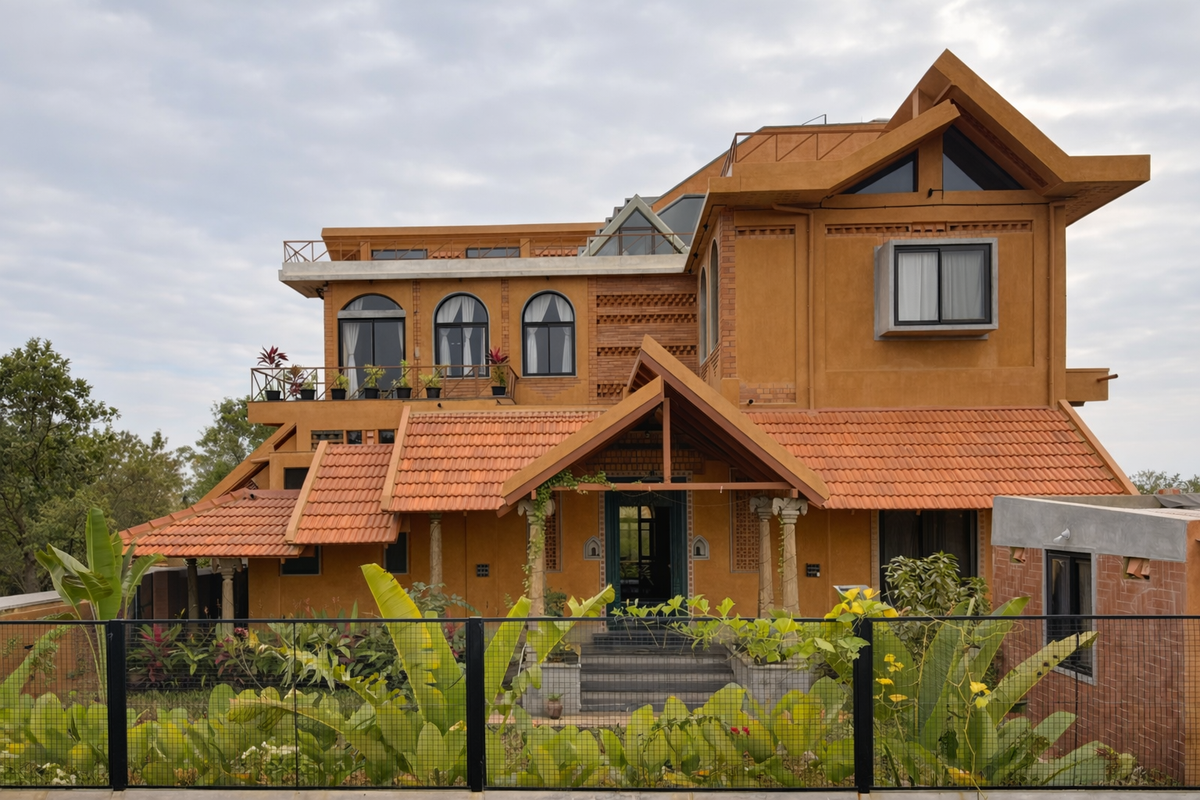
A view of the house in Kollur, Hyderabad.
A recent observation from AQI.in, which tracks real-time temperatures, notes that more than 90 of the world’s 100 hottest cities are in India. Beyond the statistic lies a collective lived experience of stifling conditions, driven by shrinking green cover and unchecked urbanisation.

Vamshidhar and Mounica Reddy.
On reaching the location, a residence in an emerging gated community, there’s a discernible dip in temperature inside the house. “We have not installed air conditioners. Ceiling fans suffice even in summers,” says architect Vamshidhar Reddy of Iki Builds, an architecture firm in Hyderabad.as we walk through the courtyard that allows cross ventilation and natural light. A climate-resilient home that does not make us reach for the air conditioner remote seems like a luxury in these stifling conditions. While it ensures day-to-day comfort, it helps slash utility bills in the long run.
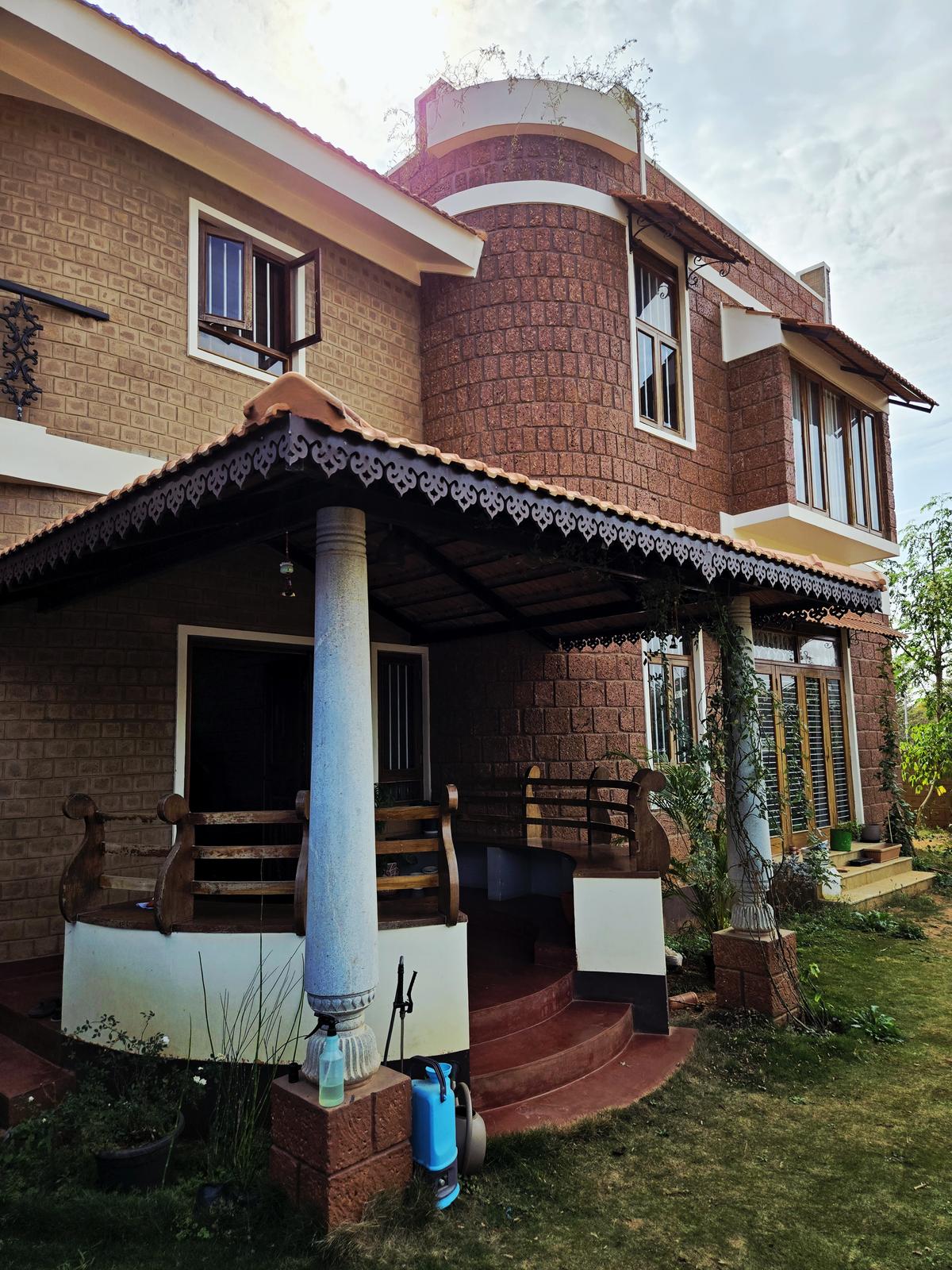
A view of the house supervised by Sathya Consultants.
The home owners — part-time blogger Sarita Chebbai and her husband Rajiv Shivane, who runs a software startup — say that when they began planning the house, they wanted to avoid ACs as much as possible. “Neither of us like it, much to the annoyance of our children. So we wanted a home that stays naturally cool. Hence, you will find windows on every wall in addition to jaali ventilators,” says Sarita.
Homes like these are part of a growing shift towards climate-resilient constructions. Across cities such as Hyderabad, Bengaluru, Delhi-NCR, Chennai and states like Rajasthan and Gujarat that are prone to harsh summers, a niche clientele are seeking climate-friendly homes and architects are catering to this demand.
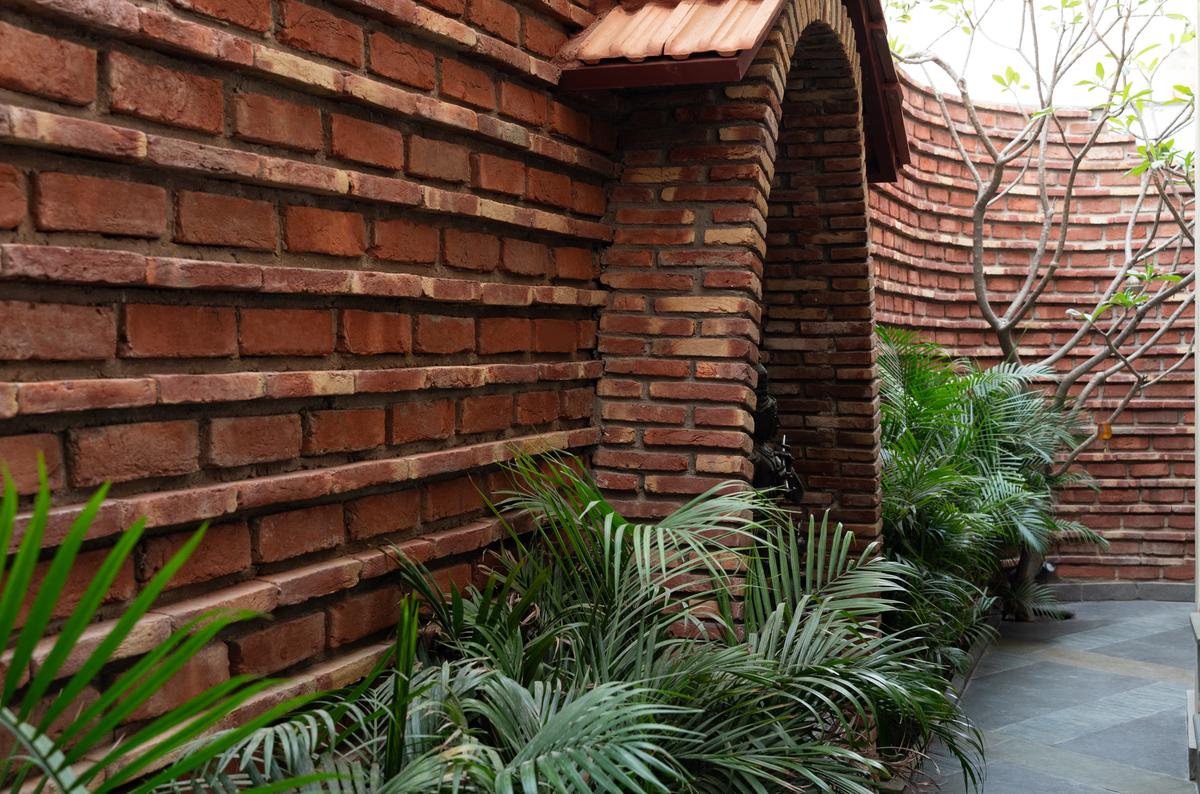
A view of the house supervised by Ant Studio.
Alternate approach
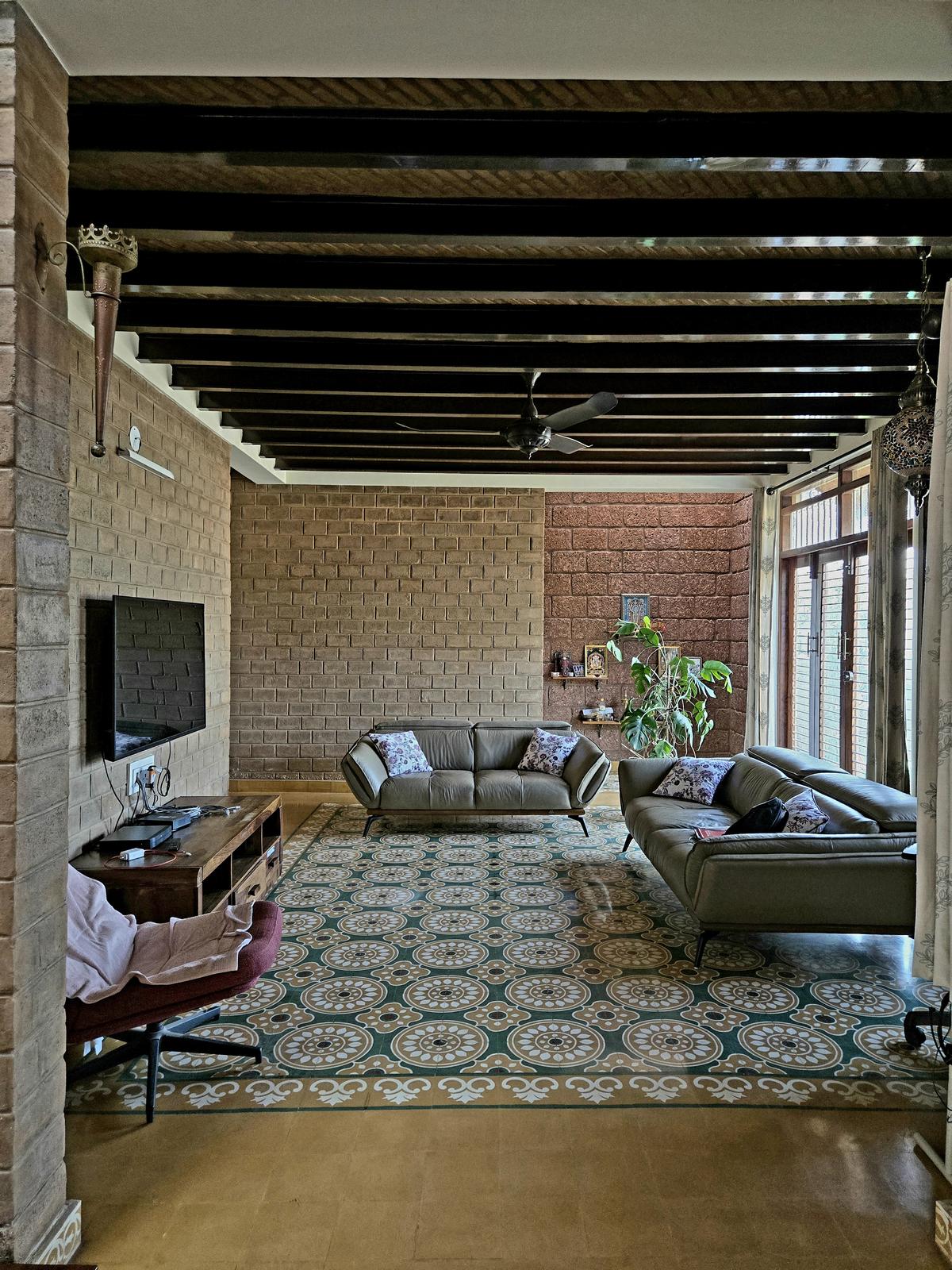
In these constructions, apart from design that allows ventilation and light, the use of traditional materials for the roof, flooring and walls provide thermal insulation. These include materials such as Madras terrace roof, Athangudi tiles from Chettinad, Kadapa stone, unplastered rammed or poured earth walls. (explained these in infobox) Rainwater harvesting channels are also integrated into the design, along with solar panels wherever feasible.
“We draw from the past to learn about climate-resilient materials and use them in a modern way. A lot of research goes into eco-friendly constructions,” says Reddy. At the Kollur house, this is evident in the sourcing and use of materials. For the ground floor, soil excavated from the site has been used for the rammed earth walls. Quarry debris from nearby areas have been used for the poured earth walls on the first floor. Lime and cement are used for binding, with cement limited to 4-7%. Reddy explains that the walls have been tested for durability and do not require maintenance in the form of repainting every few years. “Our research and development team is now focusing on reducing the cement further, to enhance thermal insulation.”

Monish Siripurapu.
Driving factors
Bengaluru-based architect Sathya Prakash Varanashi, who has been focusing on environment-friendly constructions since 1993, says the difference in approach from a conventional concrete structure begins at the planning stage. “The area is analysed for heat, light, air, rain, glare, humidity, dust and sound to see if an eco-friendly construction is viable.We go ahead if we are confident of several, even if not all, parameters.”
These homes are designed to be in synergy with nature, extending in and out, so that more windows and external walls can allow light and ventilation into the home across seasons and at different times of the day. His residence in Bengaluru and the home of the couple Surya and Mahesh are cases in point.
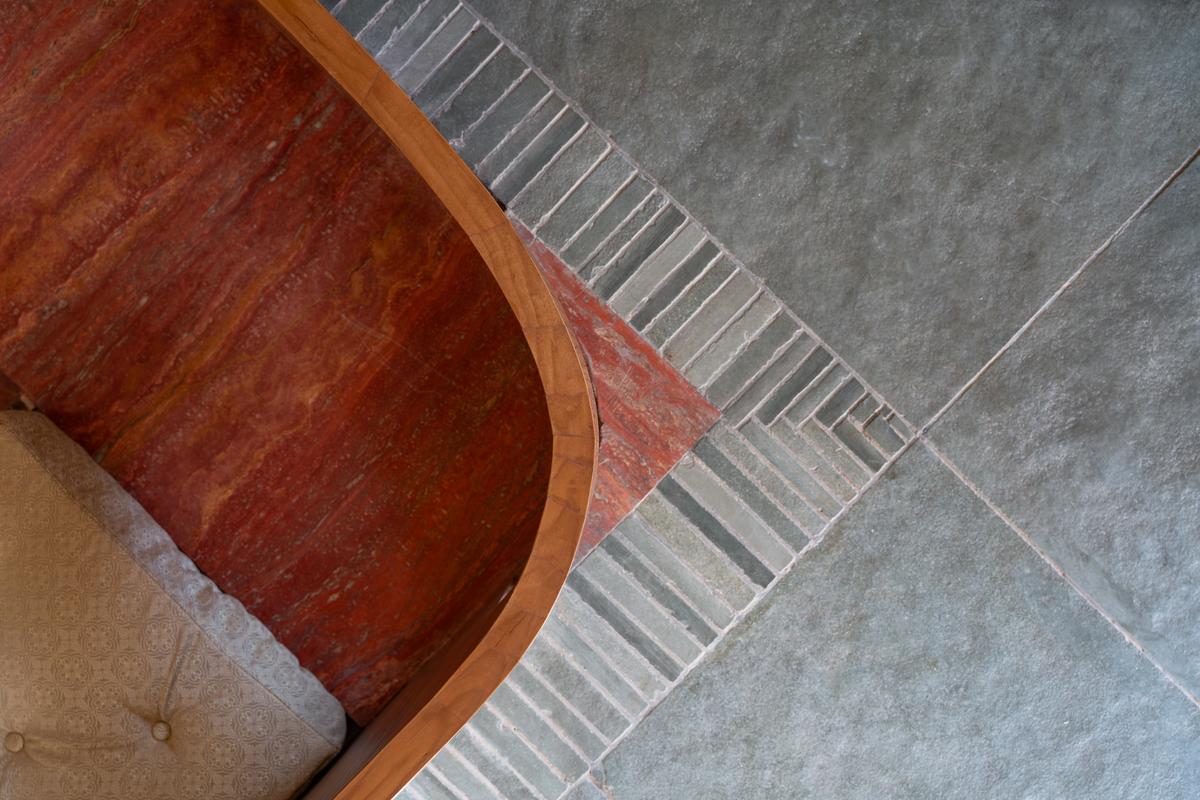
The use of what he terms as “alternate materials”, in place of concrete and tiled structures, plays a crucial role. “The materials used for roofs, floor, walls and arches help make a building as energy efficient as possible.”
Alternate materials
Hollow clay blocks: Lightweight blocks with perforations that provide heat and sound insulation
Kadapa tiles: Heat-resistant black limestone slabs.
Athangudi tiles: Air-dried and water-cooled handmade tiles.
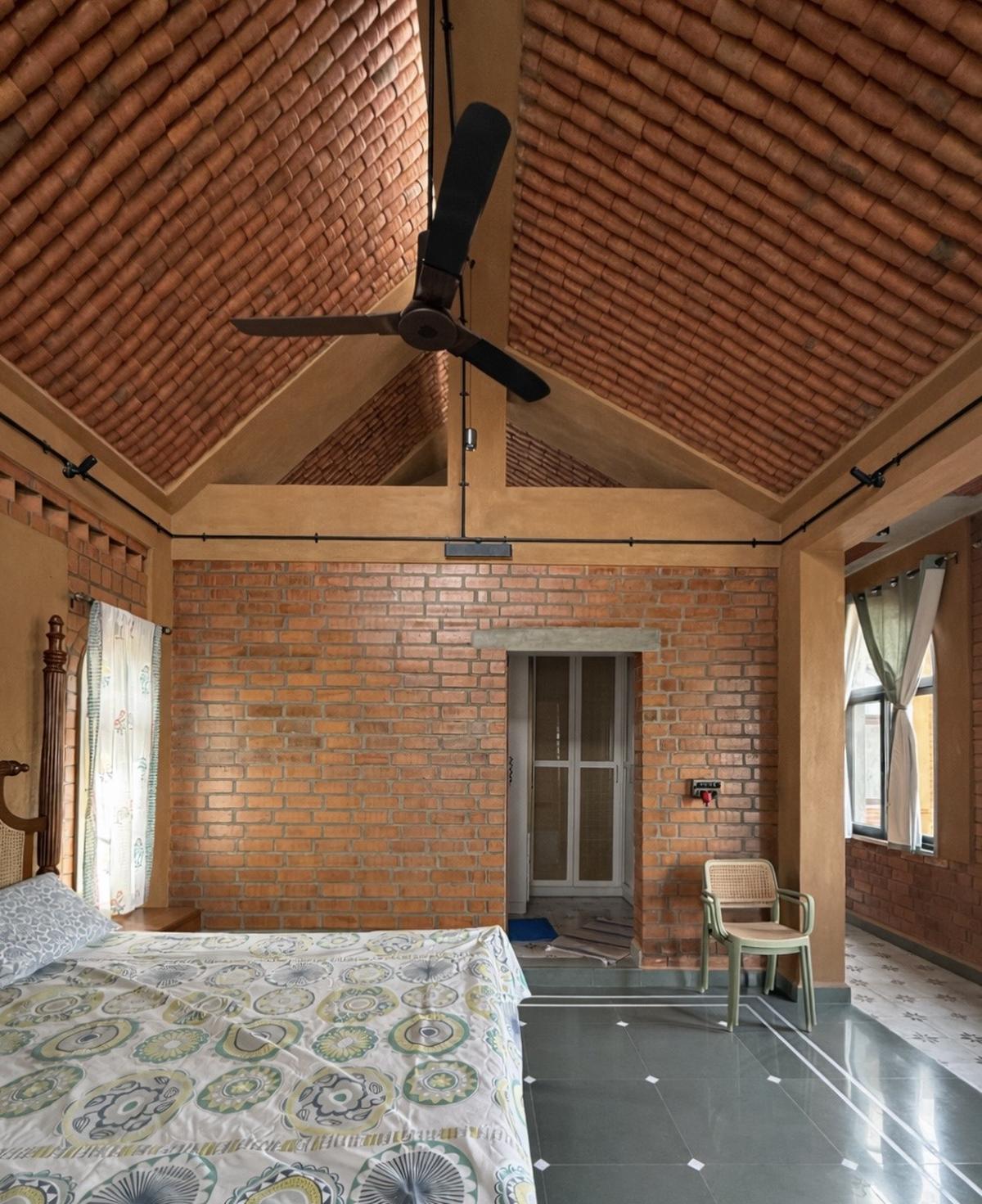
Madras roof: A multilayered roofing system dating back to the 18th century. Vamshi explains that instead of a concrete slab, it uses timber or metal joists, half-bricks, and thick layers of lime mortar. Unlike concrete, lime allows the structure to breathe and releases heat. Additives such as fermented jaggery, soaked aloe vera and kaddukai (inknut) extracts improve waterproofing and strength.
Reuse, repurpose
Vamshi explains that crushed stone dust from quarries and broken brick rubble from torn-down buildings can be repurposed to give volume and strength to the main walls.
Wood and stone pillars from demolished heritage structures are often repurposed for staircase handrails, bookshelves, and door frames.
Casuarina poles are reused for outdoor roofing, helping filter harsh sunlight.
Granite boulders around the site can be shaped into cantilevered stairs, courtyard pillars and washbasins.
Laterite stone waste can be reused in combination with soil and lime.
The supply chains for such materials are efficient in cities such as Bengaluru and Delhi, and are gradually on the rise in cities like Hyderabad where eco-friendly constructions are still an emerging trend, architects point out. Repurposing excavated soil and laterite stone waste, and sourcing materials locally, helps cut down carbon footprint.
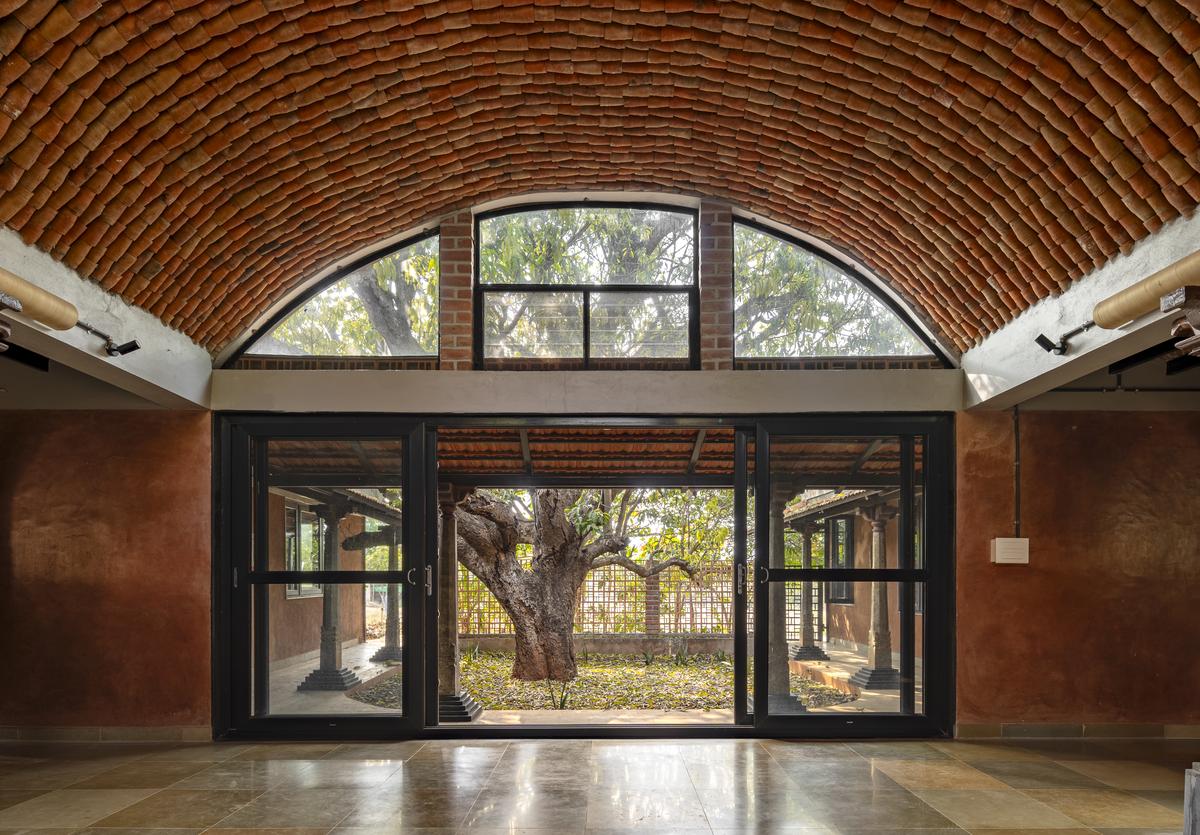
Shyam bhatt residence
| Photo Credit:
VIVEK EADARA
The bigger challenge lies in finding a skilled workforce. Architects rely on skilled masons from Auroville, Tamil Nadu or Karnataka, who stay on site for months in Hyderabad and complete the project. Some local workers also get trained.
Reddy, who honed his skills in sustainable architecture in Bengaluru and Auroville, says the garden city has been ahead of the curve. “In Hyderabad, the trend has been gaining ground in the post-pandemic years. Spending more time at home during lockdowns made more people realise the need for sustainable homes.”

Sathya Prakash Varanashi
| Photo Credit:
Vaishali Bhatia
Elsewhere, in cities such as Vijayawada, Chennai and Delhi-NCR, such homes are increasingly sought after by those who want to move away from heat-trapped colonies towards less-crowded neighbourhoods, if not farmlands in the outskirts.
At times, the aspiration stems from nostalgia. Architect Monish Siripurapu of Ant Studio, a consulting agency in Delhi, recalls how a couple based in Noida, with roots in Tamil Nadu and Kerala, wanted a house signifying memory and culture. The house, named Thalayalam (Tamil and Malayalam), was conceptualised with traditional materials and layouts reminiscent of homes in th owners’ respective states.
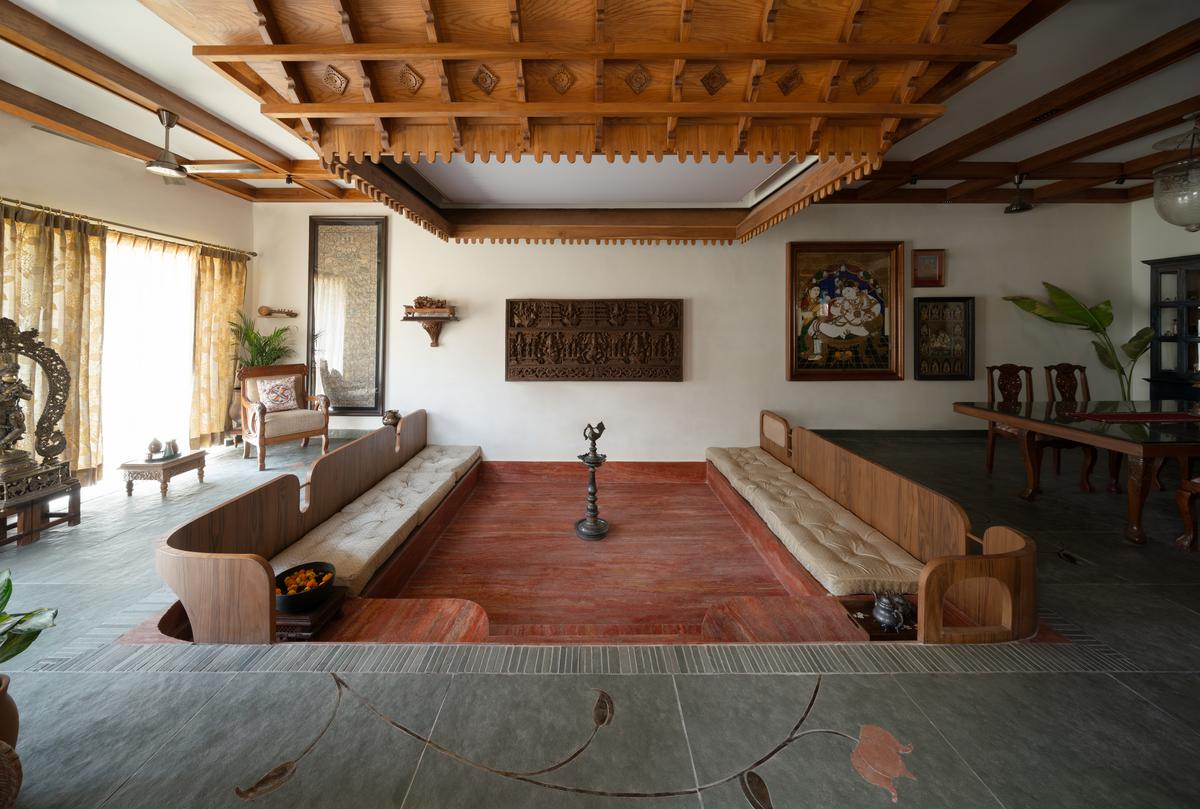
“Many of us who migrate to metros for work, carry the memory of our hometowns,” says Monish, whose work in sustainable constructions is rooted in memories of summer nights spent stargazing at his grandmother’s residence in Vijayawada. “An early instinct was to design constructions that are in tune with nature; the sustainability part came in gradually.” One project leads to another through word of mouth and media visibility. Monish, who has similarly worked on a residence in Hyderabad, credits the client’s keen interest to keep the house as environment-friendly as possible.
Client interest and awareness of sustainable living fuels such projects, says Varanashi. “Since we have been specialising in this line since the 1990s, people seek us out even from Chennai, Hyderabad and other cities. When clients show interest in such homes, our job becomes easier.”
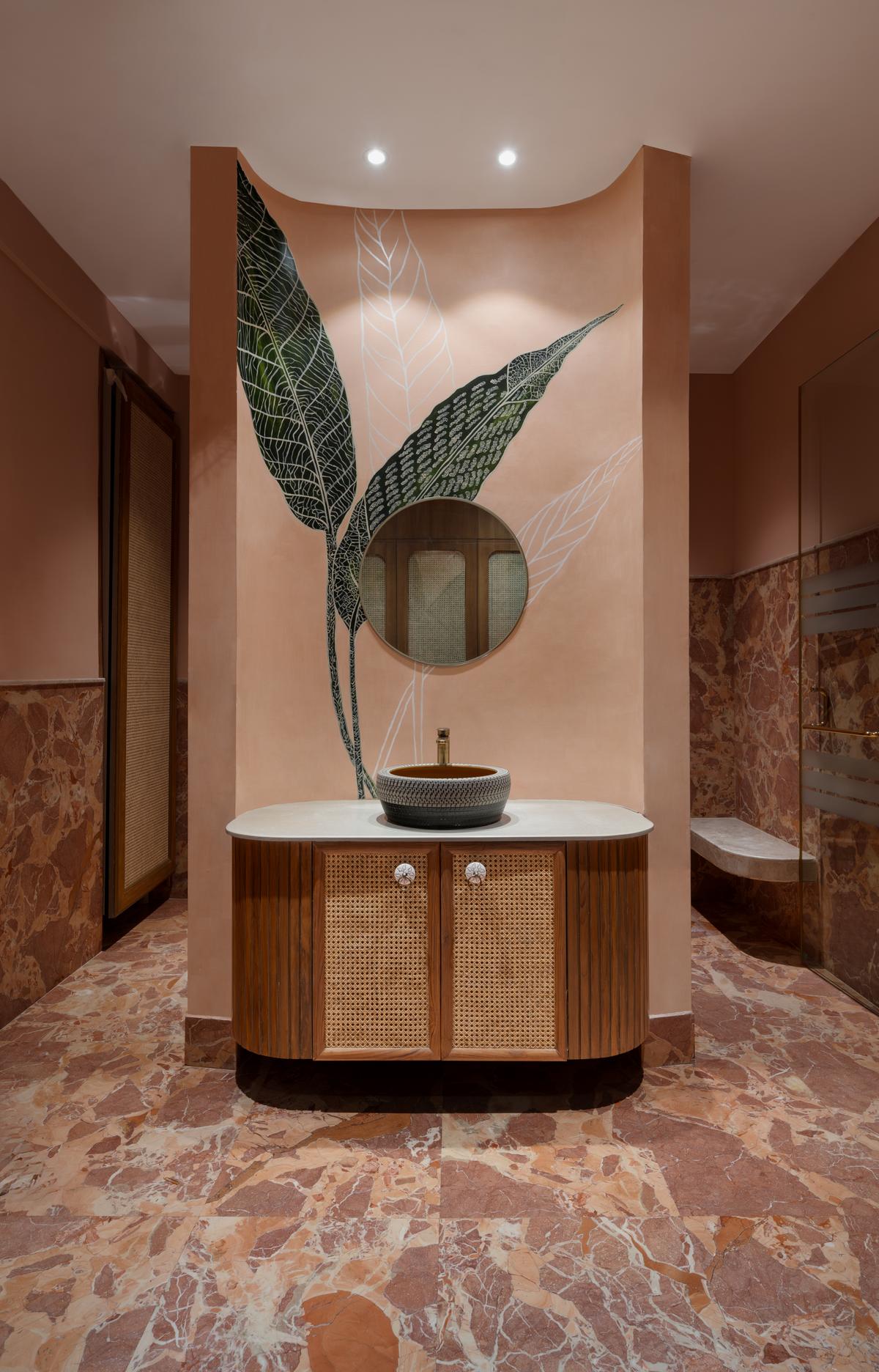
Climate-friendly homes are often synonymous with tall roofs that allow hot air to rise up and flow out through ventilation spaces or jaalis. These ventilation units are covered by a mesh to ward off pests and mosquitoes.
Making it tangible
At the residence in Kollur, these principles come together in a tangible way. The walkway along the garden leads into a verandah, with a courtyard as a nodal point. Refurbished stone and wooden pillars add a touch of heritage to these areas. The roofs rise up to 14 feet. “The owners wanted a house with elements of Goan and Konkan architecture,” says Reddy. The sloping roofs with terracotta tiles and interlocked kulhads (terracotta clay cups used to serve tea) lend a rustic charm. “Mangalore tiles may not be conducive for Hyderabad’s dry heat. So we used the Madras roof.”
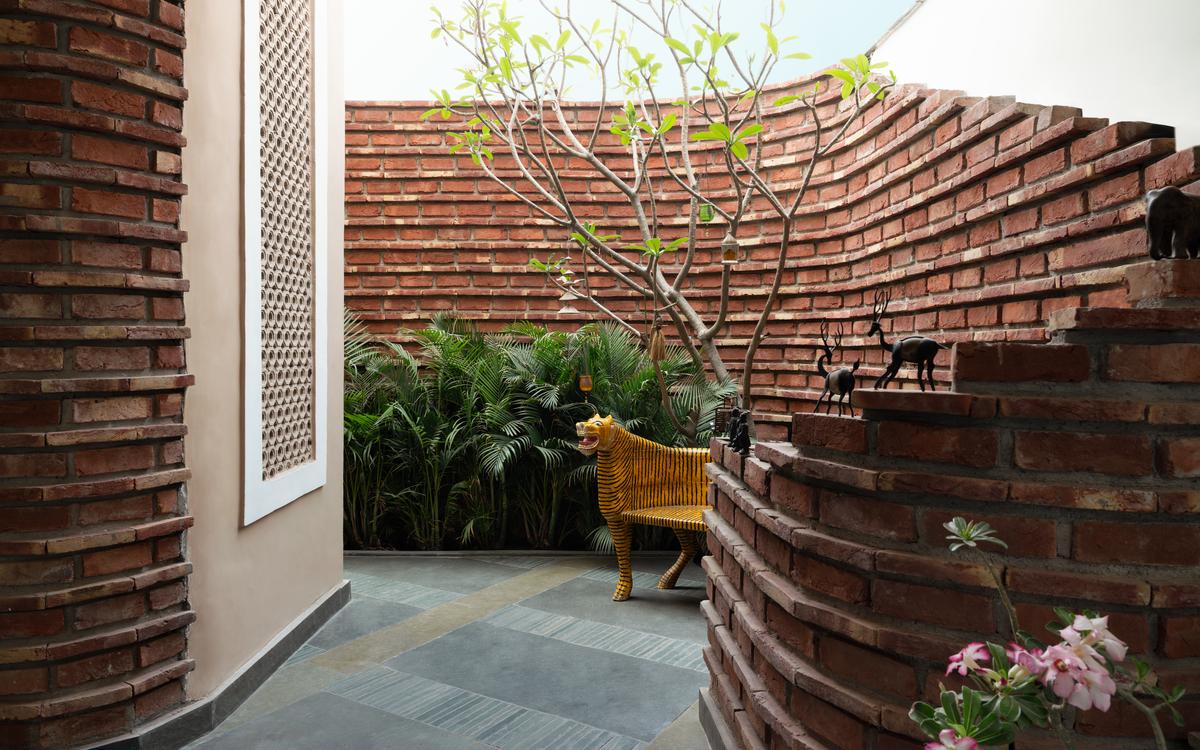
Though such a construction meant going against the contemporary norm, Sarita recalls childhood memories of her uncle’s home in Bagalkot in north Karnataka. “The house had thick stone walls, a well in the backyard and a trapdoor in a room where grains and other supplies were stored. Legend has it that such recesses were even used to hide from the British during the freedom struggle. The area went under after the construction of Almatti dam, but my cousin marked each stone, retrieved and reconstructed the house in another location. His effort inspired me.”
Elaborating on how these homes avoid ACs, Reddy explains, “In a standard urban home, concrete roofs and thin brick walls act like an oven. They soak up the sun’s heat all day and push that trapped heat into the rooms at night. Since the house is completely sealed, you have no choice but to run an AC to cool it down. A sustainable construction changes this by stopping the heat at the source.” In recent years, he has used combinations of traditional materials in homes around Hyderabad and Vijayawada.
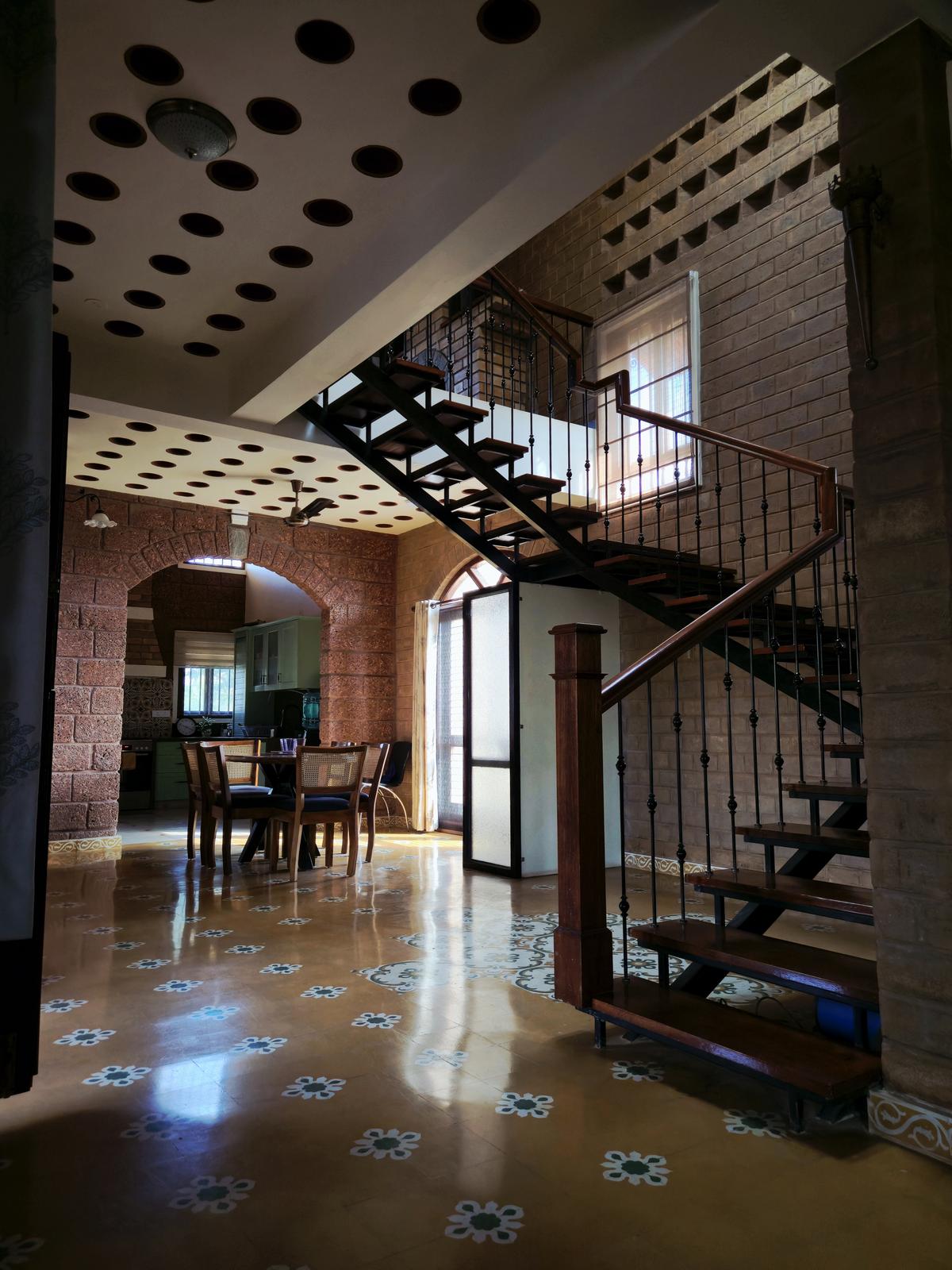
Monish, whose firm has worked on climate-friendly constructions in Delhi, Pune, Lucknow, Hyderabad, Vijayawada and Rajasthan, observes that clients initially sceptical about reducing AC use, warm up to the idea when told that the dependency on ACs can be reduced. “They are receptive to the idea of reducing the load of ACs from, say, 10 tonnes to two or three,” he says, and admits that in some heat-trapped localities, minimal use of cooling systems may be required.
For one of the houses, Monish’s firm used the technique of cavity walls, in which parallel walls separated by an air gap creates a thermal break and improves thermal insulation.
Alongside such constructions, Monish’s studio his Ant Studio has also worked on terracotta-powered CoolAnt systems that double up as public art installations and demonstrate an environment-friendly approach. One such installation, Cooling Cacti, is at the Ahmedabad airport. Water is circulated over the terracotta surface, thereby lowering the temperature.
In cities still sceptical to the concept of earth-friendly constructions, Monish and Reddy state that it’s imperative to create an aspirational value towards reducing carbon footprint.
Is cost a prohibiting factor? The architects state that the cost is proportional to the materials used and the area, and quite often, the cost incurred would match that of the conventional construction, if not slightly more. The ease of maintenance – tiles and walls that do not require polishing or painting and lower utility bills are long-term wins.
Varanashi says the bottom line is simple: the home should feel good to live in. “In some homes, it has been tested and proven that the temperature is 10 to 12 degrees cooler than outside in summer. As a firm that has also focused on rainwater harvesting and solar power since 2002, we have only seen the response grow. We are all following in the footsteps of pioneers like Laurie Baker, who demonstrated cost-effective and energy-efficient architecture. The aim is to build homes that stand for 100 years.”
 20
20 584226
 20
20
 20
20