Bengal’s Nandigram opens door to industry with ship building hub
Nandigram (West Bengal): Nineteen years after violent land acquisition protests drove away the then Left government’s planned chemical hub in West Bengal’s Nandigram, the sleepy fishing village is slowly opening its doors to industry again.
Since the land agitation that paved the way for Mamata Banerjee’s Trinamool Congress to end the Left’s 34-year reign in the state, the area has hardly seen any capital inflow into industry.
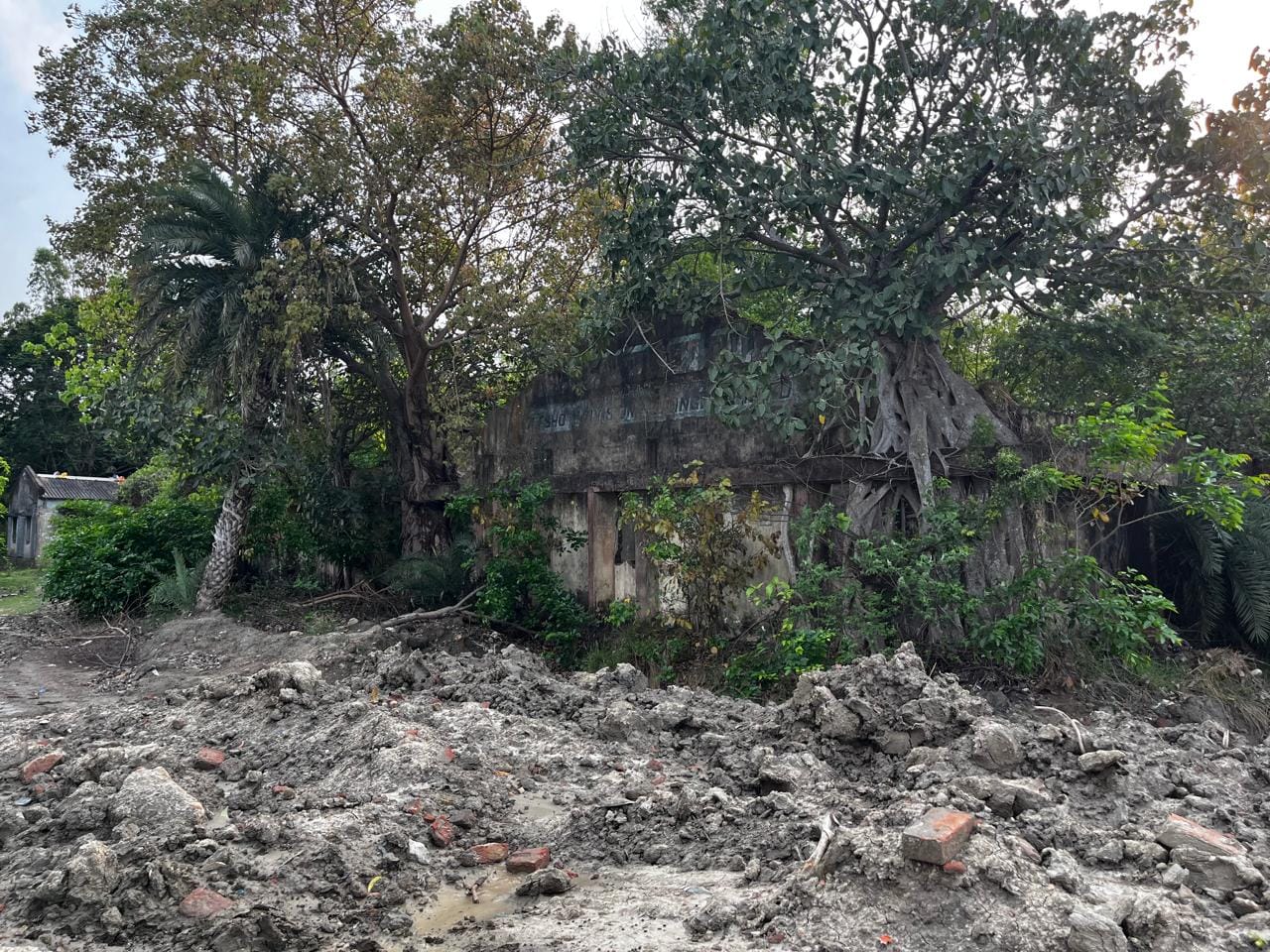
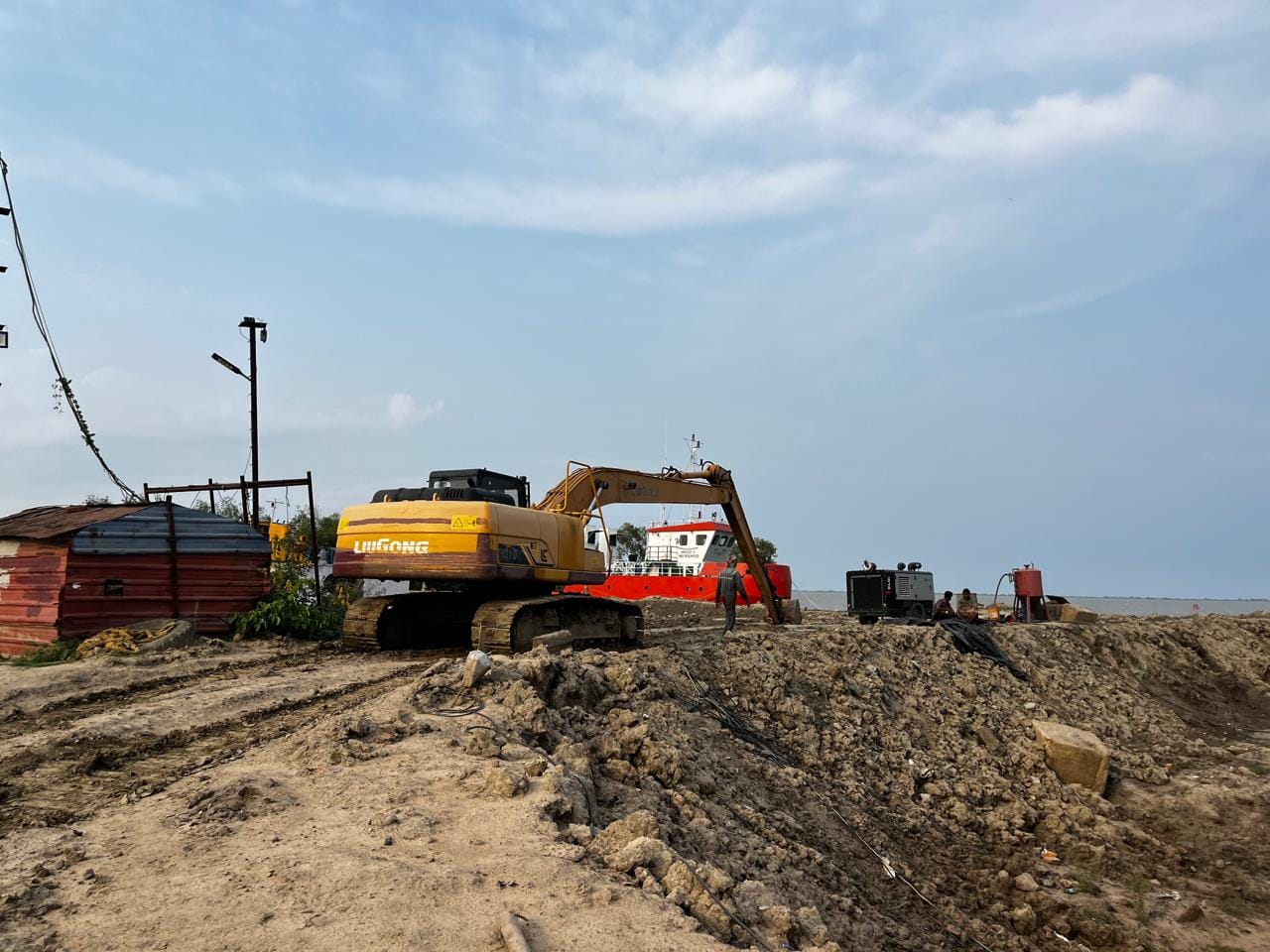
But now, in one corner of Nandigram in the Hooghly estuary, a new shipbuilding and repairing hub is being developed by the Union Ministry of Ports, Shipping, and Waterways in the village of Jellingham.
The Hooghly estuary is one of the largest estuaries formed by the Ganga-Bhagirathi-Hoogly river system, which flows into the Bay of Bengal through the Sunderban delta. Jellingham is a key point for maintenance dredging in the shipping channel that connects to the Haldia dock complex.
The shipbuilding hub is part of the expansion of Kolkata’s Syama Prasad Mookerjee Port (SMPK), formerly known as Kolkata Port Trust, which owns the land.
SMPK has already leased out 5.65 lakh sq metres of land at Jellingham for 15 years to Kolkata-based Ripley & Co Stevedoring and Handling and Atreya Shipyards for ship repairing, shipbuilding and recycling activities.
A company official said the Rs 2,000-crore project will come up in two phases. The first phase will involve the repair and building of small crafts, tug boats, cargo and passenger vessels and developing it will cost approximately Rs 200 crore. The second will involve building larger vessels.
Preparatory work for the development of the shipbuilding and repairing hub began in mid-2024 when Kolkata Port Trust floated a tender and awarded the project to Ganges Shipyard, a company under Ripley & Co.
However, not much noise has been made about it.
An official at the Jellingham site, who did not want to be identified, told ThePrint that discretion was intentional: “Nandigram has a legacy. We do not want any trouble here. We want the project to be completed on time.”
West Bengal votes in two phases on 23 and 29 April, with counting of votes on 4 May.
Fingers crossed
Some in Nandigram haven’t forgotten the violent 2007 protests that led to the killing of 14 villagers in police firing. The chemical hub, which Indonesia’s Salim Group proposed to set up, was shelved after the violence.
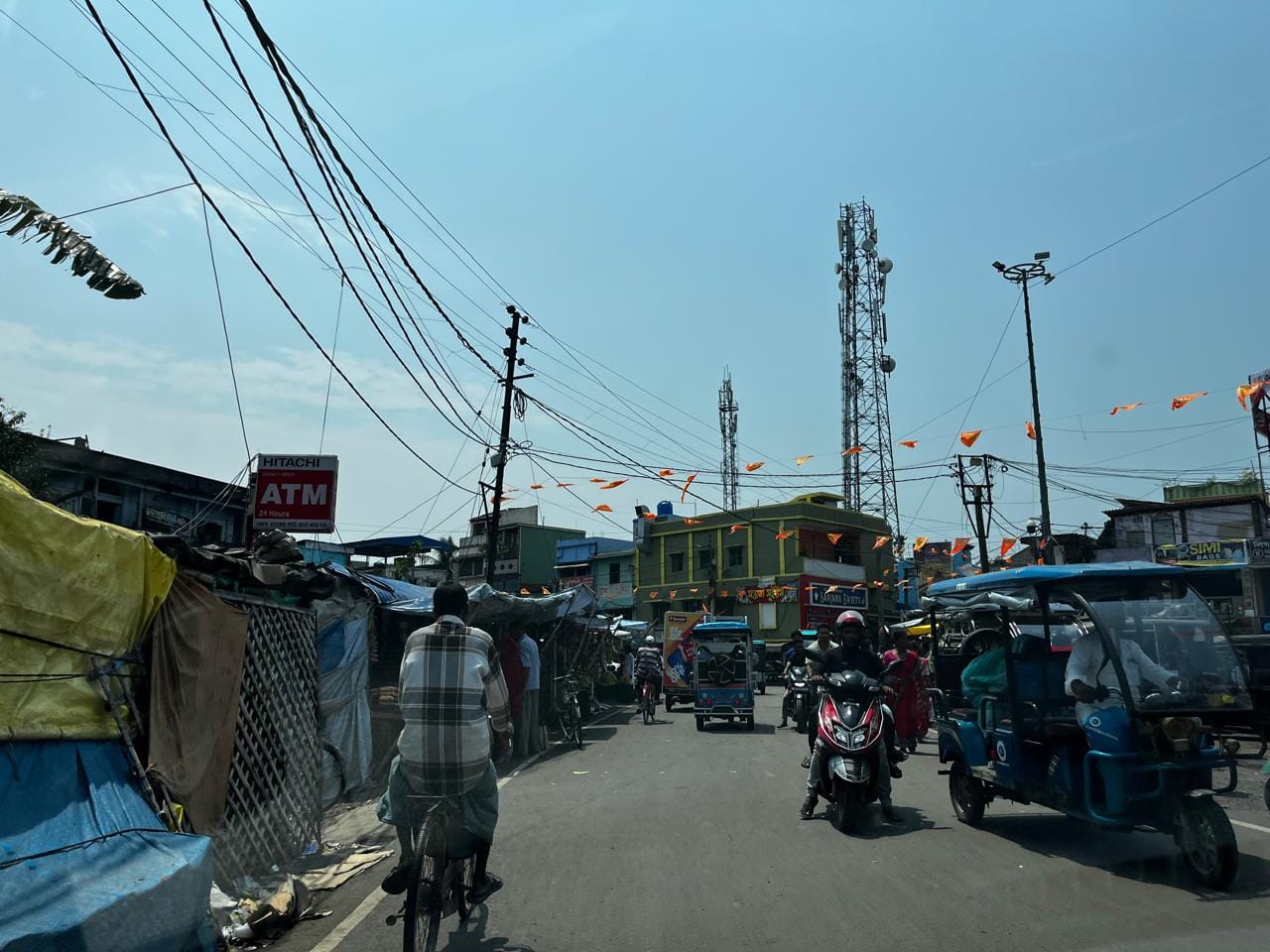
After the 2007 land acquisition agitation, Nandigram in the East Medinipur district has not seen any new industry. With hardly any employment avenues, most young people migrate to the city or outside the state in search of work.
Not many residents of Nandigram know about the shipbuilding and repairing hub. The politicians are also not talking about it here, where BJP’s Suvendu Adhikari is pitted against Trinamool Congress’ Pavitra Kar, who was a close aide of Adhikari. He switched to Trinamool Congress soon after elections were announced and was fielded from Nandigram.
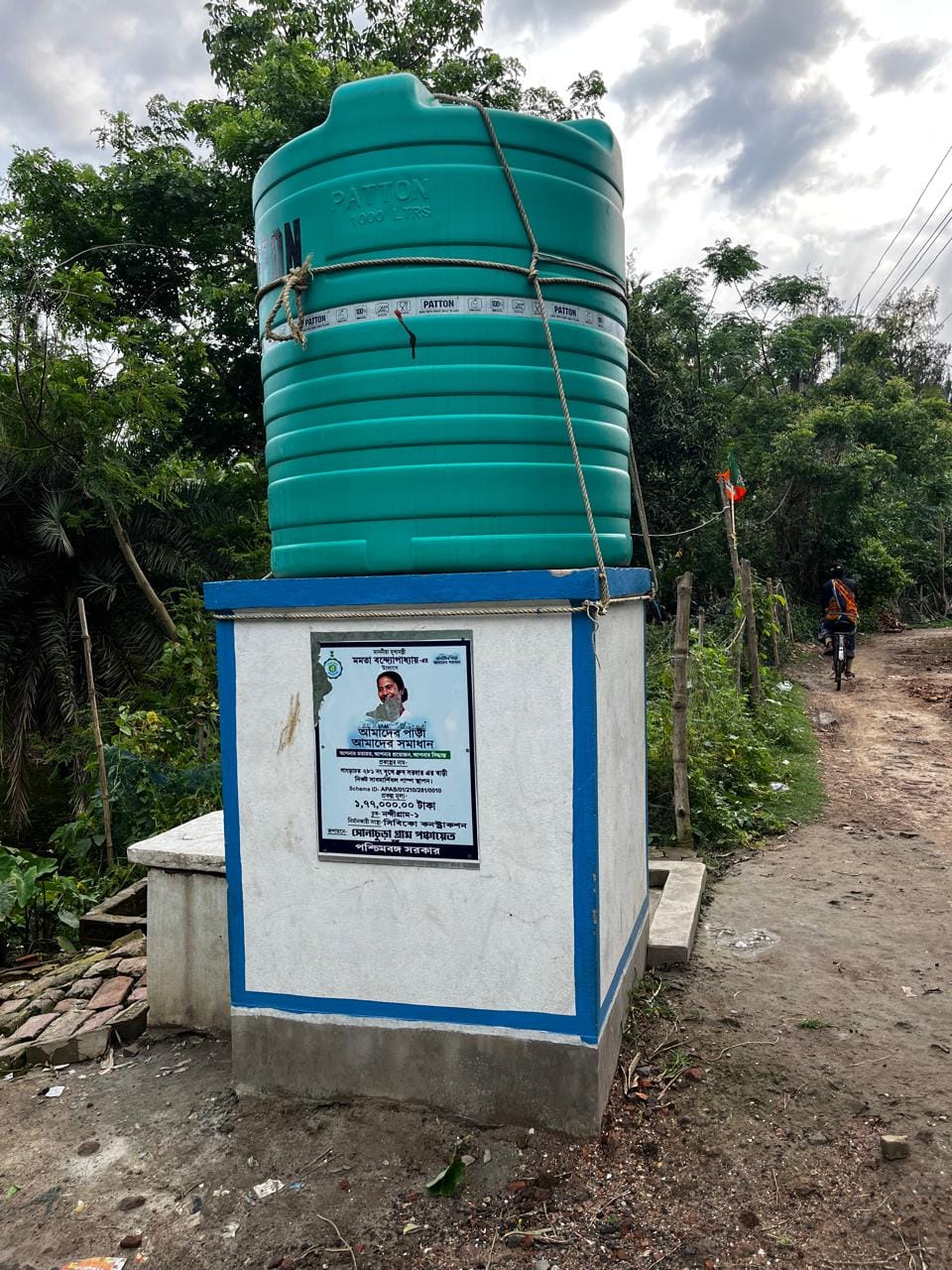
Residents of Nandigram are keeping their fingers crossed.
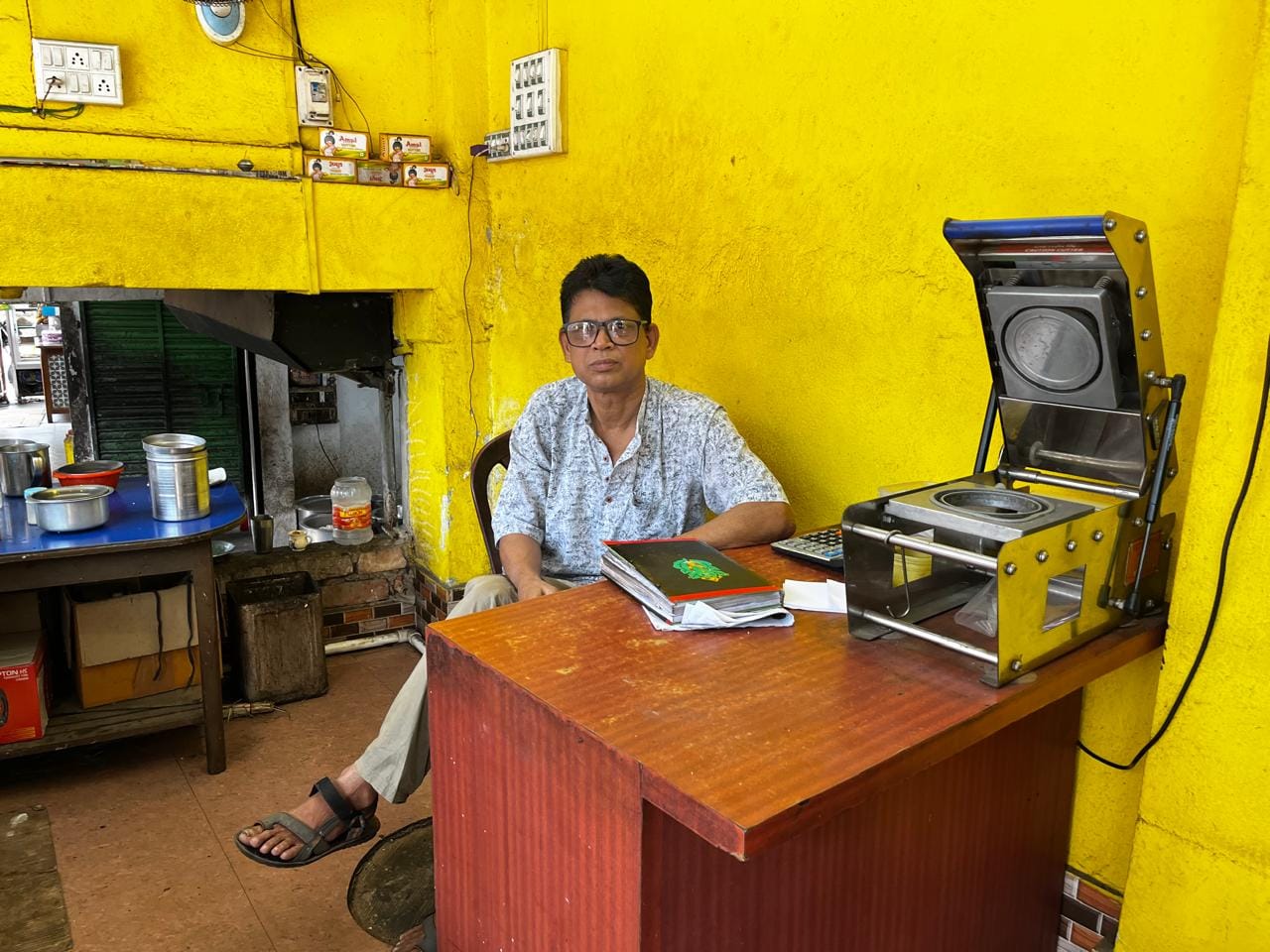
“I have heard about it (Jellingham project). But I will believe it only when it is completed. Once it starts, our livelihood will improve,” said Pintu Maity, a 25-year-old who works in a small restaurant in Nadigram bazaar.
Maity added that with hardly any good jobs available, he is thinking of sending his brother to Kolkata after he finishes his studies.
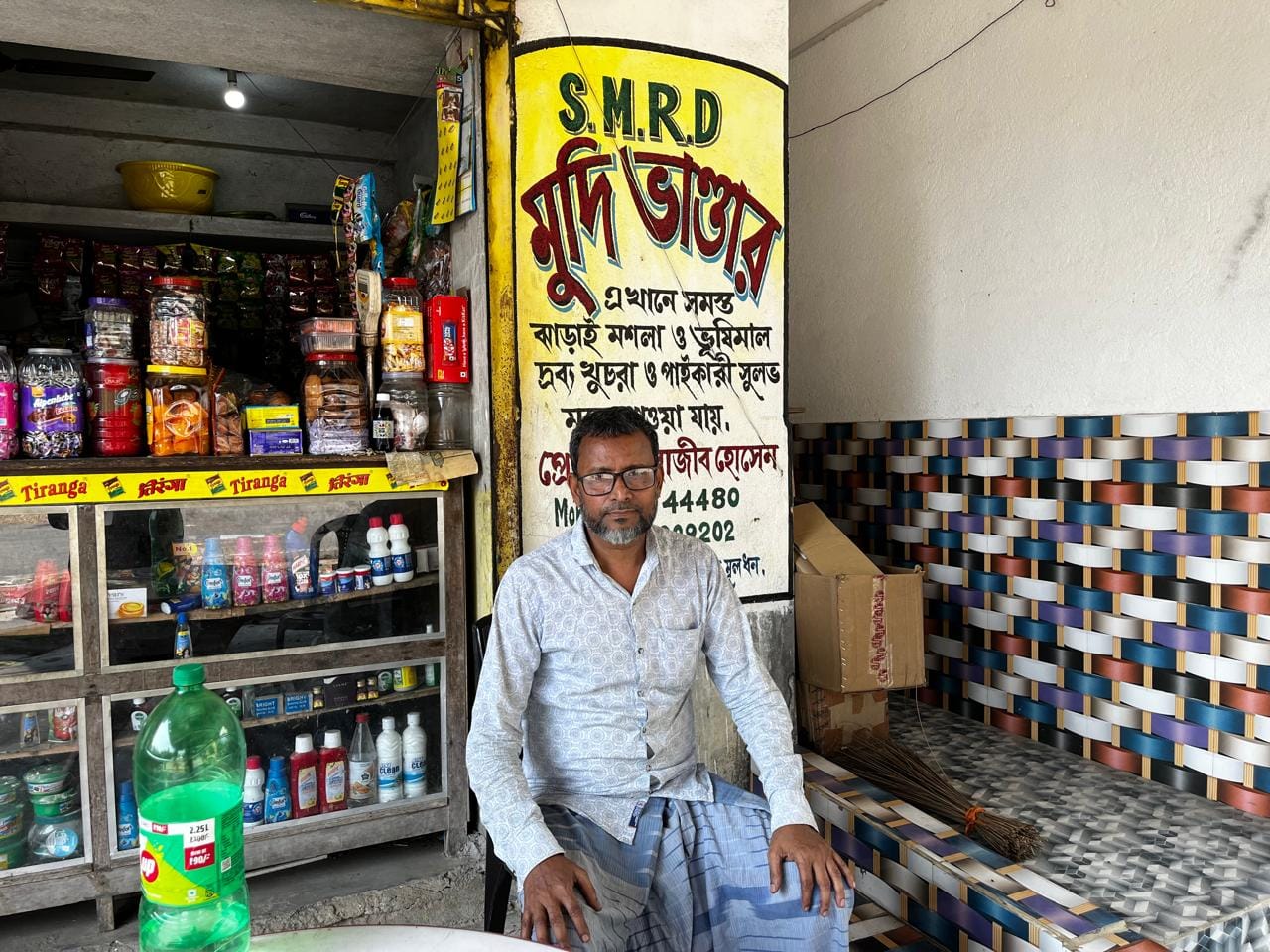
Once complete, the Jellingham shipbuilding and repairing hub will offer a ray of hope to people because of its potential to generate jobs, Amal Dutta, vice president of the Ripley Group, which is developing the project, told ThePrint.
“Currently, technical planning for the project is going on. We have applied for tree felling clearance from the state government for the Coastal Regulation Zone. Once all the regulatory clearances are in place and work starts, we plan to complete Phase I in 15 months,” Dutta told ThePrint.
Jellingham had fallen on bad times
The Jellingham shipbuilding and repairing hub coming up in Nandigram village is new.
But Jellingham isn’t new to industry. It used to have an oil well manufacturing facility developed and run by Burn Standard Company Ltd, which became a public sector undertaking (PSU) under the Department of Heavy Industries back in the 1980s.
Originally a wagon manufacturing company that came up in 1781, it was nationalised later.
In 1984, Burn Standard Company took 110 acres of high land and 20 acres of low land on a 30-year lease to fabricate, manufacture, and supply offshore platform decks and heli-deck components for ONGC.
The oil platform decks developed for ONGC were transported by cargo vessels and installed at Mumbai High, India’s largest offshore oilfield.
In 1993, the last oil platform was developed here. But consistent losses led to the company being declared financially sick in 1995. In 2010, when Mamata Banerjee was the railway minister, she brought Burn Standard under the railway ministry, providing it a brief fresh lease of life.
During this time, the company built a cargo ship at the yard for a private shipping company. But severe financial distress led the company to file for bankruptcy and initiate its own insolvency resolution process through the National Company Law Tribunal in 2017.
In April 2018, the Union cabinet approved its closure.
On 22 December 2020, the land was finally handed over by Burn Standard to the Kolkata Port Trust.
It took another four years before the Kolkata Port Trust invited a tender in August 2024 and awarded the project to Ganges Shipyard.
While the Jellingham Ship Building and Ship Repairing hub is being developed, another private company, Jellingham Engineering, has set up a small ship repairing unit next to it, which has been running since 2021.
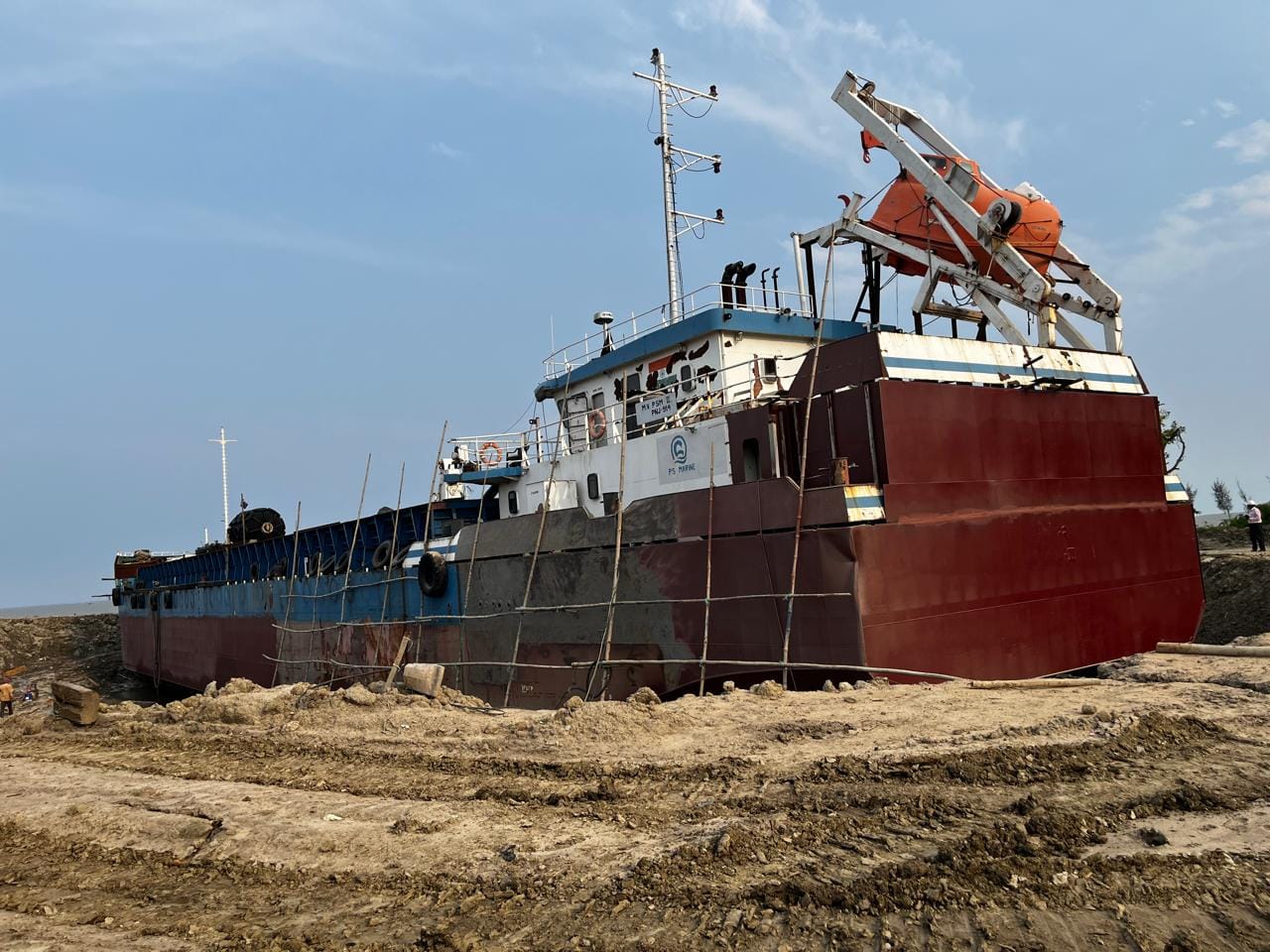
“Repair of small cargo and passenger ships is done here,” said an official at the site.
(Edited by Sugita Katyal)
Also Read: Adhir comeback & Humayun Kabir’s ‘Babri’ stir interest, but Bengal’s Muslims fear BJP gains
 20
20 584226
 20
20
 20
20