Around Town | Sharda Bhavan and Amba Bhavan: The 90-year-old Udupi restaurants in Matunga where four generations share a table | Mumbai News
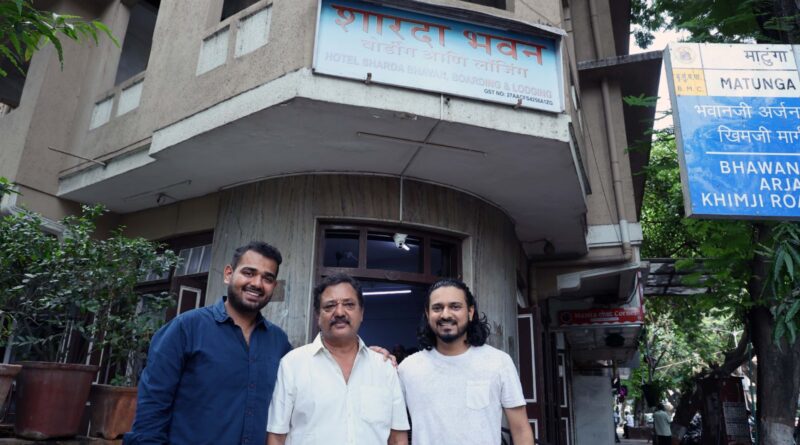
Three minutes from Matunga Station is a beautiful corner Art Deco building that hasn’t changed much since it was built. Sharda Bhavan sits on the ground floor. It opens at 7 am. Walk in any morning and you’ll find families, youngsters, middle-aged businessmen, older regulars, the occasional local politician — all of them eating idli, upma, vada and dosa, while talking about exams, gas prices, water shortages and politics.
The large windows with metal grills on both sides let the breeze through even in summer. The chairs are the originals. Imported from Poland, they cost Rs 60 a dozen. “Back in the day, all restaurants, whether Parsi, Irani or us, had these chairs,” said Ganesh Rao, a simple gentleman in his 60s, who alongside his cousin Sunder Rao represents the second generation running this 90-year-old eatery. “The seller would throw them from the first floor to show how durable they were,” he laughed. The family has restored them over the years, but finding someone who can repair them today has become increasingly difficult.

To understand why Sharda Bhavan still feels frozen in time, however, one has to look at Amba Bhavan. The stories of the two restaurants — and the two families behind them — have been intertwined for nearly a century.
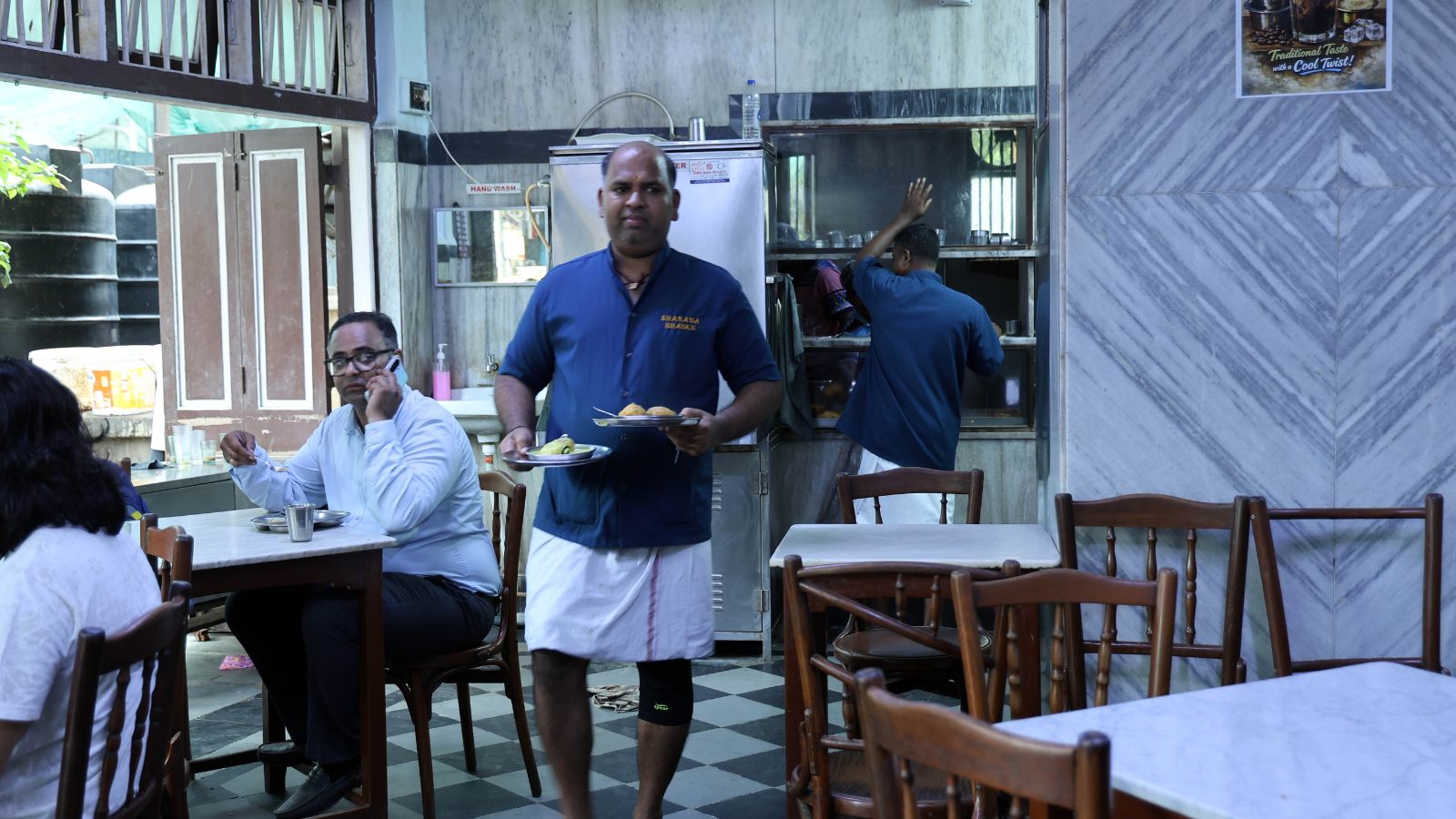 Inside Sharda Bhavan. (Express photo)
Raghavendra Rao and his wife’s cousin, Shankarnarayan Rao, arrived in Mumbai from Udupi sometime in the 1920s. By the time they reached the city, the little money they carried had been stolen. A South Indian family looking for a cook took them in and gave them work. The two men stayed for several years. When the owners eventually decided to sell the establishment, they bought it and named it Amba Bhavan Coffee House. They also added a mezzanine floor made from Burmese teak wood.
“This was the early 1930s, during British rule. Such names were common then,” explained Shripathi Rao, Raghavendra’s son, who now runs the restaurant alongside his brother, Sridhar Rao.
A few years later, in 1936 or 1937, the partners opened Sharda Bhavan in an Art Deco building near Matunga station. It operated as a restaurant on the ground floor and a lodging house above. The menu was simple: idli, vada, upma and dosa. Nearly nine decades later, both establishments continue to draw loyal crowds, serving food that has changed little in spirit even as Mumbai transformed around them.
Amba Bhavan has sold idli, vada and dosa from the very beginning. Its proximity to several temples has ensured a steady stream of devotees and South Indian families over the decades. One of its most cherished traditions is its rotating sweets menu. Every day of the week features a different sweet — Mohanpuri on Monday, Panpoli on Friday and Jangri (imarti) on Saturday.
Story continues below this ad
The restaurant also takes pride in preparing food in small batches. Upma is made just six or seven plates at a time, every coffee and tea is prepared fresh to order, and each vada is fried only after an order has been placed.
At Sharda Bhavan, the menu gradually expanded beyond the basics. Today it includes coriander dosa, a thick ulundu dosa made from urad dal, kadhi-vada and Mangalorean-style buns puri. The sambar follows the Udupi Brahmin tradition and is not sweet. Almost everything on the menu, except the masala dosa filling, is Jain-friendly. “We have a lot of Gujarati customers,” said Ganesh.
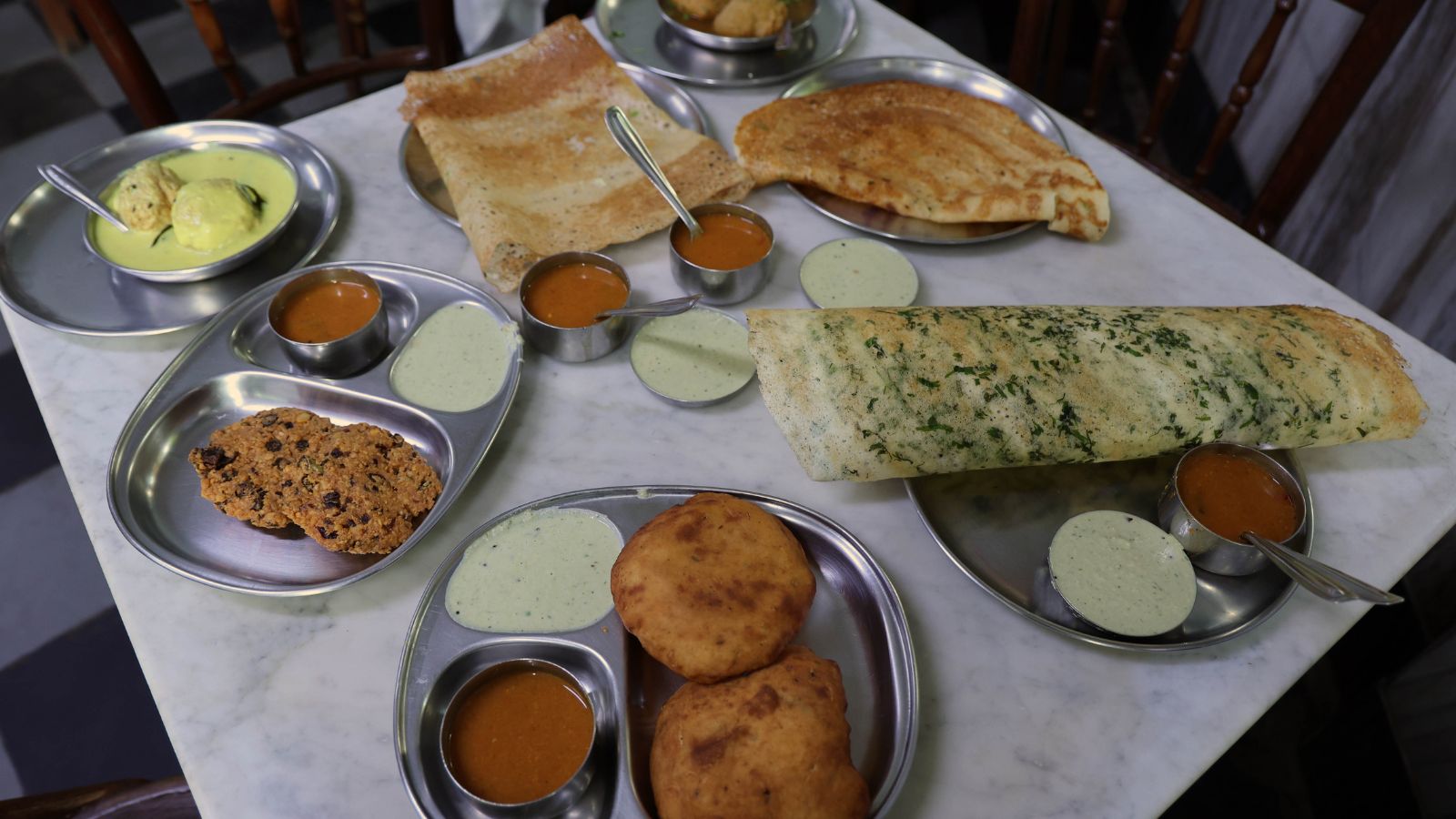 The signature items at Sharda Bhavan include Ulundu dosa, Coriander Dosa, Vada, idli and Upma. (Express photo)
For decades, two rooms upstairs served lunch thalis, a practice that ended around the Emergency. Since then, only snacks have been served. The operating hours have changed too. The restaurant once opened at 5.15 am and closed at 8.30 pm. Today it runs from 7 am to 8 pm, with a three-hour afternoon break.
Freshness remains non-negotiable at both establishments. At Sharda Bhavan, batter is prepared twice a day, in the morning and afternoon. The sambar masala is ground fresh every day. After 6.30 pm, food preparation stops. Any remaining sambar and chutney are sold in the evening to neighbourhood residents, many of whom buy batter from nearby shops and pair it with accompaniments from the restaurant. Nothing is carried over to the next day.
Story continues below this ad
Till last month, a plate of idli at Sharda Bhavan cost Rs 65. This month, it went up to Rs 70. “Gas prices,” said Ganesh, adding that it remains one of the most affordable options in the neighbourhood.
The restaurants’ customer base stretches across generations. Ganesh speaks of taxi drivers, students and families who have been visiting for decades. “Sometimes we see four generations at a table,” he said. “Sometimes people who came here as students bring their grandchildren and tell us this place was feeding them back then, when everything cost annas.”
The owners often sit down with customers and share a meal or a conversation. Many regulars have become friends. “So much so that they tell us not to worry about installing air-conditioning because they’ll keep coming anyway,” Ganesh said.
Over the years, the restaurants have hosted politicians and celebrities including Raj Thackeray, Nitin Gadkari, Shashi Kapoor, Mahesh Bhupathi and Lara Dutta. There are no framed photographs on the walls to commemorate the visits. At both establishments, everyone is treated the same, as family.
Story continues below this ad
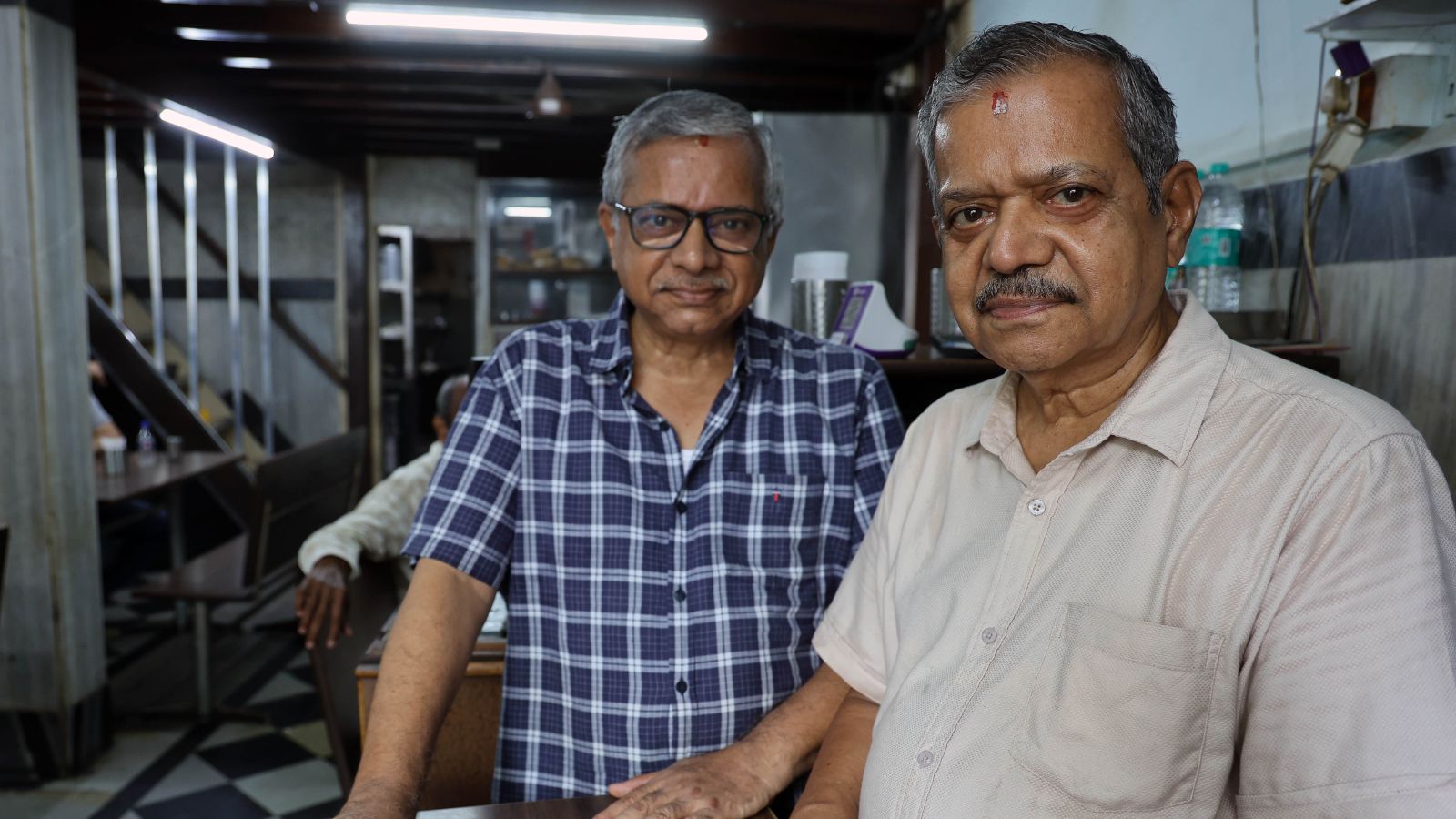 Sridhar Rao (L) and Shripathi Rao run Amba Bhavan Coffee House. (Express photo)
The attachment customers feel to the restaurants often surprises even the owners. Ganesh recalls a woman who once took home a coffee tumbler. Twenty-five years later, she returned it. “She had carried it all the way to America,” he said. “Now it is in our home,” added his son, Ravi Rao, 30.
The partnership between the two families has now crossed nine decades. Kailash Rao, 35 — Raghavendra’s grandson and Sridhar Rao’s son — describes the relationship simply.
“Till the time my grandfather was there, his word was final and he would always move with Shankarnarayan Rao by his side. In the 1980s, my grandfather passed away and since then Shankarnarayan Rao became the father figure in our house. Whatever he said, everybody agreed. The same tradition continues.”
“Trust is the most important thing in any partnership. We have it,” added Ravi.
Story continues below this ad
That trust extends beyond the families and into the dining rooms.
“Even when someone forgets their wallet, we feed them and tell them to pay the next day,” said Ganesh. “We don’t have a notebook. I tell them to remember it themselves.”
The third generation began joining the businesses part-time about a decade ago. They have introduced a handful of new ideas, including a cold filter coffee that was added a few months ago. But change comes slowly here. New items are quietly tested with younger customers before they make their way onto the menu. The foundations, however, remain unchanged: fresh food, enduring partnerships and the kind of trust that allows customers to walk in without a wallet and leave with a meal.
 20
20 584226
 20
20
 20
20