Flamingos return late to Mumbai Metropolitan Region, numbers drop sharply
3 min readMumbaiApr 18, 2026 09:50 PM IST
After a long time, flamingos have begun making their pilgrimage to the MMR in the past week. Months after their usual arrival time in winter, the pink flocks of Greater Flamingos and Lesser Flamingos are arriving in far fewer quantities than usual, with environmentalists and bird enthusiasts attributing the stray from the latter to climatic changes and the threats to their habitats.
The flamingo flocks have been spotted in Mumbai in the past week. In the last week, the pink flock has been spotted in the Thane Creek Sanctuary and the Bhandup Pumping Station. As the tide becomes high, the birds fly to the higher altitude wetlands in Navi Mumbai where there are waters like the TS Chanakya, NRI and DPS wetland, said environmentalist BN Kumar, director of the NGO NatConnect Foundation.

“Typically, the flamingos arrive from Gujarat in October-November in search of shallow waters and away from parts in Kutch which experience severe winters. But this time around, due to the extended monsoon, the flamingos spread themselves around Gujarat and stayed there,” said Kumar. “Now, as it has started getting warmer there, the flamingos have started arriving here where they have access to shallow waters and the microorganisms they feed on.”
Vidyasagar Hariharan, who runs the Instagram account @flamingosofMumbai noted this was the second time in a decade since he has been documenting the birds, that their arrival was so late. The last time they were late was in 2018, similarly due to an extended monsoon.
Both noted that the flamingos were far fewer in number. With over 2 lakh birds arriving in the MMR typically, this time around, Kumar estimated the number arriving were at 25,000. Hariharan noted a 30-40% drop in numbers than usual.
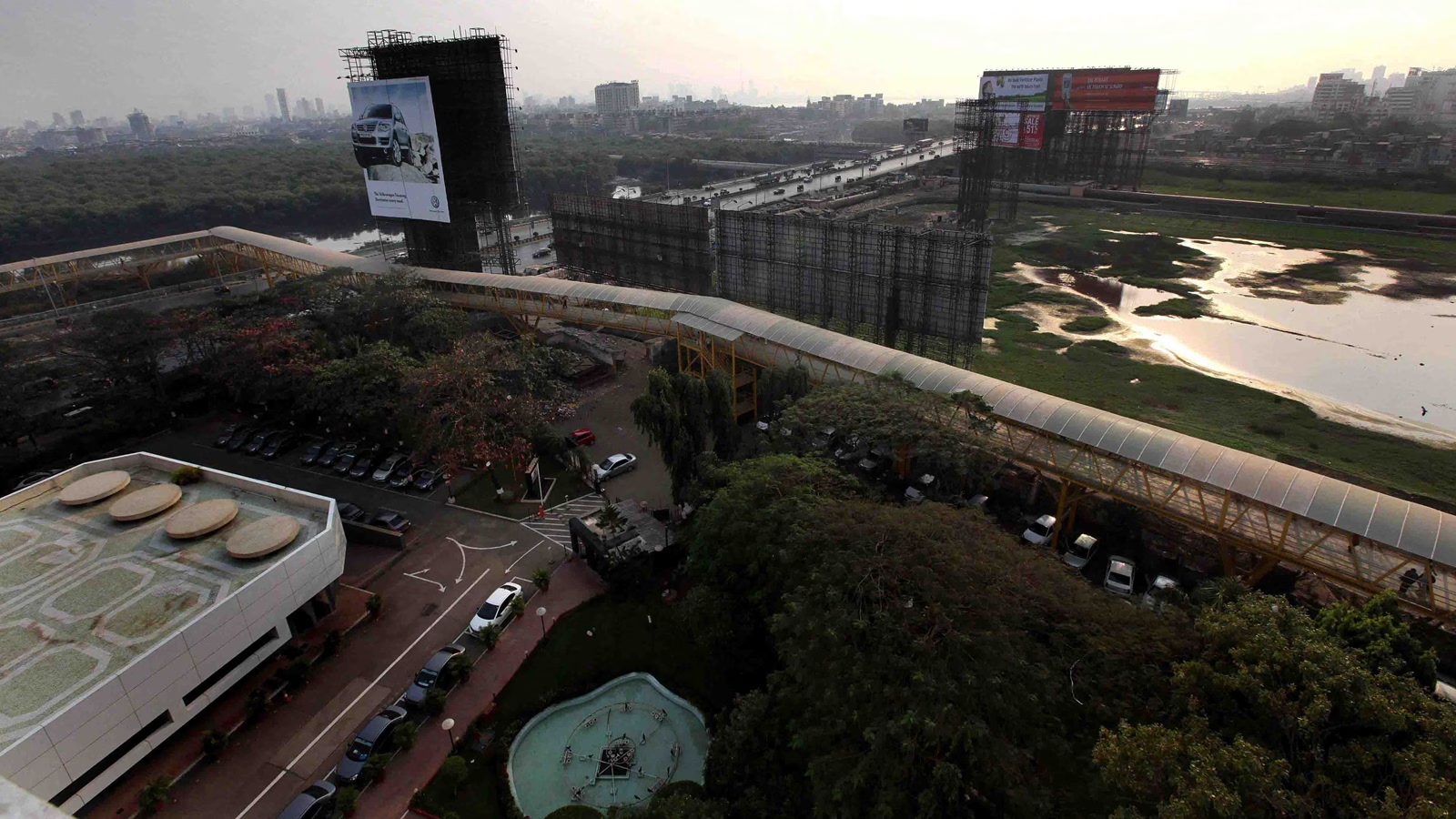
Another reason, however, for the flamingos’ aversion to the MMR is the rampant destruction of the wetlands and mudflats, the habitat of the flamingos. The environmentalists note pollution of waters, land filling of the wetlands, causing stagnation and excessive moss and algae.
“Wetlands in Navi Mumbai have increasingly been polluted, landfilled, and blocked, which has led to stagnant water and moss forming. When flamingos are not able to identify mud flats as they fly above, they tend to avoid those spots. This has led to fewer and fewer flamingos coming to the MMR,” said environmentalist Nandkumar Pawar, from the NGO Sagar Shakti.
Story continues below this ad
Kumar and Hariharan repeated this, although Kumar noted the Forest Department is currently doing a clean up of the DPS Lake.
Hariharan added, “In the last few years, as the wetlands in Navi Mumbai have started becoming more and more inhospitable to the birds, they have been going as far as Malad for the wetlands there.”
Most of the flamingoes will now depart in June, as the monsoon descends.
“Navi Mumbai has been crowned as Flamingo City. If this trend continues, we’ll be left only with flamingo statues,” said Kumar.


 20
20 584226
 20
20
 20
20