I’m a nutritionist: this is what I eat when I’m trying to lose weight
When clients come to me wanting to lose weight, they are often surprised to hear that it’s not about eating less of everything. In fact it’s about eating more of the right things, so weight loss is a side effect of feeling properly nourished.
As a nutritionist, if I feel like I’ve overindulged, or my clothes feel a bit snug, I don’t restrict. Instead I focus on a handful of foods that keep me full, support my blood sugar levels and help my body do the fat-burning it’s designed to do. Here’s are my top foods to eat when I’m trying to lose weight:
1. Eggs
What they are: A complete protein, eggs contain all nine essential amino acids alongside choline, vitamin D and B12.
Why I prioritise them: Protein is the single most important macronutrient for weight loss because it’s the most satiating, meaning it keeps us feeling full for longer than carbohydrates and fats.
Weight loss benefits: Research on protein-rich breakfasts shows that meals providing around 30g of protein reduce appetite and lower the amount eaten at the next meal compared with a lower-protein start to the day. Protein also has a higher ‘thermic effect,’ meaning your body burns more energy digesting it than it does digesting carbohydrate or fat.
How I eat them: Usually two eggs, scrambled or poached, with a pile of wilted greens or a side of sautéed mushrooms.
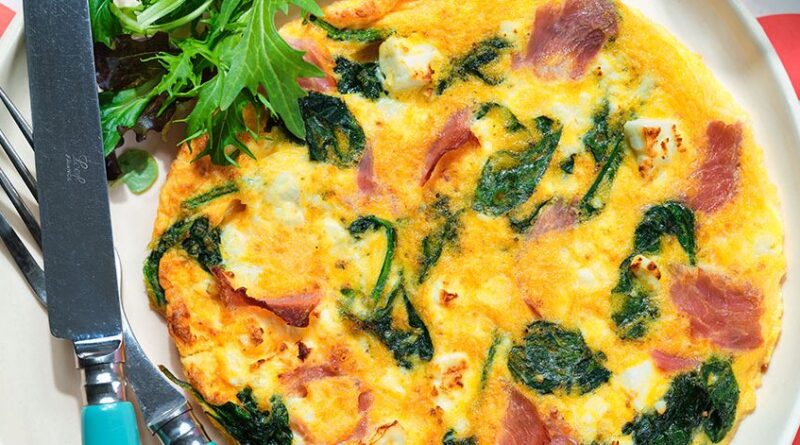
Easy ways to include them: Boil a batch at the start of the week for a quick snack, or swap your usual toast-only breakfast to include eggs. Add scrambled eggs to stir fries or rice, or make a simple frittata or omelette which can serve as a tasty lunch. Check out all our healthy egg recipes for more inspiration.

2. Greek yogurt
What it is: A strained, thicker yogurt with roughly double the protein of standard yogurt.
Why I prioritise it: It combines protein with live cultures that support gut health, and a healthy gut microbiome is increasingly linked to how efficiently we manage weight and blood sugar.
Weight loss benefits: A crossover trial in healthy women found that a higher-protein Greek-style yogurt snack in the afternoon reduced hunger and delayed the time until the next meal more effectively than a lower-protein alternative. The thick texture is also genuinely more satisfying than a thinner yogurt, so you’re less likely to go looking for something else an hour later.
How I eat it: Full-fat, plain, with a handful of berries and a scattering of nuts/seeds. I avoid the flavoured and sweetened types.
Easy ways to include it: With breakfast, as a snack or you can use it in place of mayonnaise in dressings and dips. We’ve got lots of Greek yogurt recipes to try.

3. Lentils and other pulses
What they are: Plant-based sources of protein and fibre, including lentils, chickpeas and beans.
Why I prioritise them: They’re one of the few foods that deliver both protein and fibre in one go, which is a powerful combination for appetite control.
Weight loss benefits: A review of pulse consumption and weight management found that beans, peas, chickpeas and lentils increase feelings of fullness after a meal, and that including them in the diet generally supports a beneficial effect on weight loss. Fibre also slows digestion and minimises blood sugar spikes, meaning steadier energy and fewer cravings.
How I eat them: Added into soups and stews, or as a base for a big salad with roasted vegetables and another protein source such as grilled chicken or halloumi.
Easy ways to include them: Bulk out a meat-based bolognese or chilli with a tin of lentils or beans as a way to eat less meat and more fibre without trying.

4. Oily fish
What it is: Salmon, mackerel, sardines and similar fish rich in omega-3 fatty acids.
Why I prioritise it: Omega-3s have an anti-inflammatory effect, and chronic low-grade inflammation is increasingly recognised as a factor contributing to weight gain.
Weight loss benefits: Research into omega-3 and metabolic health suggests these fats may help improve body composition by increasing metabolic rate, by calming the low-grade inflammation linked to fat storage. The protein content also supports satiety.
How I eat it: Grilled or baked with a squeeze of lemon, alongside a generous portion of mixed roasted vegetables or steamed greens.
Easy ways to include it: Keep a few tins of sardines or mackerel in the cupboard for a five-minute lunch on toast or in a salad. Tinned fish counts just as much as fresh.

5. Berries
What they are: Blueberries, raspberries, strawberries and blackberries. All naturally lower in sugar than most other fruits.
Why I prioritise them: They satisfy a sweet craving while delivering a big hit of fibre and antioxidants for relatively few calories.
Weight loss benefits: Reviews of berry polyphenols suggest these plant compounds can help moderate blood sugar responses after eating. Combined with their fibre content, this helps you avoid the blood sugar rollercoaster that can leave you reaching for something else soon after.
How I eat them: Piled on top of Greek yogurt, or frozen and blended into a smoothie with milk and a spoon of nut butter.
Easy ways to include them: Keep a bag of frozen berries in the freezer, they’re just as nutritious as fresh and mean you’ll never run out of a healthy pudding option.

6. Leafy greens
What they are: Spinach, kale, rocket and other dark green vegetables.
Why I prioritise them: They’re extremely low in calories but high in volume, fibre and micronutrients, so you can eat a large plateful without the calorie cost of a large plateful of other foods.
Weight loss benefits: A pilot study on fibre-rich diets found that increasing the weight and fibre content of meals, while reducing their calorie density, reduced self-reported hunger while increasing fullness and weight loss over a four week period. Bulking out meals with greens works on the same principle. Our brains respond to how much we’ve eaten, not just the calories consumed.
How I eat them: Wilted alongside eggs, blitzed into a soup or as the base of most of my salad lunches.
Easy ways to include them: Add a handful of spinach to anything; a curry, a pasta sauce, a smoothie. It wilts down or blends in without changing the flavour much.

7. Nuts
What they are: Almonds, walnuts, cashews etc – a source of healthy fats, protein and fibre.
Why I prioritise them: Despite being calorie-dense, research consistently shows regular nut-eaters don’t gain the weight you’d expect, likely because of how satiating and slowly digested they are.
Weight loss benefits: A large prospective study following women over eight years found that higher nut consumption was not associated with greater weight gain. If anything, it was linked to a slightly lower risk of gaining weight or becoming obese. A small handful provides enough protein and fat to genuinely stave off hunger between meals, which prevents the blood-sugar dip that often triggers reaching for biscuits or crisps.
How I eat them: A small handful, unsalted, as an afternoon snack, or scattered over salads for crunch.
Easy ways to include them: Pre-portion them into small pots so you’re not eating straight from a big bag. Otherwise, it can be easy to underestimate how much you’ve had.

8. Water
What it is: The simplest one on this list, and often the most overlooked.
Why I prioritise it: Thirst is commonly mistaken for hunger, and even mild dehydration can affect energy levels and concentration, making healthy choices harder to stick to.
Weight loss benefits: A randomised controlled trial in middle-aged and older adults found that those who drank water before meals as part of a reduced-calorie diet lost around 2kg more over 12 weeks than those following the same diet without the water instruction. Staying well hydrated also supports every metabolic process.
How I drink it: A large glass first thing in the morning, and a glass before each meal.
Easy ways to include it: Keep a bottle on your desk or in your bag. If it’s visible, you’ll drink more of it without having to think about it.

My most important tip
None of these foods work as a magic bullet on their own. The real shift happens when they replace the ultra-processed, lower-fibre foods that leave you hungry again within an hour. I never think in terms of ‘forbidden’ foods; I simply try to make sure that most of what’s on my plate is nourishing me, most of the time. That’s what makes it sustainable, rather than a ‘diet’.
Enjoyed this? Now read…
All about weight loss
How many calories to lose weight?
Top 10 fitness foods
What to eat for a workout
 20
20 584226
 20
20
 20
20