
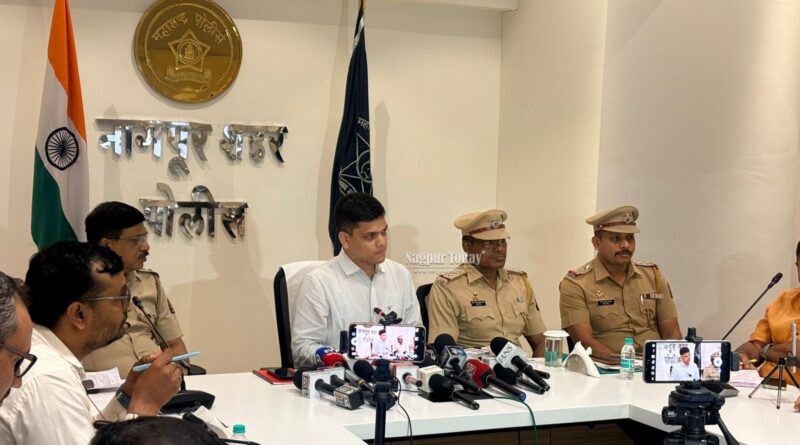
Fake loan app racket busted: Nagpur Cyber Police arrest interstate accused
Advertisement

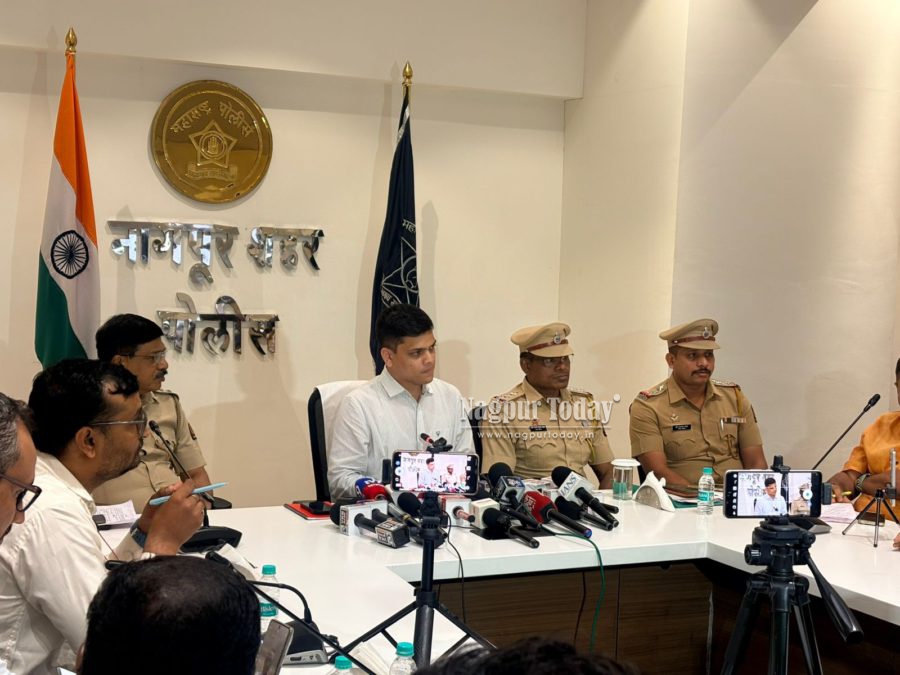 Nagpur: A probe by the Nagpur Cyber Police into a fake instant loan application has uncovered an interstate cyber extortion racket that allegedly trapped thousands of unsuspecting users by offering quick loans, stealing their personal data, morphing their photographs into obscene images and blackmailing them into paying money.
The investigation has so far led to the arrest of a 31-year-old suspect from Berasia in Madhya Pradesh’s Bhopal district and exposed what investigators believe is a well-organised cyber syndicate operating across multiple states.
According to police, the case came to light after a Nagpur resident lodged a complaint alleging that he had been duped through an instant loan application named ‘Mast Money’, which was available on the Google Play Store and falsely projected itself as an RBI-approved lending platform to gain the confidence of users.
Gold Rate
July 08 ,2026 – Time 10.30Hrs
Gold 24 KT
₹ 1 44,200 /-
Gold 22 KT
₹ 1,33,800 /-
Silver/Kg
₹ 2,26,200/-
Platinum
₹ 88,000/-
Recommended rate for Nagpur sarafa Making charges minimum 13% and above

Investigators said the app lured victims by promising instant, hassle-free loans after collecting sensitive personal information, including Aadhaar details, PAN card particulars and photographs. Once the data was uploaded, small loans were sanctioned to create legitimacy. The operation, however, allegedly took a sinister turn thereafter.
Police said the accused allegedly downloaded victims’ photographs, digitally morphed them into obscene images and threatened to circulate them among relatives, friends and social media contacts unless additional payments were made. Victims were allegedly subjected to relentless intimidation and extortion through phone calls and online messaging platforms.
Advertisement

During the investigation, cyber experts carried out an extensive technical analysis of the application’s digital infrastructure, communication channels and transaction records. The digital trail ultimately led investigators to Berasia in Madhya Pradesh, where they arrested Kamil Siddiqui (31).
During the operation, police seized a OnePlus Nord 2 smartphone and a Dell Latitude 5420 laptop, collectively valued at around Rs 1 lakh. Preliminary examination of the electronic devices reportedly revealed software used for remote access and management of digital operations, indicating that the accused may have been handling victims and coordinating activities online.
Investigators have also obtained details of Telegram groups allegedly used by the syndicate for internal communication, besides analysing bank accounts and UPI transaction trails suspected to be linked to the racket.
Police believe the arrested accused was part of a larger interstate network and are now working to identify other members of the syndicate, including its alleged masterminds. The seized electronic devices have been sent for forensic examination to recover deleted data and gather further digital evidence.
The investigation has also revealed the alarming reach of the fraudulent application. According to police, the ‘Mast Money’ app had been downloaded by nearly 5.32 lakh users across the country before it came under the scanner.
Of these, around 2.98 lakh users reportedly uninstalled the application after becoming suspicious. However, investigators found that the app was still active on nearly 2.34 lakh mobile phones, exposing a large number of users to the risk of financial fraud and digital blackmail.
Following the investigation and reports that the application was being used for fraudulent activities, the app was removed from the Google Play Store.
Police estimate that if each active user had been defrauded of an average of Rs 10,000, the app could have facilitated financial fraud amounting to nearly Rs 234 crore. Officials claim that the removal of the application from the Play Store has potentially prevented losses of that magnitude and protected lakhs of unsuspecting users from falling victim to the racket.
The operation was carried out by the Nagpur Cyber Police under the guidance of Police Commissioner Vishwas Nangre Patil. Investigators said efforts are continuing to dismantle the entire network, identify its financial beneficiaries and trace the interstate links of the cyber syndicate.
Advertisement

 20
20 584226
 20
20
 20
20