Why BMC is betting on Rs 75 crore dust-suction vehicles to clear the air | Mumbai News
2 min readUpdated: Apr 4, 2026 01:41 PM IST
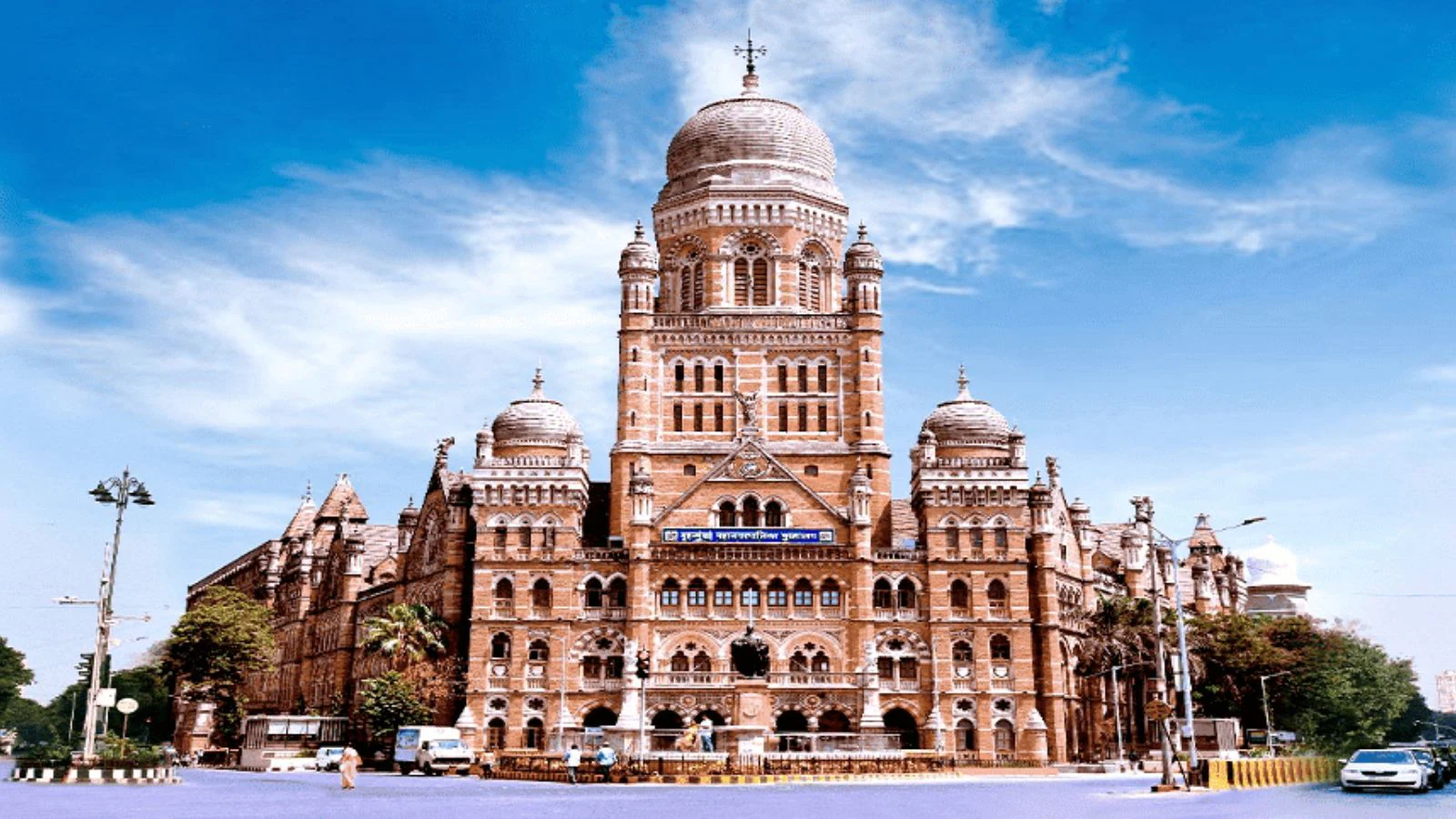
The Brihanmumbai Municipal Corporation (BMC) is set to replace its existing fleet of mist-spraying vans with dust-suction vehicles to reduce road dust in Mumbai.
The mist-spraying vehicles are vans with mounted cannons that spray water to mitigate suspended particulate matter in the air that contributes to air pollution. These vehicles were introduced in Mumbai in 2023 when the city was reeling under high pollution levels.

The dust-displacement vehicles, which the BMC is now acquiring, are battery-mounted and will be equipped with a dust suction machine, brooms, and mist-spraying cannons. Officials said that initially, a fleet of 12 vehicles will be deployed at a cost of Rs 75 crore. The contract cost will also include operation and maintenance charges for two years.
“These machines will be deployed at areas like Bandra Kurla Complex (BKC), and Western Express Highway (WEH) that record high vehicle flow. The idea is to keep the dust displacement under control during the winter. Usually, during the winter season, the wind speeds are low, due to which the particulate matter lingers in the air for a longer period of time, increasing the pollution level,” a civic official said.
These vehicles will have sweepers attached to them, which will collect the dust particles and store them in an in-built chamber. These chambers will be transported to a waste collection van after they reach full capacity. Following this, the vans will transport the dust to the BMC’s debris processing centre.
“The vehicles will have sprinklers, which will spray water or mist whenever the pollutant level goes up. Hence, there is no reason to have standalone mist-spraying vans,” the official added.
Civic authorities have floated a tender for acquiring these vehicles and are in the process of finalising the bidders.
Story continues below this ad
In 2023, the BMC had released the Mumbai Air Pollution Mitigation Plan, under which authorities identified road dust to be a primary source of air pollution in Mumbai, followed by vehicular emission, garbage burning, and smoke emitted from roadside eateries and bakeries.
Over the past three years, Mumbai has consistently been recording bad air quality days, especially due to the various ongoing infrastructure and construction projects.