Mumbai’s lost lakes set for revival amid rising climate extremes
At a time when Mumbai is experiencing extreme climate events like heat wave and relentless waterlogging during the monsoon, the Brihanmumbai Municipal Corporation (BMC) administration has floated a proposal to carry out a survey and identify the number of natural lakes in the city that exists today.
The move comes at a time when Mumbai is witnessing a series of redevelopment and infrastructure work due to which many natural water bodies including lakes and ponds have been either reclaimed or filled to make available land for development leading to loss of ecological biodiversity. Meanwhile according to the experts the natural lakes play a key role in micro climate moderation by lowering the temperature in urban areas, mitigating the urban heat island effect.

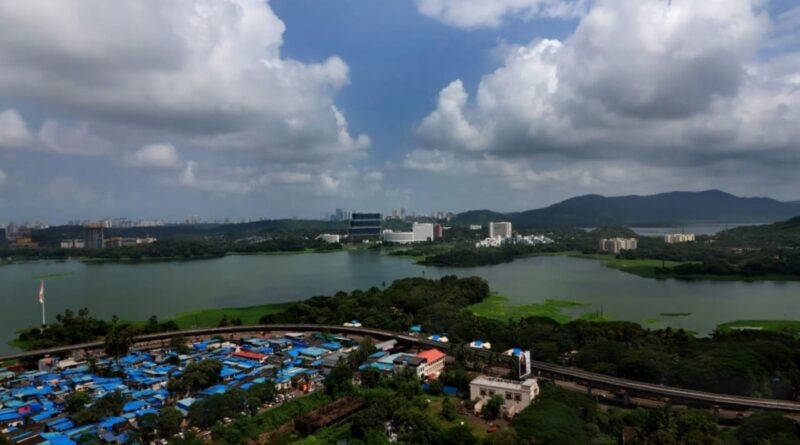
At present, some of the key lakes that exist in Mumbai include the Tulsi lake, Vihar lake, Powai lake, Sion Talao, Bandra Talao, Banganga Tank among others. Of these, the Tulsi and Vihar lakes supply potable water to Mumbai daily.
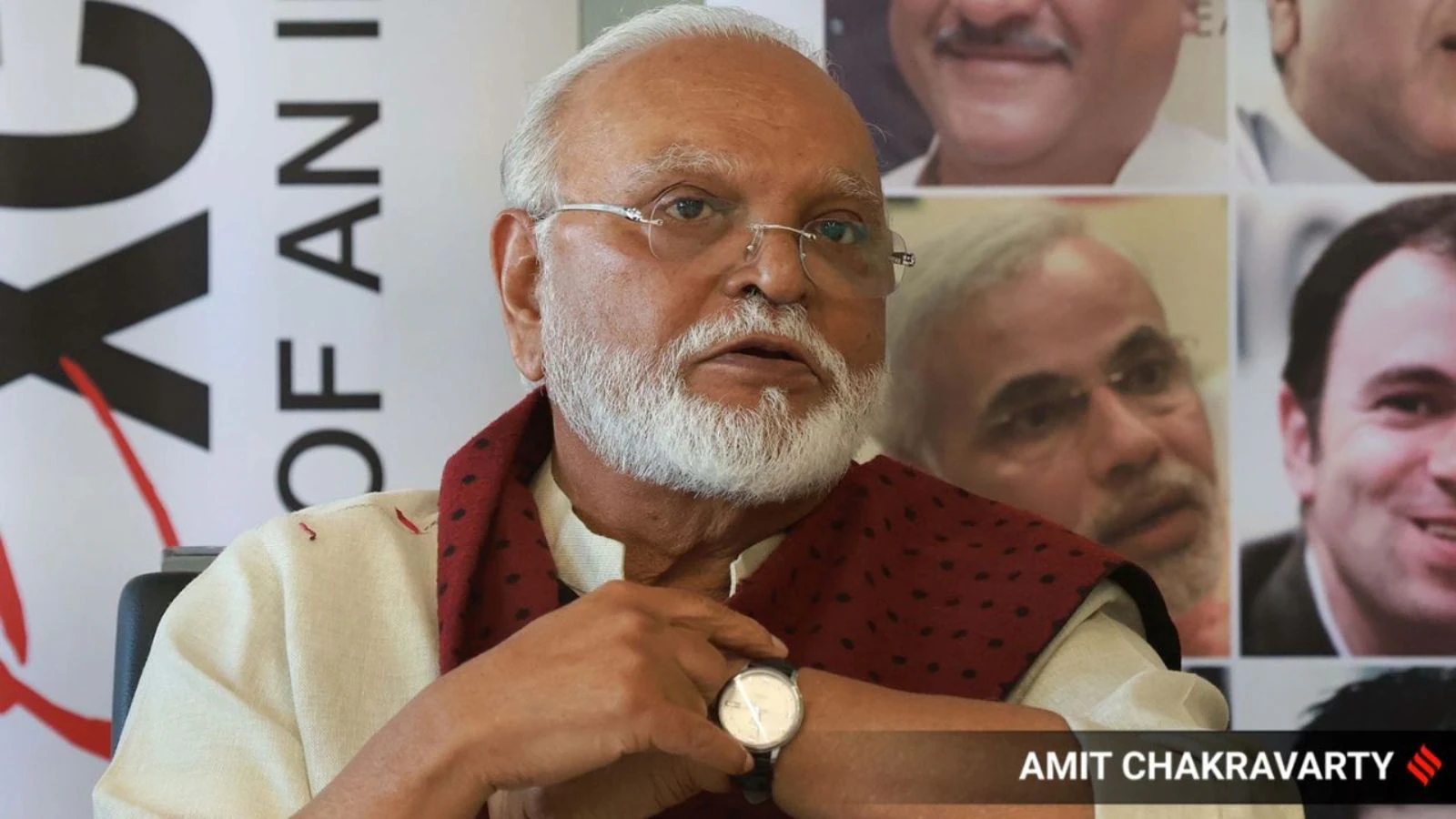
“The overall drive will be a multi stage drive. In the first stage, we will identify the locations in our own city plan where natural water bodies are marked. Then we will carry out a survey to identify the present condition of these water bodies. If they still exist, then they will be rejuvenated and developed into blue zones of Mumbai,” Avinash Dhakane — additional municipal commissioner told the Indian Express.
He said that the primary objective behind this project is to find the lost lakes to ensure that the urban heat effects are restored along with ecological sustainability. Dhakane also maintained that the larger plan is to upscale the city’s overall urban infrastructure by rejuvenation of these water bodies to make open spaces more accessible for people.
“At present, the project is in the planning stage. Once we develop the entire modus-operandi, the project proposal will be drafted following which a tender will be floated to appoint consultants for this project,” he added.
The lost lakes of Mumbai
Meanwhile civic officials said that in Mumbai’s Development Plan (DP) 1991 and 2034, there were 300 lakes likely in Mumbai. However, in the last three decades due to various infrastructure and real estate projects, several lakes were reclaimed and filled by the authorities.
Story continues below this ad
According to a survey report carried out by the World Wide Fund for Nature or WWF, 129 sites were identified via satellite imagery as potential sites for natural lakes in Mumbai. However, the survey states that out of the total sites, natural lakes could be found in only 68 locations, while 17 locations stayed inaccessible. Furthermore the report also stated that several areas were found to be dug up as foundation pits where construction works had begun when the survey had begun.
Furthermore, the survey stated that out of the total lakes that exist in Mumbai, 36 are medium sized, 23 are small, 6 are large, while 3 are very large.
“Earlier Mumbai used to have several natural water bodies in every pocket and till the middle of the 20th century people were largely dependent on these lakes for their daily sources of water as pipelines hadn’t reached many places in the suburbs. However after the real estate boom began during the 1980s, many of these lakes were filled. Also, many of these lakes were labelled as potential breeding spots for mosquitoes and were reclaimed to prevent spread of malaria,” an official said.
Environmental advantage
Meanwhile, experts also maintained that if the natural lakes are identified and rejuvenated it will help create mitigation measures against flooding in Mumbai.
Story continues below this ad
“Lakes serve as heat sinks, moderating the temperature levels of the space where they are located. At present, the overall temperature of Mumbai has seen a rise largely due to urban heat effects of concreting work. The lakes will be able to control them,” Dr. Shashank Joshi, a hydrological expert and researcher told Express.
“Lakes are also a crucial ecosystem and act as natural water cycle regulators. They act as sponges absorbing excess rainfall water, preventing overflow of rain water and also act as water catchments, thus avoiding water logging during the dry weather period,” Joshi added.
The plan at a glance :-
To identify, rejuvenate and restore lost natural lakes in Mumbai
How many potential natural lakes are there in Mumbai — As per BMC’s DP report — 300 (approximately)
What does the WWF report state ?
Story continues below this ad
Potential areas of natural lakes as per satellite imagery :- 129
Locations where natural lakes actually existed :- 68
Types of the existing lakes as per the report :-
Small :- 23
Medium :- 36
Large :- 6
Very Large :- 3
Some key advantages of having lakes in natural environment :-
1. Climate regulation
2. Flood Mitigation
3. Biodiversity hotspots
4. Water purification and cycling
5. Groundwater recharge
6. Erosion control
Some key lakes in Mumbai :-
1. Tulsi
2. Vihar
3. Powai
4. Sion
5. Banganga Tank
6. Mahim Talao
7. Bandra Talao