Mumbai restaurant prices rise 10–20% amid LPG shortage: What’s costlier now
The arithmetic of running a kitchen on scarce and expensive fuel is becoming harder to ignore across the city. The cost of the crisis, absorbed quietly for weeks, is beginning to appear on the bills.
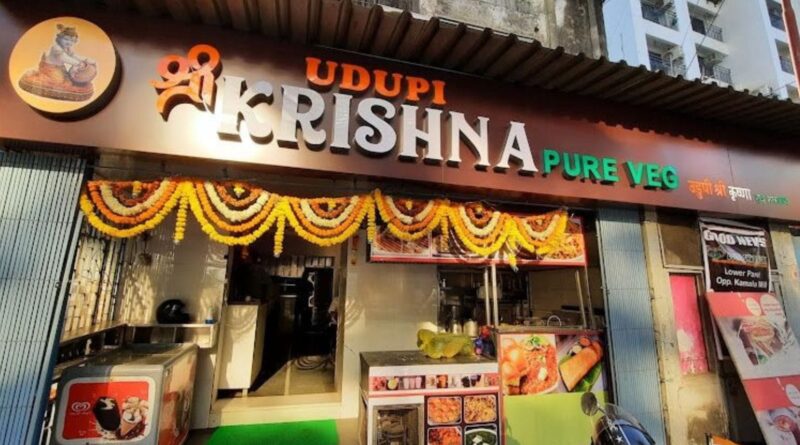
Vijay Shetty, owner of Udupi Shri Krishna in Lower Parel and president of the Indian Hotel & Restaurant Association (AHAR), said that the majority of Mumbai’s eateries have already increased prices by 10 to 20 per cent.
“Vegetables, edible oil, plastic containers for delivery, the induction stoves many had to purchase overnight — all have added up,” he said, adding that majority of their members that include QSRs, vegetarian restaurants, permit rooms and fine diners, have increased the price.
The crisis began quietly. On March 5, a government circular asking oil marketing companies to ensure that LPG is supplied solely to domestic consumers triggered hoarding, black marketing, and a supply crunch.
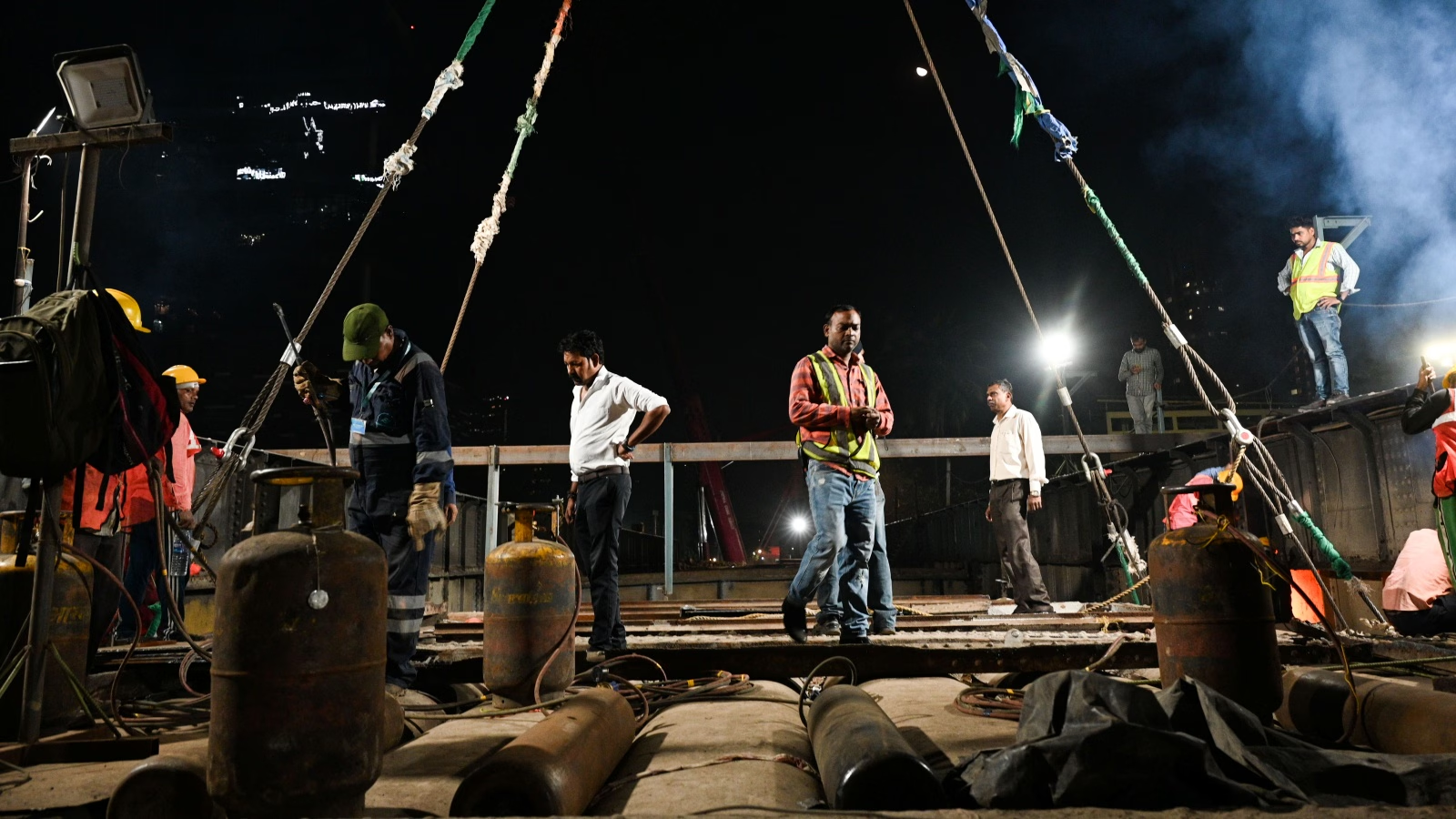
Restaurants of all shapes and sizes, from fine dining establishments to small neighbourhood eateries, and bakeries that were compelled by court order to give up their wood-fired ovens last year — all found themselves suddenly without fuel. The cost of a cylinder in black market shot up to Rs 4,000 or above. Most chose to absorb the cost for as long as they could. That period is now ending.
At Udupi Shri Krishna, a go-to lunch spot for office-goers in Kamla Mills, prices went up 20 per cent. Veg Sandwich, earlier priced at Rs 70, is now available for Rs 90; Pav Bhaji has gone up by Rs 15 and Cheese Pav Bhaji by Rs 20 and Uttapam by Rs 15.
The situation, Shetty says, has improved, but not enough. He gets one or two cylinders a week against a daily requirement of one. “Even 20 per cent of our requirement is too little, we need that much just for making staff food,” says Shetty. His menu has been reduced by 30 per cent. Dosa is unavailable at Udupi Shree Krishna and many other places across the city.
Story continues below this ad
The frustration runs deeper than logistics. “During the pandemic, restaurants were designated essential services. This time, that recognition has not come even though lakhs and lakhs of people rely on us for their day-to-day meals,” said Shetty.
The government is placing an urgent emphasis on the adoption of Piped Natural Gas (PNG) over Liquefied Petroleum Gas (LPG) in urban areas. Responding to it, AHAR has set up a camp at its Wadala office, helping restaurant owners apply for PNG pipeline connections.
“We have been told that those who would apply for the connection will get cylinders on priority in the interim,” he said.
At Aram Vada Pav in CSMT, the prices haven’t moved yet, but the decision is already made. From April 13, everything goes up by 7 to 10 per cent. Kaustubh Tambe, 55, the third generation running the business, said, “Oil has gone up by Rs 100 to Rs 125 in a month. Coal, which we have switched to out of necessity, has gone from Rs 38 to Rs 60.” Last week they received four cylinders against a daily requirement of two.
Story continues below this ad
The menu has been shortened in ways that feel personal to anyone who knows the place. “There is no mirchi with the vada pav. No upma. No upvas missal,” said Tambe.
At 118-year-old American Express Bakery, the ovens — electric and diesel-run — have kept the baking process going on, but the fillings for puffs and sandwiches require gas. It is a challenge as they are getting one cylinder every 20 to 25 days. “We have stopped taking bulk walk-in orders and cut down production by about 30 per cent,” said Yohann Carvalho, who represents the fourth generation manning the business. Breads and core items will hold their prices, but “we will have to increase the prices for puffs and sandwiches by 10 to 15 per cent, likely from mid to end of May”.
Vakola-based Vienna Bakery, 67 years old and a neighbourhood institution, is holding its prices until April 15. “Everything has gone up — gas, fat, oil, packaging,” said Tara Raj, whose grandfather started the bakery. The increase, when it comes, will be 10 to 15 per cent across the board. The bakery has been operating on a single cylinder received since the crisis began.
Shree Thaker Bhojanalay, which shut for a few days at the height of the crisis, is now open again, running on a mix of gas cylinders, coal and induction stoves. “Prices of everything have gone up — coal, milk, vegetables, every raw material. We haven’t increased the price yet but we are thinking about it,” said owner Gautam Purohit.
At Jhama Sweets in Kalbadevi, Vicky Lulla stalled production entirely for a few days before arranging diesel-fuelled bhattis and induction ovens. Jalebis that require consistent high-flame cooking, have moved to induction. “We haven’t increased prices yet, but if it doesn’t end, we may have to,” he said.
Story continues below this ad
At New Edward Bakery in Fort, Omaish Siddique received three cylinders two days ago and is running his menu in full, supplemented by an electric stove. “The wholesale prices cannot move unless the entire association acts together,” he said. At his retail counter, however, prices have already moved. The ladi pav that sold for Rs 12 is now Rs 15. Khari toast and butter have also gone up.
Pradeep Shetty, spokesperson of industry body HRAWI, was quoted last week saying that since the conflict began on February 28, operating costs in the hospitality sector have risen by roughly 20 per cent. “Hospitality establishments may now be left with little choice but to consider an upward revision in prices to partially absorb the escalating cost burden,” he had said.
However, those who have found a degree of stability are managing through improvisation. At Hotel Sadanand, Abhishek Shetty received three cylinders last week and expects two more this week. A PNG application has been submitted. “As of now, we are getting 20 to 30 per cent of our LPG consumption and this is helping us move ahead.” The thali has quietly expanded — two more vegetables added — and sambhar has moved back to gas from induction. Small signs of normalcy returning.
At Lucky Restaurant, owner Mohsen is receiving two to four cylinders a day against a requirement of eight to ten. He has split fuel sources to manage — bulk cooking for gravies and biryani runs on coal, while gas handles frying, Chinese dishes, tea and coffee. The menu is at 70 per cent, fluctuating with availability. His PNG application, however, has hit a wall. “I have applied twice. I have given them letters on my letterhead asking to do my survey. They haven’t come yet. Now they are not answering my calls.”