Ladi pav supply at risk, units shut
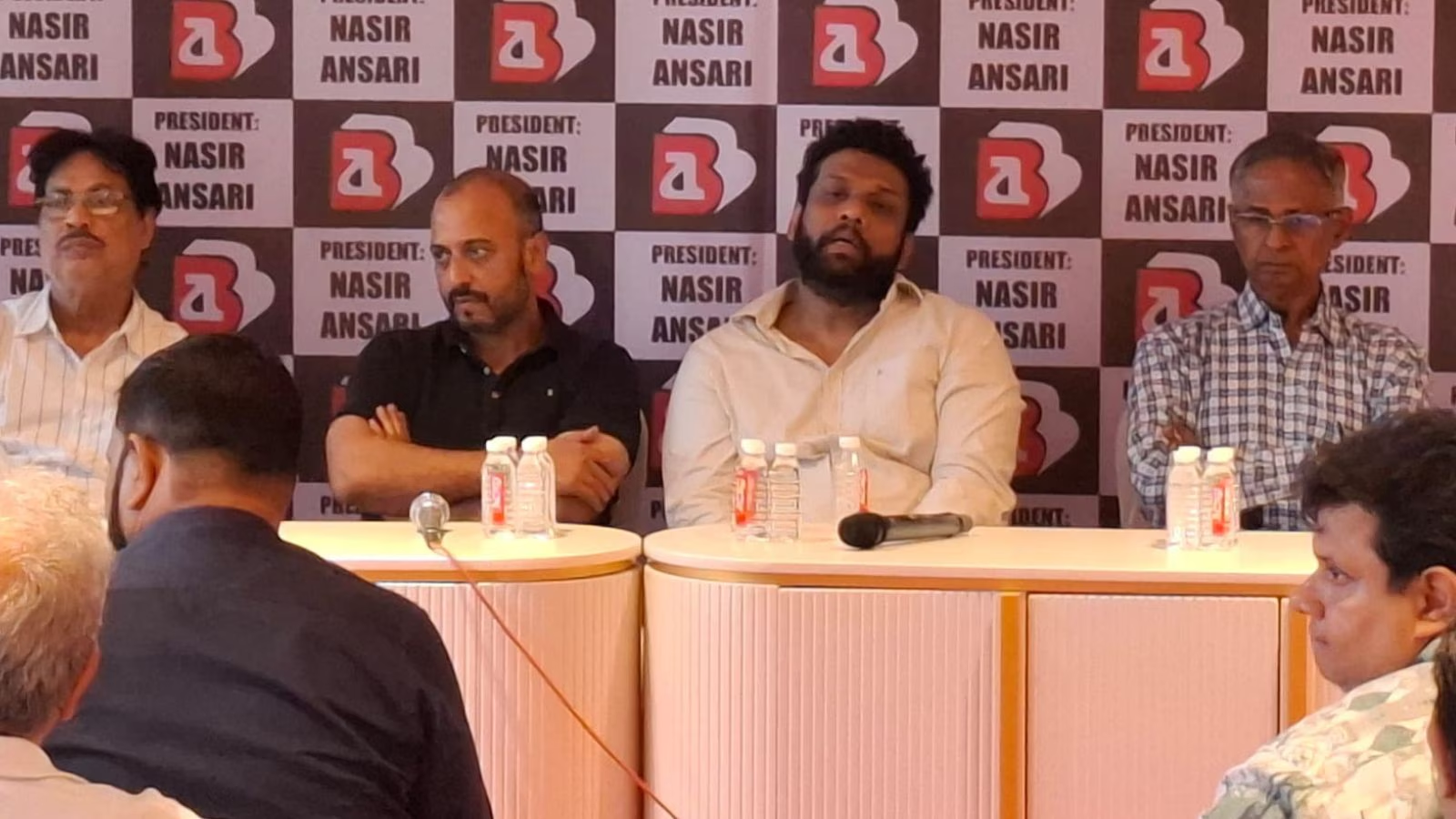
On Sunday evening, the Bombay Bakers Association held a press event. The message was simple: if the LPG shortage continues for another week, most of them will have no choice but to shut.
“We are trying to get cylinders but there is no availability,” said Nasir Ansari, president of the association, which represents 600 to 650 bakeries across Mumbai, Thane and Mumbra on Monday. “As of now, we are all adjusting. We are getting our stuff prepared by those who can — but for how long can we continue like this?”
The crisis has a particular irony for the baking industry. Most of these bakeries had been running on wood or coal-fired ovens for decades. Last year, following a High Court order, they were compelled to switch to alternative fuels. Gas was the practical choice — electric ovens, they say, make production prohibitively expensive. They made the switch. Now, there is no commercial gas cylinder to be found.
“Those of us who changed their diesel-fuelled ovens to gas even changed the burner back again to be able to run on diesel,” said Tariq Hussain, who owns decades-old New Kirmani Bakery in Mahim. “That’s how most of us survived. But it is neither legal nor enough.”
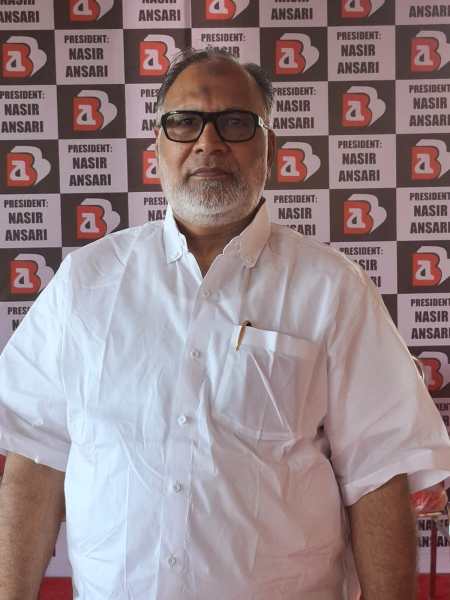 Tariq Hussain, who owns decades-old New Kirmani Bakery in Mahim, shares that around 500 bakeries make ladi pav exclusively, churning out between 16,000 and 18,000 ladis each — every ladi carrying six pavs. Photo/Special Arrangement
A staple in Mumbai’s culinary landscape, the humble ladi pav traces its roots to Portuguese influence in India during the 16th century. This versatile bread has evolved to become an indispensable part of the city’s food culture, often served as an accompaniment to dishes like egg bhurji, keema, misal, pav bhaji and the iconic vada pav.
The numbers give a sense of the scale. Hussain estimates that across the city, roughly one crore ladi pavs are produced every day. Around 500 bakeries make ladi pav exclusively, churning out between 16,000 and 18,000 ladis each — every ladi carrying six pavs. “How do we manage without gas?” he asked.
The downstream impact is already visible. Ansari noted that the primary buyers of ladi pav — vendors making vada pav and pav bhaji — have begun shutting their roadside stalls. The shelves of Mumbai’s most democratic food supply chain are quietly thinning.
Story continues below this ad
Bakeries that have managed to source cylinders on the black market are paying upwards of Rs 4,000 per cylinder, and even then availability is uncertain. Those who cannot or will not buy black market gas have had to make harder choices. MK Bakery and MS Bakery in Goregaon, Rajdhani Bakery in Bhayandar, City Light Bakery in Andheri East, Noor in Sion, and Sai Nand Bakery have all shut temporarily, said Ansari and Hussain.
“Some of us were in the hope that the war would end soon and cylinders would return,” said Hussain. “Now it seems like the war is endless.”
For those still operating, production has been cut sharply. Ansari said most bakeries are currently running at 50 per cent capacity. “If we were making ladi pav with ten bags of maida earlier, each 50 kilos, we are now using only five.”
“Sirf time pass ho raha hai ab (we are merely passing time),” said a frustrated Riyasat Sheikh, who has been with Fort’s iconic Yazdani Bakery since 1984 and now mans the cash counter. He added that the ongoing LPG crisis has severely hit production. “There is no gas cylinder, so there’s barely any production. We are selling just 60–70 ladi pavs a day, down from over 200 earlier. It is the same across categories. It’s very tough.”
Story continues below this ad
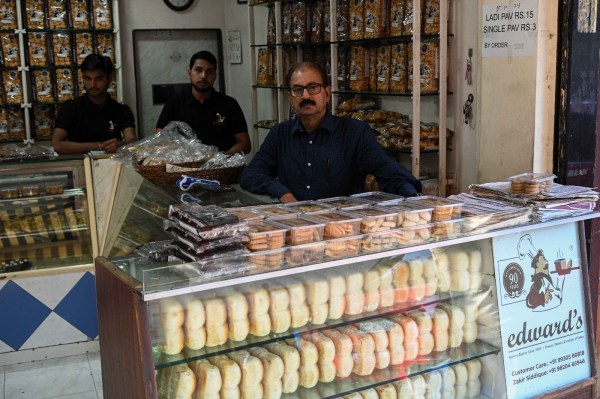 A file photo of Omaish Siddique, owner of New Edward Bakery, Fort, Mumbai. Express photo by Sankhadeep Banerjee
At 118-year-old American Express Bakery, the baking of products which relies on electric and diesel-run ovens has not been impacted but they have cut down production of puffs and sandwiches, the fillings for which need gas cylinders. “We are getting one cylinder in 20-25 days, which is not enough for us. We have stopped taking bulk walk-in orders and cut down production by about 30 per cent,” said Yohann Carvalho. When asked if they are planning to increase prices of their products, he said that breads and other items would remain as it is but “we will have to increase the prices of puffs and sandwiches by about 10-15 per cent. The new prices may come into effect from May 15 or the end of May.”
At Vienna Bakery, a 67-year-old institution known for their rich plum cakes and puffs, Tara Raj said they have received only one cylinder so far. They are currently running on an electric oven, producing only what can be managed in one or two lots to keep electricity costs down. Walk-in orders have been suspended. “It was Easter on Sunday, so we took a lot of orders, but on a regular day we are working only on prior orders so that we can plan production accordingly.”
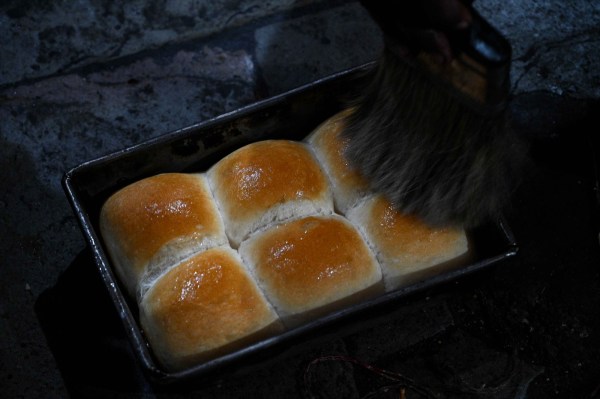 The humble ladi pav is an indispensable part of the city’s food culture, often served as an accompaniment to dishes like egg bhurji, keema, misal, pav bhaji and the iconic vada pav. Express photo by Sankhadeep Banerjee
Vienna Bakery has not yet raised prices, but that is about to change. “We will have to, by April 15,” said Raj. “Everything has gone up — alongside the gas issue, the prices of fat, oil and even packaging have risen. We are likely to increase prices by 10 to 15 per cent overall. Patties and puffs may go up by Rs 3 to 5, cakes by Rs 10 to 15.”
Omaish Siddique of New Edward Bakery in Fort has been slightly more fortunate — cylinders began arriving last week. He has purchased an electric oven to supplement production but is managing only 60 to 70 per cent of normal output. At his retail counter, prices have already moved. The ladi pav that sold for Rs 12 now costs Rs 15. Wholesale prices, he says, cannot be raised unilaterally. “Unless the whole association does it together, if we increase, we lose business to the competition.”
Story continues below this ad
When asked why there is no visible shortage of ladi pav if everybody has rationed the production, Siddique also offered an explanation: “Some bakers had shut their wood-fired bhattis last year but had not demolished them. When the crisis began, they quietly reopened the old ovens and resumed production, running surplus and supplying to those whose output had fallen. The BMC is not bothering them,” he said, “They understand the shortage.”
In Goregaon East, Sai Nath Bakery — recently renamed Azad Bakery — has been shut for ten to fifteen days. Owner Sawkeen Sheikh had demolished his wood-fired oven when he switched to gas. There is no going back. To keep some income coming in, he is now buying 400 to 500 ladis from bakeries that still have wood-fired ovens and reselling them. “We used to make 1,500 ladis ourselves,” he said.
The government is stressing that everybody gets a gas pipeline. But Hussain said that even though they want a gas pipeline and MGL even collected a Rs 10,000 deposit from bakery owners months ago, nothing has materialised. “They keep giving excuses, sometimes it’s rain, on other days, it is road construction, long distance, etc.”
The association is now preparing to meet Deputy Chief Minister Eknath Shinde. Their demands are four: wood-fired and diesel ovens should be permitted temporarily until the situation improves; electricity rates should not increase with higher usage; and gas should be made available to bakeries even if rationed, on par with how restaurants are being supplied.