
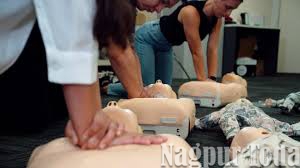
Choosing The Right CPR And LVR Course For Your Professional Needs
Selecting the right training program is a crucial step for anyone working in environments where safety risks are present. Whether you are part of the electrical industry, construction, maintenance, or another high-risk field, having the correct emergency response skills can make a significant difference. A well-chosen course not only improves your ability to act during emergencies but also strengthens your professional credibility and workplace readiness.
The Purpose Of CPR And LVR Skills
Cardiopulmonary resuscitation and low-voltage rescue skills are designed to prepare individuals to respond quickly in life-threatening situations. These skills are especially important in industries where electrical hazards exist. Immediate action during incidents such as electric shock or cardiac arrest can reduce the severity of injuries and even save lives.
Professionals who complete a CPR and LVR course gain practical knowledge on handling emergency scenarios effectively. This includes assessing risks, performing resuscitation techniques, and ensuring personal safety while assisting others. Understanding these fundamentals helps you stay calm and confident when every second counts.
Identifying Your Industry Requirements
Before enrolling in any training program, it is essential to evaluate the specific requirements of your job role or industry. Different professions may have varying compliance standards and safety regulations. For example, electricians and technicians often require certification that aligns with strict workplace guidelines.
In such cases, enrolling in specialised LVR training ensures that you meet industry expectations. These courses are typically designed to address real-world challenges faced by workers dealing with electrical systems. By choosing a program tailored to your field, you can gain relevant skills that directly apply to your daily responsibilities.
Evaluating Course Content And Structure
Not all training programs offer the same level of depth or practical experience. When choosing a course, take the time to review the curriculum carefully. A comprehensive program should cover both theoretical knowledge and hands-on practice.
Look for training that includes scenario-based learning, simulated emergency situations, and clear step-by-step guidance. These elements help reinforce your understanding and improve your ability to respond under pressure. A structured approach ensures that you not only learn the techniques but also understand when and how to apply them effectively.
Checking Accreditation And Certification Validity
Accreditation is one of the most important factors to consider when selecting a course. A recognised certification demonstrates that your training meets industry standards and is accepted by employers. It also ensures that the course follows updated guidelines and best practices.
When considering CPR LVR training, verify that the provider is authorised to deliver nationally or internationally recognised certifications. This adds value to your qualification and increases your employability. Employers are more likely to trust candidates who have completed accredited programs.
Considering Flexibility And Learning Options
Modern training providers offer a variety of learning formats to suit different schedules and preferences. Some courses are delivered entirely in person, while others combine online theory with practical sessions. Choosing a format that fits your availability can make the learning process more convenient and effective.
Flexible options are especially beneficial for working professionals who need to balance training with job responsibilities. However, ensure that any online component is complemented by hands-on practice, as practical skills are critical in emergency response training.
Assessing Trainer Experience And Support
The quality of education has a huge impact on how well you grasp and recall the subject. Experienced trainers bring real-world insights that can enhance your learning experience. They can also provide valuable tips on handling complex situations that may not be covered in standard course materials.
Look for providers who offer ongoing support, such as refresher sessions or additional resources. Continuous learning helps you stay updated and maintain confidence in your skills over time.
Comparing Costs And Value
While cost is an important consideration, it should not be the sole deciding factor. A lower-priced course may not always provide the depth or quality of training required. Instead, focus on the overall value offered by the program.
Consider factors such as course duration, practical training opportunities, certification validity, and trainer expertise. Investing in a high-quality program can lead to better outcomes and long-term benefits for your career.
Conclusion
Choosing the right training program requires careful evaluation of your professional needs, industry standards, and learning preferences. By selecting a course that offers comprehensive content, recognised certification, and practical experience, you can build essential skills that enhance both your safety awareness and career prospects. Making an informed decision ensures that you are fully prepared to respond effectively in critical situations and contribute to a safer working environment.
The original article was published on %%sitedesc%%. Read more: %%permalink%%