As LPG supply takes a hit, a quiet return of migrant workers begins in Mumbai | Mumbai News
It does not show up at construction sites or in factory lanes. There are no visible signs of an exodus, but go to Mumbai’s railway stations, and you will find it.
Vishesh Tyagi, 24, has been working for the last five years at a Mumbai factory that makes plumbing material. He had gone home to Varanasi for a brief break and returned on March 19. Five days later, he was on a train back. He had not been able to find a gas cylinder, could not afford to keep eating out, and saw no point in staying.
For five days last week, The Indian Express tracked three trains out of the city — the Kamayani Express to Uttar Pradesh, the LTT Rajgir Express to Bihar, and the CSMT Howrah Mail to West Bengal. The choice of trains was deliberate. According to the 2011 census, Uttar Pradesh is the single largest source of migrants to Mumbai, with Bihar and West Bengal also among the top six.
The newspaper spoke to migrants at Lokmanya Tilak Terminus (LTT) and Chhatrapati Shivaji Maharaj Terminus (CSMT) over five days. Of the 130 people interviewed, 62 said they were returning home because of the LPG crisis. At LTT, 40 of 70 cited it as their reason for leaving. At CSMT, 22 of 50 said the same.
The trigger is familiar. The West Asia conflict has disrupted supply, sending black-market prices of 5-kg cylinders, according to migrant labourers, soaring from Rs 500-550 to Rs 1,100-2,000, and 14.2-kg cylinders from Rs 900-1,200 to Rs 3,200-4,000. Most migrants, without the KYC documents required for a registered connection, have no access to cylinders at official rates. When hotel meals became too expensive and savings began to run out, going home became the only option.
This is not the mass reverse migration of the Covid-19 pandemic. People are not fleeing, but are quietly and pragmatically retreating, with one eye on the situation and plans to return the moment it stabilises.
The others interviewed were heading home for the West Bengal assembly elections, weddings, or family visits. But for nearly half, the calculation was simpler. Without a way to cook and with food costs rising, staying on was no longer an option. These are some of them:
Story continues below this ad
1. Kusum Gupta, 35
Travelling to Ghazipur, Uttar Pradesh, via Kamyani Express from LTT
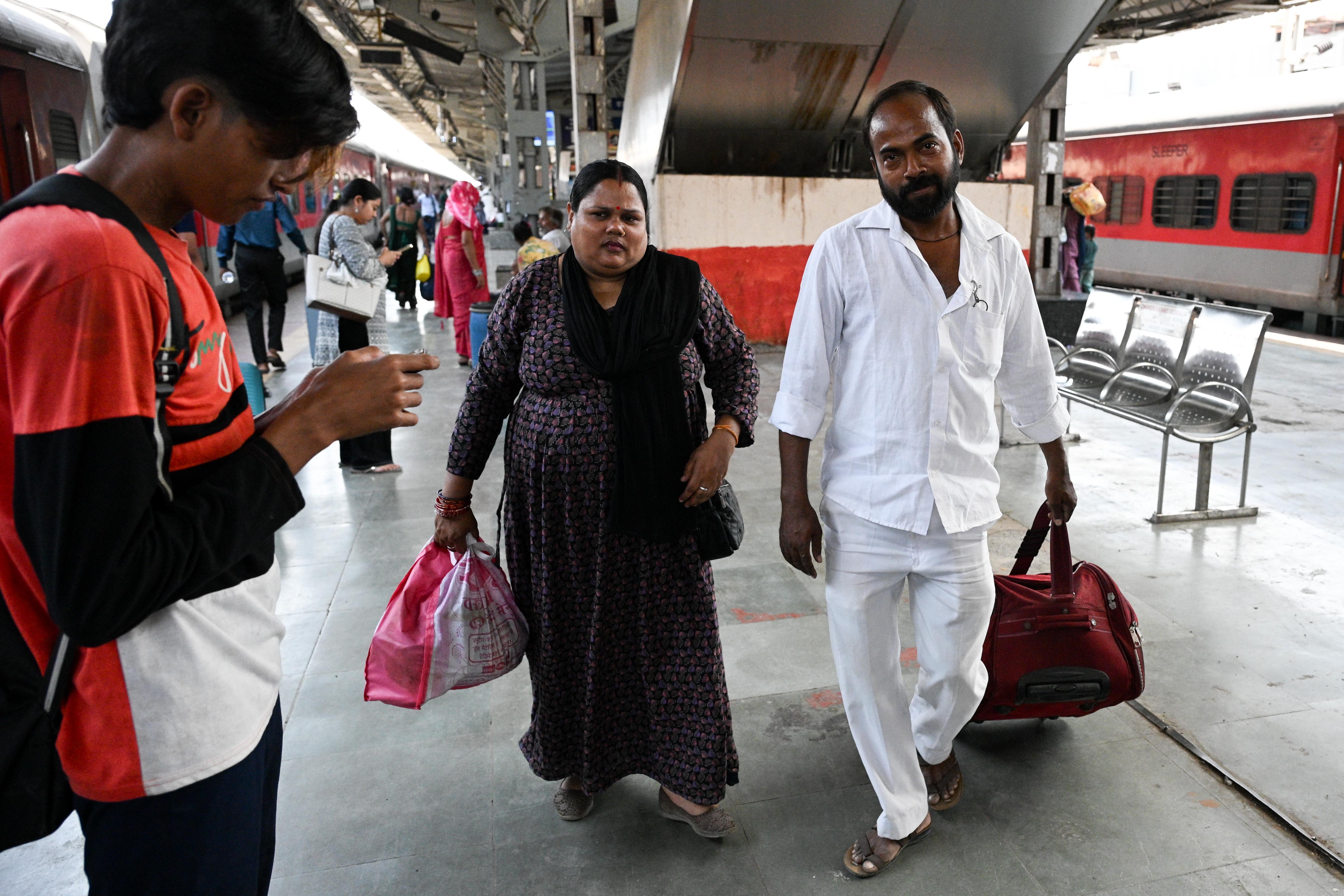 Kusum Gupta. (Express photo by Sankhadeep Banerjee)
Her husband, a rickshaw driver, dropped her off at the station and turned back. He is staying on in Mumbai to monitor the situation. One half of the family is holding the fort, the other retreating. For four to five days Gupta tried to arrange a gas cylinder, with no luck. She explored alternatives but hit the same wall. “I don’t have the energy to purchase wood and coal for cooking. It is too tedious a process. I would have preferred kerosene, but that isn’t available as well,” she said. She is leaving until things improve.
2. Sahil Reham Shaikh, 28
Travelling to Bhadoi, Uttar Pradesh, via Kamyani Express from LTT
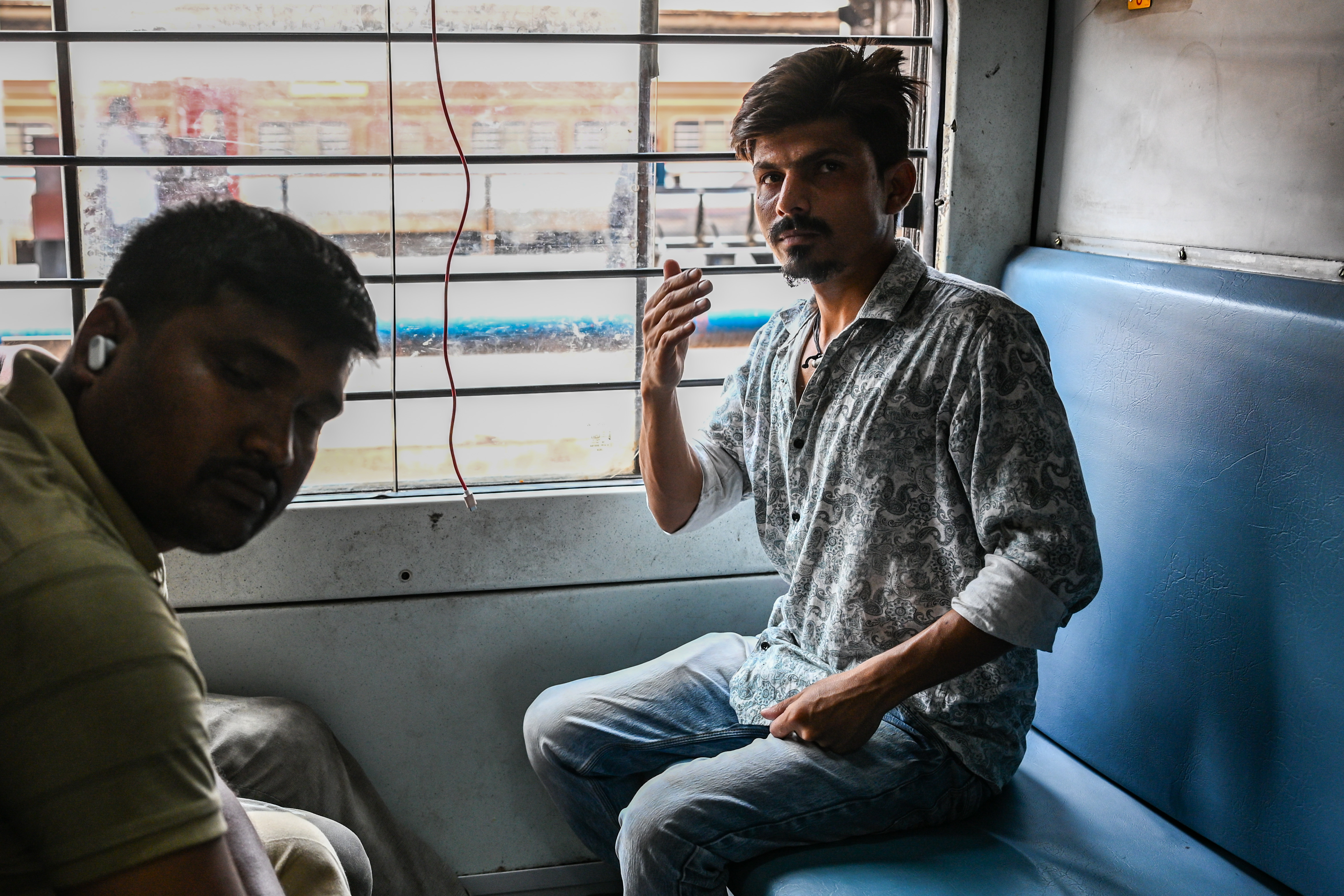 Sahil Reham Shaikh. (Express photo by Sankhadeep Banerjee)
Shaikh has lived in Mumbai since 2005 and works as a door-to-door salesman of cleaning agents. He has seen the city in difficult moments. In 2020, the pandemic shut his business down entirely. He rebuilt. Now, standing on the platform with his bags, he is not sure he has the fight left. The 14.2-kg cylinder he used to get for Rs 900 is now being quoted at Rs 3,200. “I am weary after battling so many struggles in Mumbai. In 2020, my business got shut because of the Covid-19 pandemic. Now, there is a dearth of LPG cylinders, and a host of other problems,” he said. He is going home. Whether he comes back, he has not decided.
Story continues below this ad
3. Shaikh Madru Haq, 45
Travelling to Saran, Bihar, via Kamyani Express from LTT
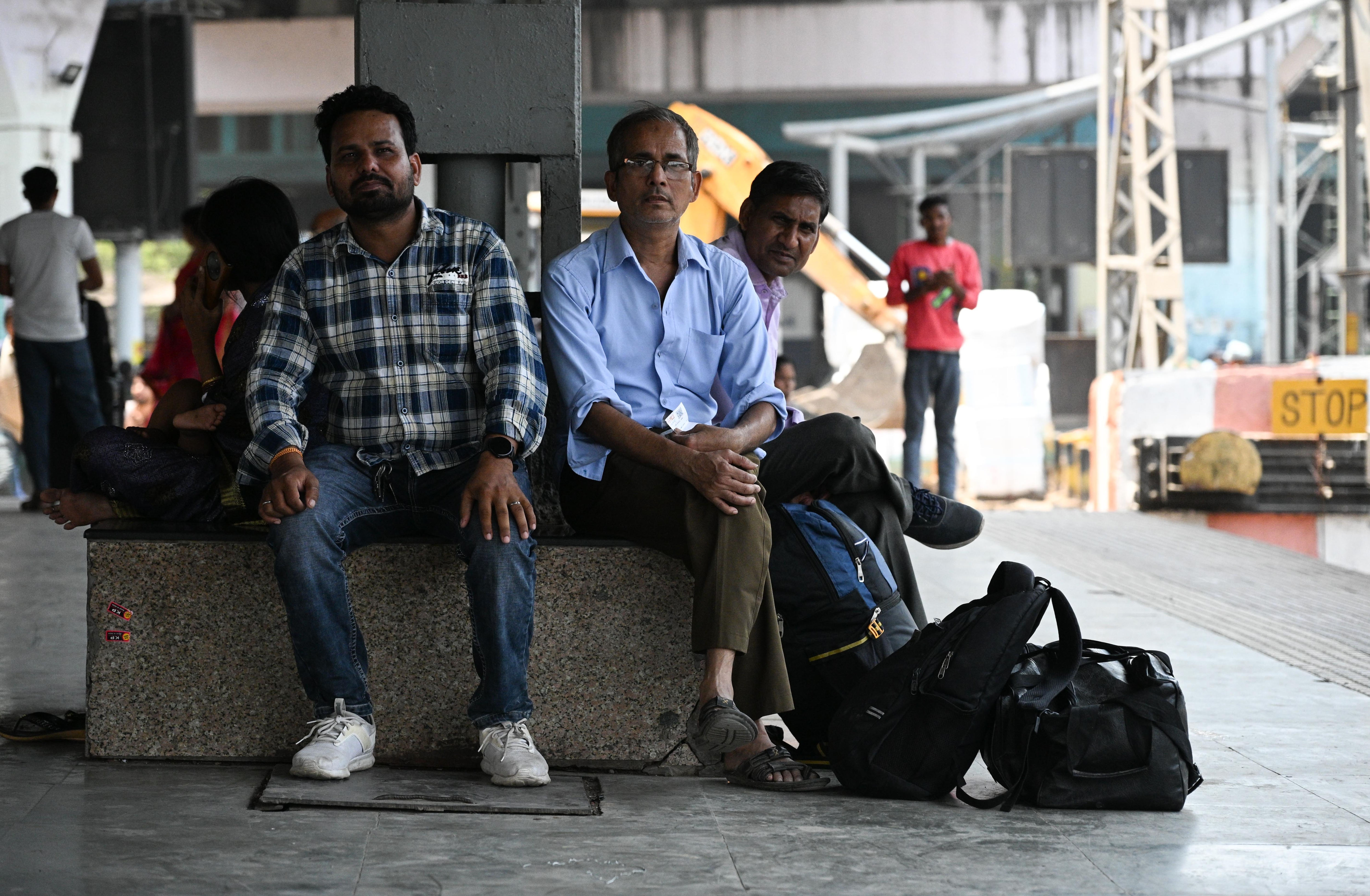 Shaikh Madru Haq. (Express photo by Sankhadeep Banerjee)
Haq was not alone on the platform. He had his wife and four children with him. He works at a hosiery factory in Gujarat’s Surat and, unable to find a confirmed train seat from there, travelled to Mumbai first to board the Kamayani Express. He spent days trying to refill his cylinder before giving up. Nearby hotels were charging Rs 80 for two stale chapatis and a vegetable, a meal that once cost Rs 40. “After multiple failed attempts to refill, my family and I turned to surviving on food from local hotels,” he said. The food was not worth the price. So he packed up and left.
4. Mohammed Nazi Aalam, 34
Travelling to Bettiah, Bihar, via LTT Rajgir Express from LTT
Ten people share the room Aalam rents in Kanjurmarg. Four have already left, and the rest are waiting for their current cylinder to run out before they follow. Aalam, a plumber, has been trying for days to find a refill, going from shop to shop, coming back empty each time. There is no anger in his decision to leave, no desperation. “Back home, I can rely on firewood or coal to cook food, but this isn’t possible in my unventilated, 10×12 feet room in Mumbai,” he said. He is not panicking. He is simply doing the math.
Story continues below this ad
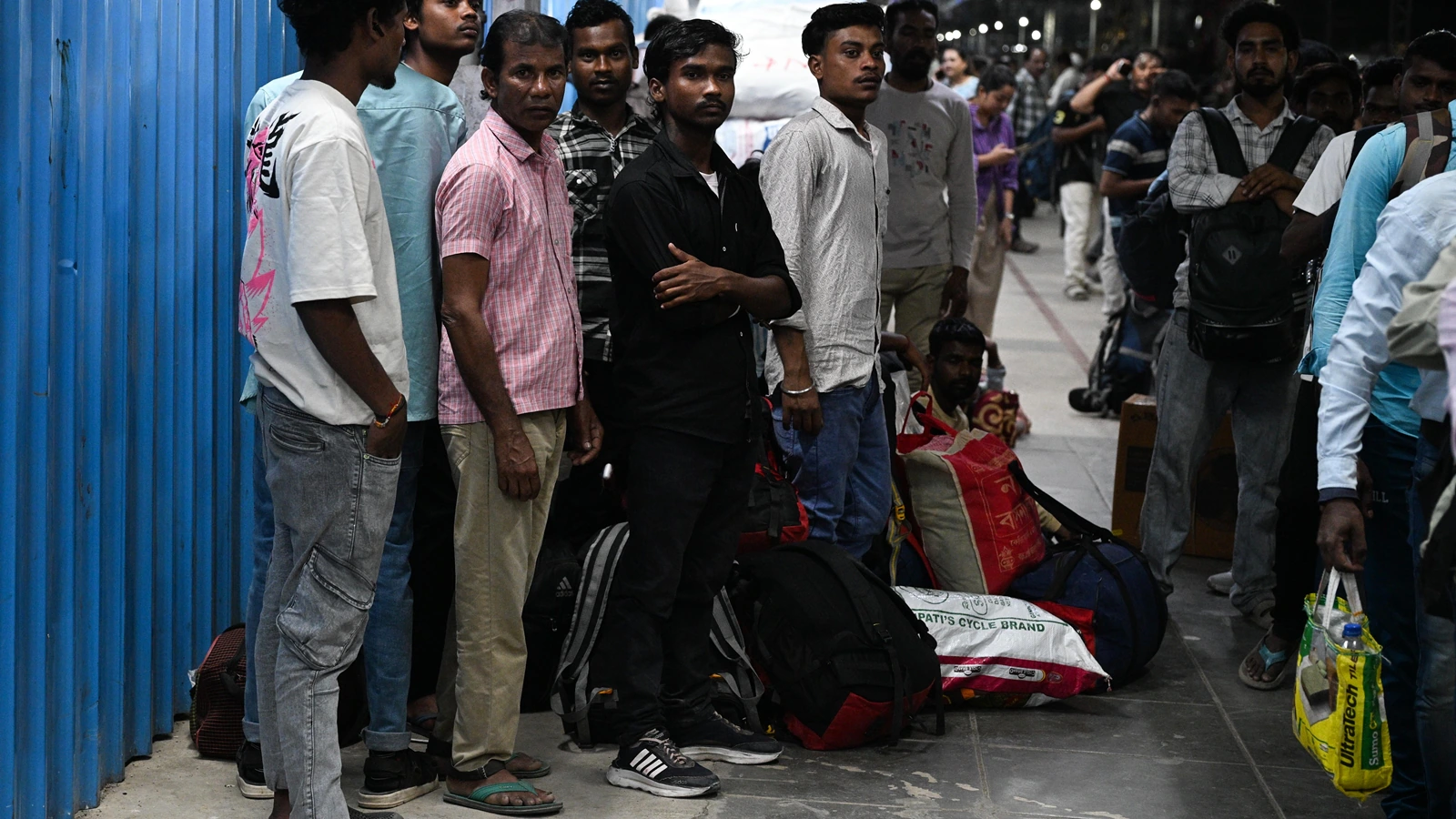
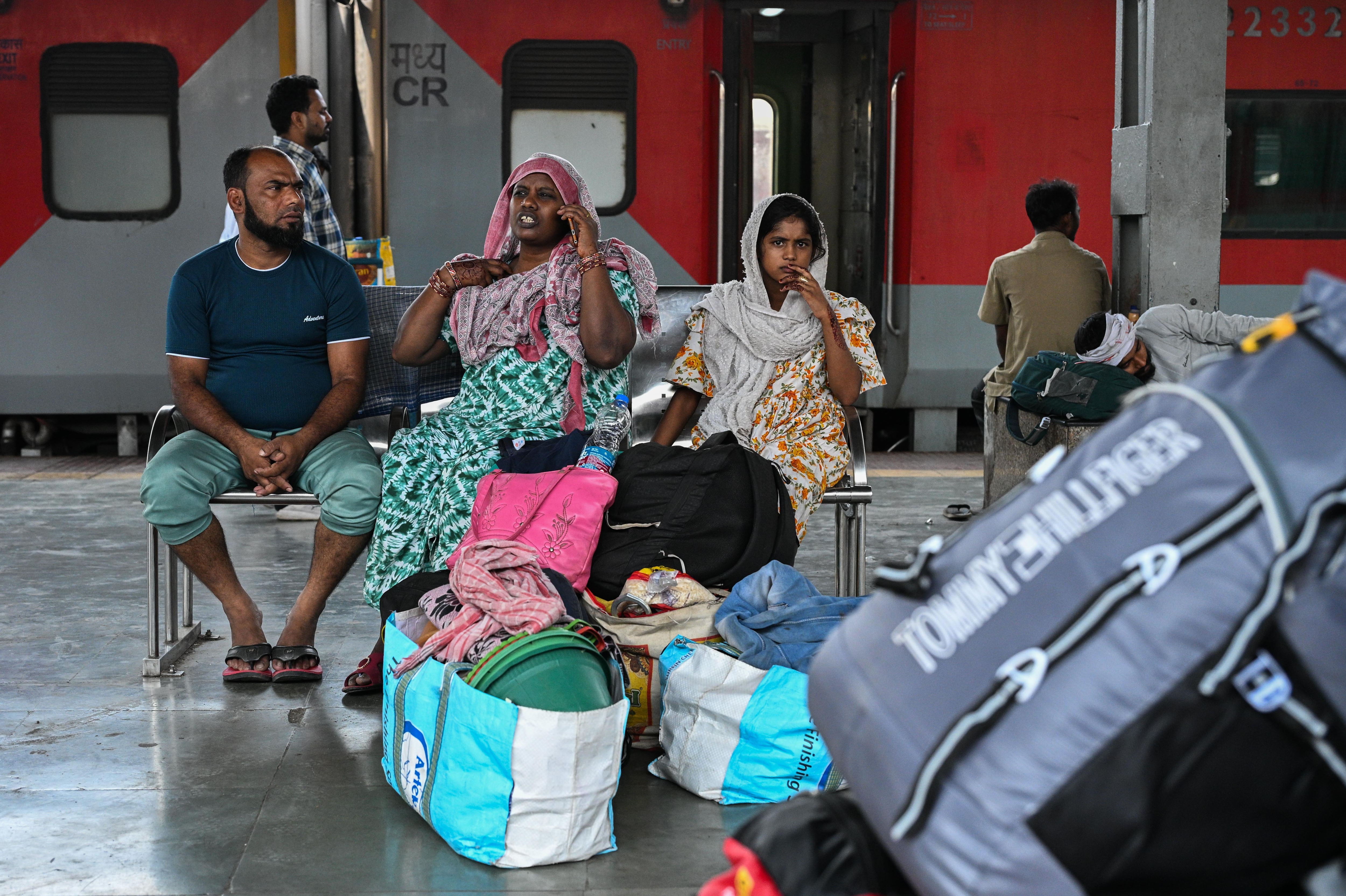 Passengers wait to board the train as they are going back to their respective hometowns due to the ongoing LPG shortage in Mumbai, at Lokmanya Tilak Terminus on 26 March. (Express photo by Sankhadeep Banerjee)
5. Ram Lakhan Yadav, 29
Travelling to Prayagraj, Uttar Pradesh, via LTT Rajgir Express from LTT
Eight years in Mumbai, and Yadav, a taxi driver, has his paperwork in order — Aadhaar card, address proof, everything a registered LPG connection requires. It made no difference. He went from shop to shop across Kurla, Andheri and Kanjurmarg, documents in hand, and came back empty every time. “I scoured multiple shops across Kurla, Andheri, and Kanjurmarg, displaying necessary documentation but couldn’t obtain a cylinder regardless,” he said. For Yadav, this is not a crisis of paperwork or black markets. The cylinders simply are not there.
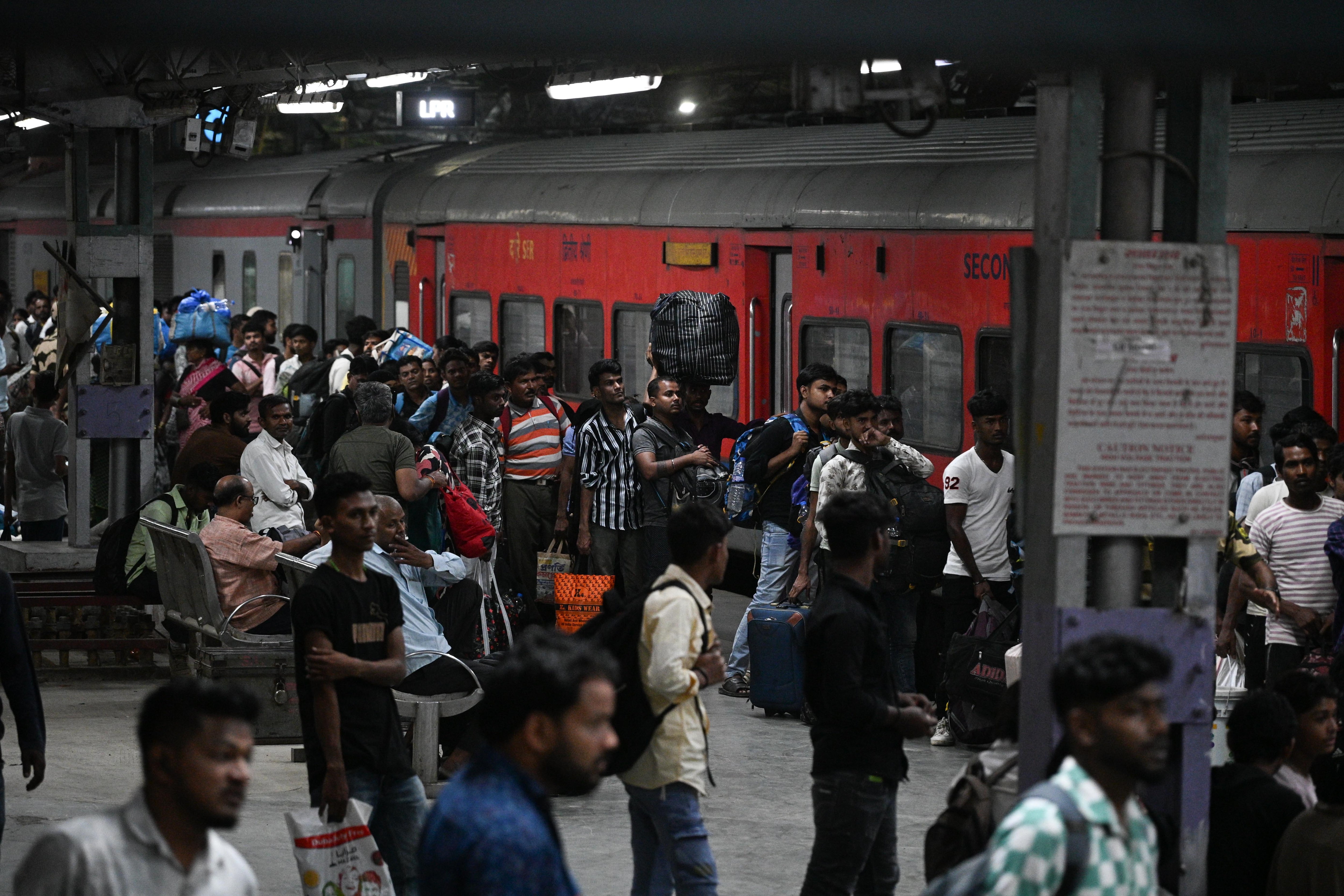 People stand in a queue to board Mumbai CSMT-Howrah Mail. (Express photo by Sankhadeep Banerjee)
6. Shukhdeep Baori, 23
Travelling to Birbhum, West Bengal, via Howrah Mail from CSMT
Baori did not leave alone. Eleven colleagues from the Andheri construction site he works at are travelling with him — a group that collectively decided the wait was no longer worth it. He tried everything before giving up: queuing at multiple shops, waiting for hours, hoping the stock would last. It never did. “I waited in queues at four different shops for hours at end; however, the stock emptied out typically before my chance arrived,” he said. He is not closing the door on Mumbai entirely. He plans to call his employer after the West Bengal assembly elections to check whether the situation has improved before making his way back.
Story continues below this ad
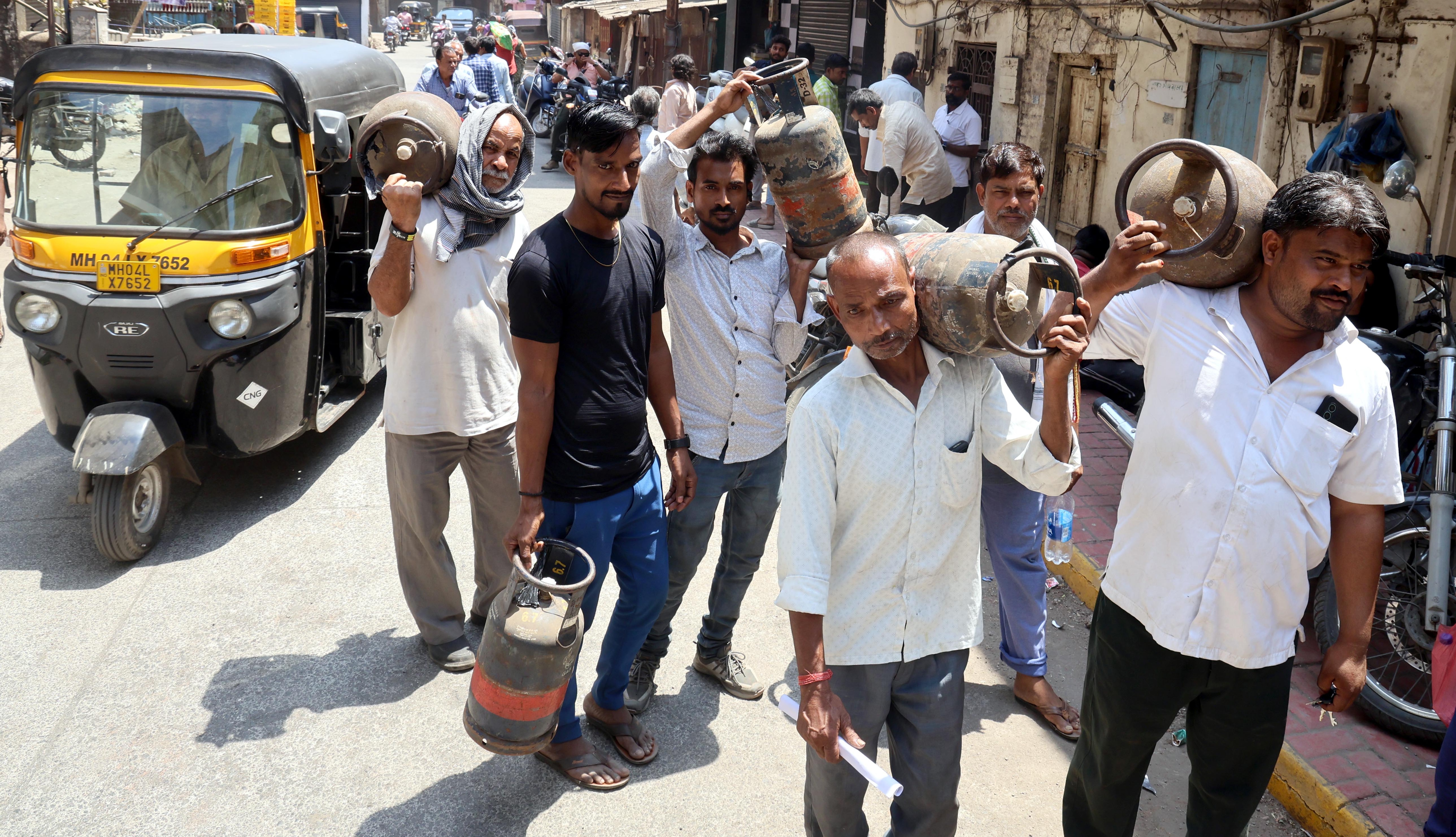 The wait has a cost beyond exhaustion. Every hour in the queue is an hour away from work.
Those who stayed are sleeping on roadsides to keep their place in queue
They spread out sheets on the roadside and lie down for the night — not because they have nowhere to go, but because they cannot afford to lose their place in the queue. By the time the sun rises over Bhiwandi’s powerloom lanes, the lines outside gas agencies have swollen further. And when the cylinders run out, sometimes within hours of an agency opening, the wait begins again.
While some migrant workers in the Mumbai region have quietly packed up and headed home, those who remain are fighting a different battle — one measured in sleepless nights, lost wages, and children fed biscuits because there is nothing else.
The West Asia conflict has choked the supply of 5-kg LPG cylinders in this textile-mill town on Mumbai’s outskirts, where thousands of powerloom workers and daily-wage labourers depend on them to cook. Each agency is receiving only 40-50 cylinders a day. Many workers have been queuing for three to four days without success. “I have been standing in line for gas for the past four days. My turn never seems to come up; I am forced to return home disappointed every single time,” said Pankaj Soni.
Story continues below this ad
The wait has a cost beyond exhaustion. Every hour in the queue is an hour away from work. “We are missing work, which means we are losing our daily wages. It is truly distressing that we are compelled to struggle simultaneously to secure both our livelihood and the food needed to satisfy our hunger,” said Anil Vishwakarma, a powerloom worker.
For those without ration cards, the 5-kg cylinder is the only cooking fuel available. Saraswati Kumari travelled from Kamatghar to Kaneri looking for a refill. Three days without gas, she is feeding her children biscuits. “I am having to feed my children biscuits just to keep their hunger at bay,” she said.
Some have reached the end of their patience. “This gas cylinder is our only lifeline. We are left with no choice but to return to our native villages,” said Suraj Yadav.
The agencies have tightened their systems. According to Sagar Kamurti, proprietor of Siddhivinayak Gas Agency, customers must now fill Aadhaar details and mobile numbers, and cylinders are being issued strictly for domestic use. On Friday, the agency received 120 cylinders. Between 400 and 500 people were waiting.