‘Language doesn’t matter.. Passengers only convey location & negotiate fares’: How Mumbai views Marathi mandate | Mumbai News
Outside Thane railway station, most passengers walk up to a shared auto and ask if the driver will take them to a particular location. The driver calls out a locality name. Passengers climb in. The ride proceeds with barely a word exchanged. This is how Mumbai’s auto and taxi ecosystem works. It runs on functional shorthand, not language.
Yet it is precisely this ecosystem that the Maharashtra government has decided to examine. Since May 1, a state-wide verification drive is underway across all 59 RTOs, assessing whether auto and taxi drivers possess “working knowledge” of Marathi, as required under Rule 24 of the Maharashtra Motor Vehicles Rules, amended in 2019. Mumbai and its suburbs have around 2.8 lakh auto-rickshaw permit holders and 20,000 taxi permit holders. Transport Minister Pratap Sarnaik has warned that drivers unable to demonstrate proficiency by August 15 could risk losing their permits.

To understand what commuters actually think, The Indian Express spoke to nearly 400 people across Mumbai Central, South Mumbai, Andheri, Borivali, Virar, Panvel, Wadala, Thane and Kalyan over the last ten days. What emerged was not a city clamouring for Marathi-speaking drivers. Nearly 60 per cent opposed making Marathi compulsory, 25 percent supported it, and 15 per cent took a middle position. But behind those numbers lies a more layered conversation about language, livelihood and what it means to belong to a city.
For most commuters, the opposition isn’t about Marathi. It’s about proportion. “A driver’s behaviour and honesty matter more than language,” said Ramesh Yadav, 34, a delivery supervisor from Uttar Pradesh living in Virar for 12 years. “Most commuters just want a safe ride and someone who doesn’t refuse short distances. Language is honestly secondary.”
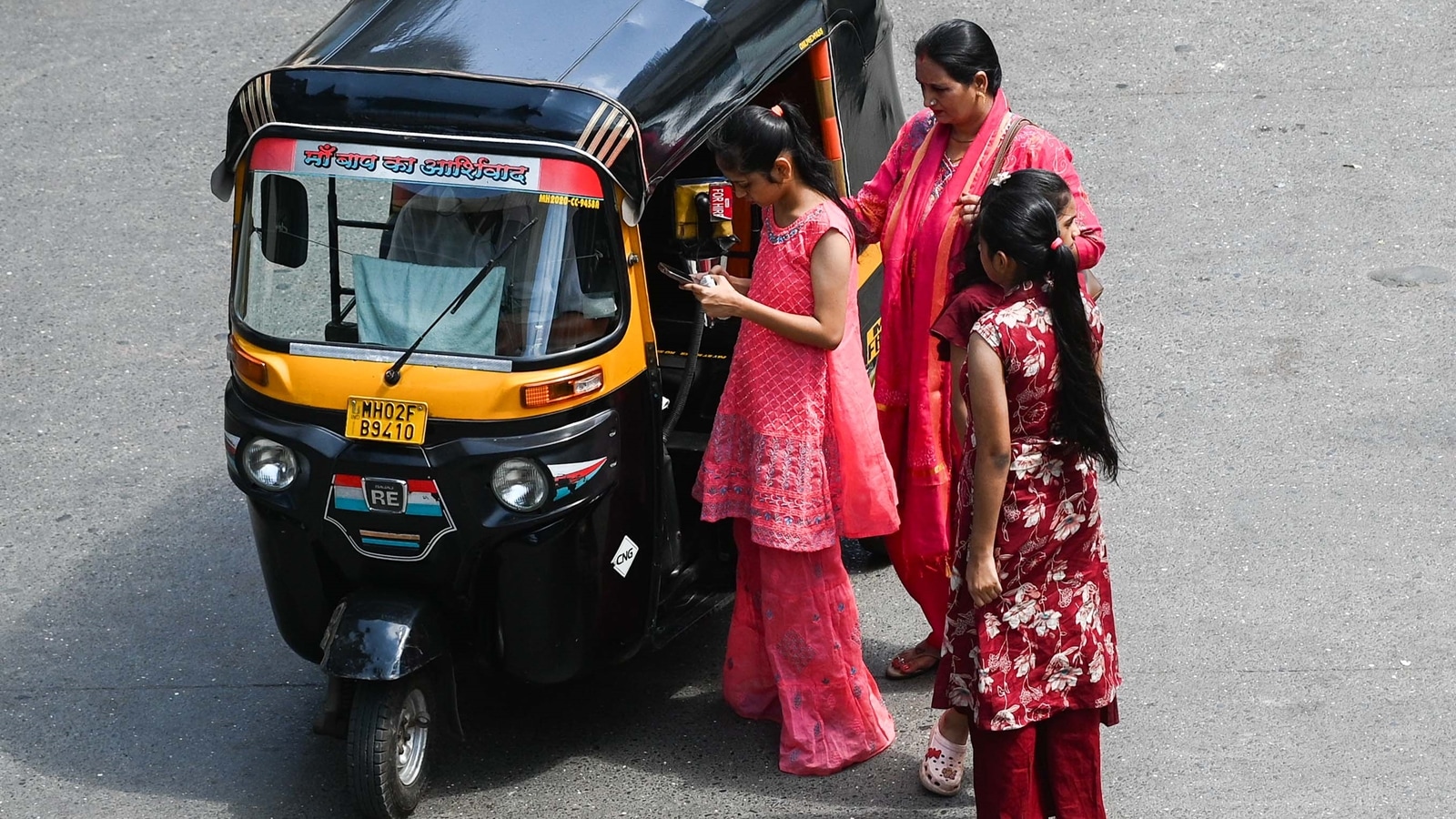 Passengers take rickshaws outside Andheri station (east) in Mumbai. (Express photo by Sankhadeep Banerjee)
Near Mumbai Central, Yusuf Contractor, 52, a businessman born and raised in Mumbai, made the same point. “People care more about whether the driver is decent and knows the roads. There’s hardly any conversation during most rides anyway,” he said.
At Bandra, Rashi Sheikh, 38, a garment shop worker originally from Maharashtra, framed it as a question of livelihoods. “Mumbai has always survived because people from everywhere come here to work. Forcing one language creates unnecessary fear among migrant workers,” she said. This sentiment was consistent across areas from Malad to Lower Parel, cutting across age groups and communities.
Support for the rule was strongest in the Marathi-speaking belt around Thane and Dadar. In Dadar, Shrikant Sawant, 46, a call centre employee, put it plainly. “Nobody is asking people to become fluent overnight. But if you work with the public in Maharashtra every day, learning basic Marathi shows willingness to connect,” he said.
Story continues below this ad
In Andheri, Imran Khan, 41, an auto spare parts trader whose family has lived in Jogeshwari for generations, called it “basic courtesy.” “A lot of elderly passengers feel more comfortable when drivers understand simple Marathi instructions,” he said.
Notably, some of the strongest support came not from Marathi speakers alone. Harsh Mehta, 35, a Hindi-speaking sales executive from Nallasopara, said that if your work depends on interacting with local people, learning the language becomes important. “When we moved here, we picked up basic Marathi over time. If your job depends on dealing with people across the city, knowing the local language only helps,” he said.
The most nuanced voices came from the middle. Suryakant Pokhare from Ambarnath pointed to something the broader debate tends to overlook. “Mumbai often sees individuals from the rural hinterlands of Maharashtra who don’t understand Hindi, leaving them disadvantaged if drivers don’t speak Marathi,” he said. Senior citizens and primarily Marathi-speaking households face the same difficulty, other commuters noted.
On the ground, drivers are already responding. Rajnikant Tiwari, 55, from Jaunpur in Uttar Pradesh, has been driving autos in Mumbai since the 1990s. He understands Marathi but worries about mispronouncing words, so every evening after his shift he practices with his son and daughter. Shiv Babu, 41, who drove in Delhi before moving to Mumbai, is working through YouTube tutorials. Neither man had been asked to speak Marathi by a passenger or official before this drive began.
Story continues below this ad
The government has said that until August 15, the focus is on verification and awareness rather than punishment. Chief Minister Devendra Fadnavis has called for training over fear. After August 15, officials say, a decision will be taken on whether permits of drivers unable to demonstrate proficiency will face cancellation or non-renewal.
Commuters speak
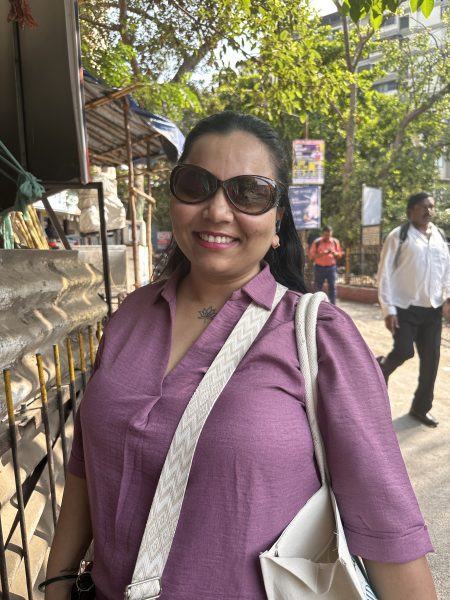 Harshita Shirodkar
1. Harshita Shirodkar, 30, a Maharashtrian corporate professional from Thane, says Marathi is non-negotiable for anyone living in Maharashtra over a decade. “Our elderly and people from remote villages only know Marathi. Even women haggle with vegetable vendors in Marathi. Why should they not have the same ease while talking to auto drivers?”
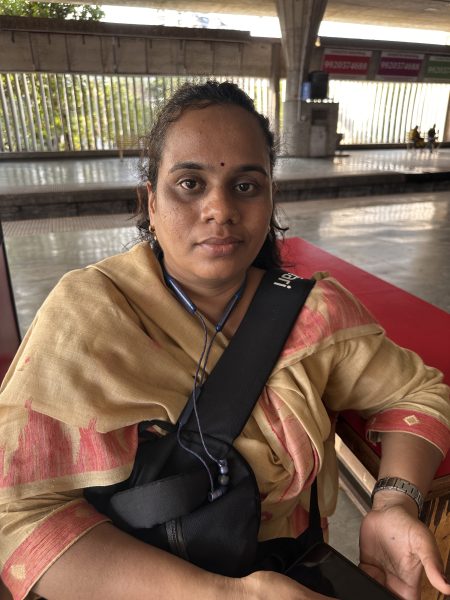 Savita Pol
2. Savita Pol, a native Maharashtrian and lecturer at a Kharghar college, commutes daily by auto and thinks the rule is fair. “Drivers who earn their living in Maharashtra owe it to this state to at least try communicating in Marathi,” she says.
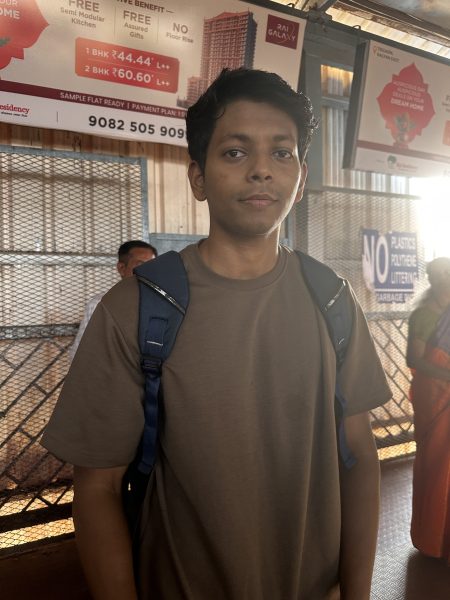 Sundaram Singh
3. Sundaram Singh, 22, was born in Mumbai to a family from UP and studies in Kalyan. He thinks the rule is unjust. “You can’t compel anyone to learn Marathi. Language connects people, it shouldn’t be used as a barrier. Focus on the quality of service instead,” he says.
Story continues below this ad
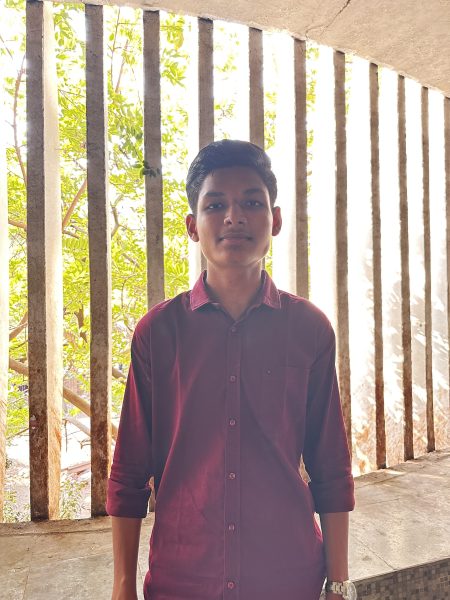 Suraj Sahebrao Hange
4. Suraj Hange, 19, a Maharashtrian student from Panvel, says language is rarely something that needs to be factored while hailing a ride. “If the driver is polite, efficient and drives safely, there’s no need for a Marathi mandate. Imposing a language doesn’t ensure passengers travel comfortably,” he says.
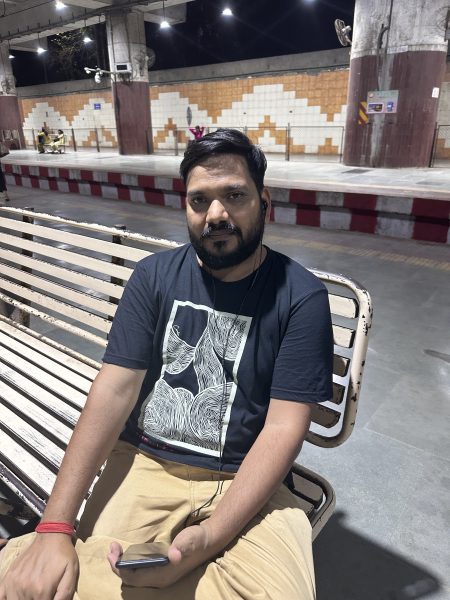 Ved Prakash
5. Ved Prakash, 40, a corporate professional from Belapur, originally from UP, thinks the mandate is unwarranted. “Passengers only need to convey a location and negotiate fares. And for older drivers who left school years ago, picking up a new language isn’t easy,” he says.
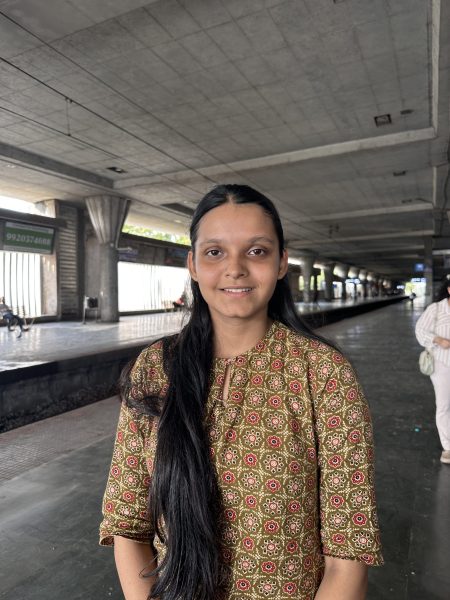 Aarya
Aarya
6. Aarya, 18, a Thane resident training to be a special educator, prefers nudging over mandating. “I encourage drivers to speak broken Marathi if they can’t manage fluently. Prompting a few sentences puts them at ease,” she says.
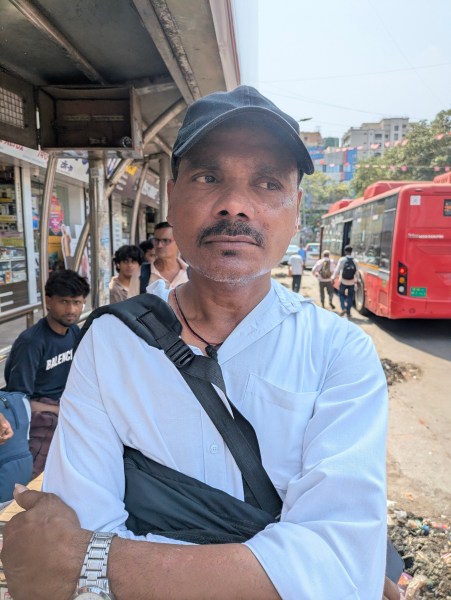 Sudhir Patel
7. Sudhir Patel, 30, from Virar, was born in Mumbai to a family originally from Rajasthan. He says behaviour matters more than language. “People care whether the driver refuses short trips, charges correctly and behaves respectfully. Most rides barely go beyond telling the destination. Communication finds a way even without a shared language,” he says.
Story continues below this ad
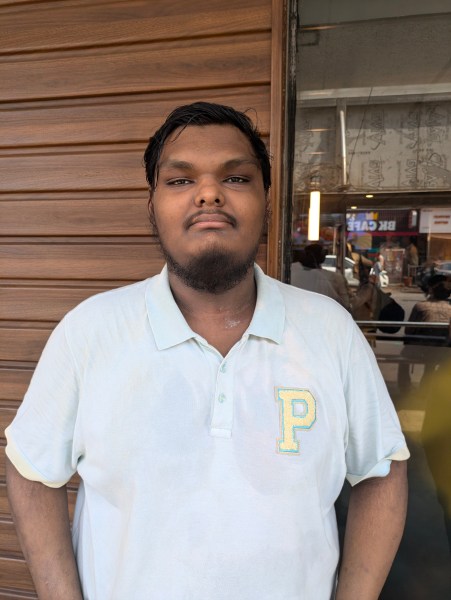 Rahul Vani
8. Rahul Vani, 24, originally from UP and now living in Malad, says Mumbai’s transport culture is already adaptive. “Drivers and passengers switch between Hindi, Marathi and English naturally. That’s always been this city’s culture. Many migrants pick up Marathi over time, but making it compulsory for someone’s livelihood creates unnecessary pressure,” he says.
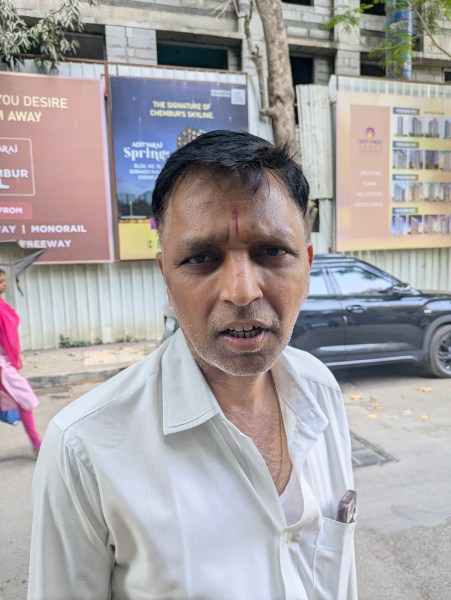 B J Prajapathi
9. B J Prajapathi, 45, who migrated from UP and now lives in Kandivali, wants the focus on convenience over enforcement. “Basic Marathi helps drivers communicate with local passengers and makes travel smoother. But it shouldn’t create fear of losing jobs. Most commuters only expect drivers to understand simple instructions and behave properly,” he says.
 Rishita Gupte
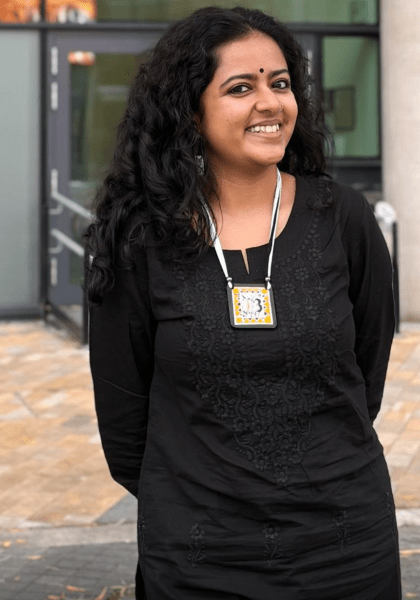
10. Rishita Gupte, 23, a Maharashtrian filmmaking student from Thane, thinks the rule targets the wrong people. “It’s unfair to make language a condition for someone’s livelihood, especially when this is only being enforced on one class of workers. Mumbai has always been cosmopolitan. Hindi works fine,” she says.
 20
20 584226
 20
20
 20
20