
Who Are the Custom Mannequins in “Costume Art” Based On? We’re So Glad You Asked
At the Metropolitan Museum of Art’s annual spring exhibition staged by the Costume Institute, the mannequins ceased being simple mannequins some time ago. For 2025’s “Superfine: Tailoring Black Style,” artist Tanda Francis modeled the mannequins’ features after André Grenard Matswa, one of the original Sapeurs; and parts of “Sleeping Beauties: Reawakening Fashion” dispensed with silhouettes altogether, displaying the show’s most fragile garments in coffin-like vitrines.
For “Costume Art,” curator Andrew Bolton has once again aligned the exhibition’s central concerns—in this case, how art and fashion have interpreted the human body—with the very manner in which the objects are displayed. Visitors to the Condé M. Nast Galleries this year will see some of the fashion in “Costume Art” on silhouettes based on nine very real people, spanning a range of body types and mobilities.
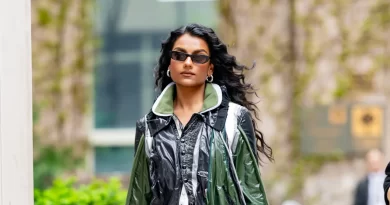
The mannequins—25 in all—are distributed across two of the show’s 12 thematic sections, each organized around a body type or aesthetic. One of them, the “Disabled Body” section, features mannequins styled after Sinéad Burke, the writer and founder of Tilting the Lens; athlete Aimee Mullins; model and musician Aariana Rose Philip; model and Freedom Is Fly founder Antwan Tolliver; and model and swimwear designer Sonia Vera. The section also includes one mannequin based on imagery of the late drag performer Goddess Bunny.

Photo: Anna-Marie Kellen/Courtesy of the Metropolitan Museum of Art
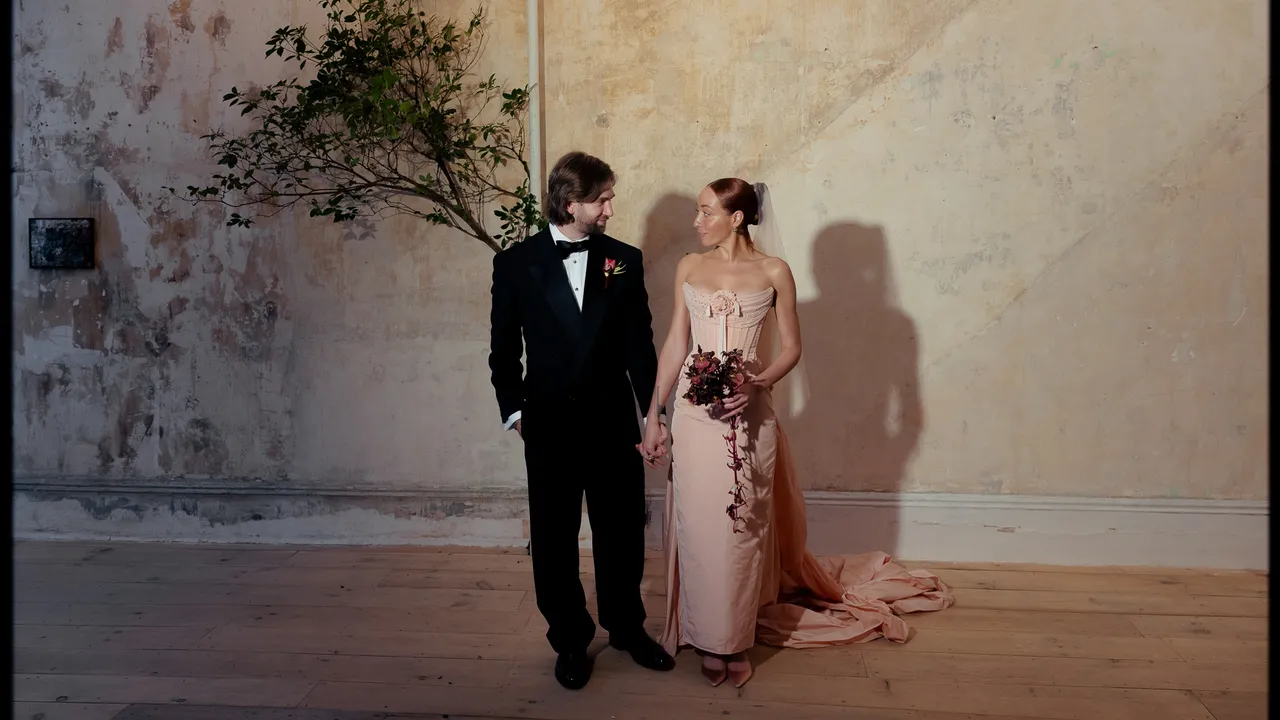
In the “Corpulent Body” section, meanwhile, are forms based on models Jade O’Belle and Charlie Reynolds, along with artist and couturier Michaela Stark, and singer-songwriter Yseult. The nine living inspirations for the mannequins submitted to a 3D-scanning process known as photogrammetry to have their likenesses recreated for “Costume Art.”

Photo: Anna-Marie Kellen/Courtesy of the Metropolitan Museum of Art