
Science shows tweaking your diet now can save your brain later
For a long time, I assumed dementia was merely a matter of genetic fate. Something that either was or wasn’t coming for you, written into your DNA long before you’d ever thought to worry about it. But a wave of new research is starting to challenge that idea, and place far more control back in our hands than we might expect.
Published in March 2026, several major studies suggest that what we eat, particularly in midlife, may play a meaningful role in how our brains age. Not just in terms of memory or focus, but in measurable changes to risk and even brain structure itself. Crucially, the message isn’t that you needed to start decades ago. The evidence increasingly points to something far more encouraging: that it’s never too late to make changes that matter.

The most striking findings come from a large study which followed around 159,000 adults. Researchers found that those who adhered most closely to healthy dietary patterns had a significantly lower risk of cognitive decline. One approach stood out, the DASH diet, originally designed to lower blood pressure. Those who followed it most closely had around a 41% lower risk of cognitive decline compared to those with the poorest diets.
It’s one of the clearest signals yet that a widely recommended, relatively accessible way of eating could support long-term brain health. From a clinical standpoint, the findings are both reassuring and unsurprising.
“From a GP’s perspective, these findings are encouraging because they reinforce something we’ve long suspected, that dementia risk isn’t fixed, and lifestyle factors can play a meaningful role alongside genetics,” says Dr Semiya Aziz, NHS GP and founder of Say GP. “While the evidence for diets like DASH and MIND is observational rather than causal, we know these patterns support cardiovascular health, and heart health and brain health are closely linked.”

Firstly, what are the MIND and DASH diets?
You’ve almost certainly heard of the Mediterranean diet. MIND and DASH are its close relatives, and when it comes to brain health specifically, they may have the edge.
DASH (Dietary Approaches to Stop Hypertension) was originally designed to lower blood pressure. It’s built around vegetables, fruits, wholegrains, lean protein and low-fat dairy, while limiting salt, red meat and added sugars. The fact that it’s now appearing so prominently in dementia research makes intuitive sense; what’s good for the heart has long been understood to be good for the brain.
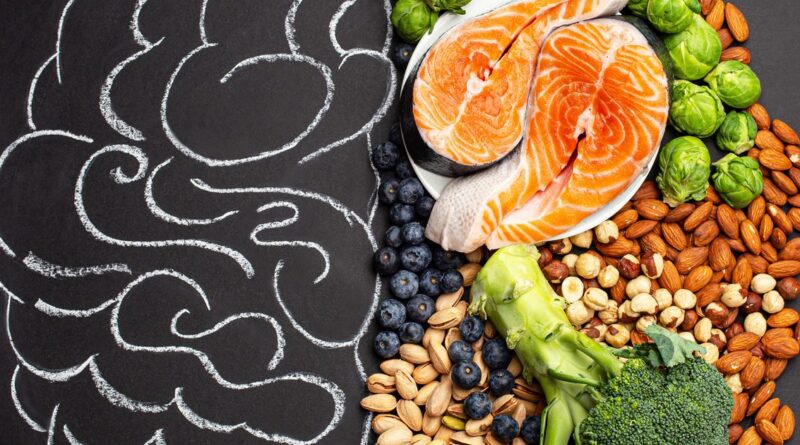
MIND (Mediterranean-DASH Intervention for Neurodegenerative Delay) is a hybrid of the two but designed specifically with the brain in mind. It doubles down on leafy greens, berries, nuts, wholegrains, fish, olive oil and beans, while cutting back on butter, cheese, red meat and anything ultra-processed. Neither requires a life overhaul, and are, in the scheme of things, pretty achievable.
Both diets work, the researchers believe, because of the specific combination of nutrients they deliver. Omega-3 fatty acids from oily fish are key structural components of neuronal membranes, influencing how neurons communicate and the brain’s ability to form new connections. Polyphenols, found in berries, olive oil, dark chocolate and herbs, reduce oxidative stress and support cerebral blood flow. B vitamins from leafy greens help regulate homocysteine, elevated levels of which are linked to the loss of brain cells. And the fibre both diets are naturally high in feeds the gut microbiome, which in turn influences neuroinflammation via the gut-brain axis. “It’s not one nutrient,” says registered nutritionist Zara Hiridjee. “It’s this synergy of fats, micronutrients and plant compounds working across multiple pathways.

The midlife window, and why it’s not the only one
Perhaps the most interesting shift in the latest research is around timing. Analysis from the large study cohort suggests that diet quality between the ages of 45 and 54 may have the strongest association with later-life cognitive outcomes.
“Midlife does appear to be a key window, particularly for reducing vascular risk,” says Dr Aziz. “But improvements later in life still carry clear benefits.”
“It’s never too late to make changes,” she adds. “Small, consistent improvements over time can help to support brain health and reduce the progression of conditions like hypertension and diabetes, which are closely linked to dementia risk.”
Hiridjee agrees. “The brain remains responsive to change at any age. Improving diet can still reduce inflammation, support blood flow and provide the nutrients needed for brain function, even later in life.”
So, what does that actually look like in practice? Across all of the research, the same patterns come up again and again: eat more vegetables, particularly leafy greens; regular oily fish; healthy fats like olive oil and nuts; wholegrains and fibre; and fewer ultra-processed foods, added sugars and excess salt.
Coffee may help, too. Another large study, following more than 130,000 people over several decades, found that moderate consumption of coffee or tea was associated with a lower risk of dementia, as well as better cognitive performance.
“Both coffee and tea are rich in polyphenols, and caffeine itself may play a role in supporting certain brain pathways,” says Hiridjee. “The sweet spot appears to be around two to four cups a day, beyond that, you don’t see additional benefits, and it can start to impact sleep, which is just as important for cognitive health.”
It’s not a reason to rely on caffeine alone, but it does reinforce a broader point, that brain health isn’t shaped by one single change, but by the accumulation of small, consistent habits over time.
“If you wanted to make meaningful changes this week, I’d focus on three things,” says Hiridjee. “Increase omega-3 intake, add more polyphenol-rich foods like berries and olive oil, and build meals around protein, fibre and healthy fats to keep blood sugar stable.”
But as Dr Aziz is quick to point out, diet is only one piece of the puzzle. “In clinical practice, diet rarely works in isolation,” she says. “Patients who eat well often adopt other positive behaviours, exercising more, sleeping better, reducing alcohol – and it’s this combination that helps limit chronic disease and, over time, supports cognitive health.”
It’s also important to keep the evidence in perspective. These studies are observational, meaning they show associations rather than direct cause and effect. But when large, long-term studies consistently point in the same direction, and when the biological mechanisms make sense, the message becomes difficult to ignore.
What’s most striking is how achievable it all is. There’s no need for extreme diets or expensive interventions. The patterns linked to better brain health are familiar, flexible and, for most people, realistic. “Diet is a long-term investment in brain health,” concludes Dr Aziz. “But it should always be part of a broader lifestyle approach, including movement, sleep and metabolic health, rather than viewed in isolation.”
Enjoyed this? Read more
Top 15 foods to improve your memory
5 ways the food you eat affects your brain
5 foods to boost your child’s brain power
How to eat for exams
Top 10 sources of omega-3
Top 10 health benefits of tea
Brain-boosting recipes
All health content on goodfood.com is provided for general information only, and should not be treated as a substitute for the medical advice of your own doctor or any other health care professional. If you have any concerns about your general health, you should contact your local health care provider. See our website terms and conditions for more information.