
Smart City Mission Ends, But Nagpur’s Challenges Are Just Beginning
Advertisement

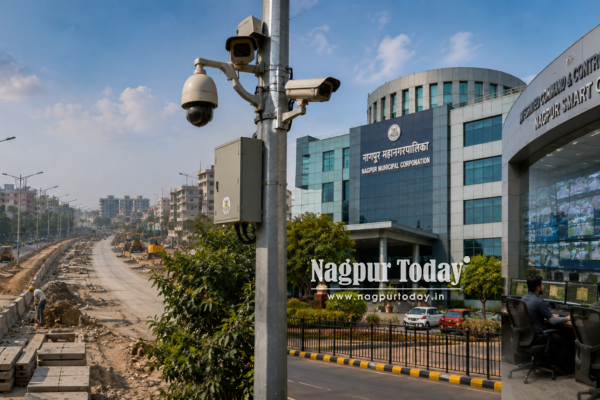
Representational Pic
Nagpur: The curtains may have come down on the Government of India’s flagship Smart Cities Mission, but in Nagpur, the story is far from over. While the Special Purpose Vehicle (SPV) that spearheaded the city’s transformation is winding up, several key projects remain unfinished, and the responsibility of maintaining thousands of crores worth of public infrastructure now shifts to the Nagpur Municipal Corporation (NMC).
A Decade of Ambition
Selected under the Smart Cities Mission in 2016, Nagpur quickly emerged as one of the country’s leading performers in project execution. Through the Nagpur Smart and Sustainable City Development Corporation Limited (NSSCDCL), the city implemented projects ranging from smart roads and integrated command centres to intelligent traffic management, CCTV surveillance, public spaces, and urban redevelopment.
The mission transformed parts of East Nagpur into an Area-Based Development (ABD) zone while introducing technology-driven governance across the city.
Gold Rate
July 30 ,2026 – Time 10.30Hrs
Gold 24 KT
₹ 1 43,100 /-
Gold 22 KT
₹ 1,32,800 /-
Silver/Kg
₹ 2,18,100/-
Platinum
₹ 88,000/-
Recommended rate for Nagpur sarafa Making charges minimum 13% and above

Seven Projects Yet to Cross the Finish Line
Despite the overall progress, the Smart City chapter does not end with complete success.
Out of 47 sanctioned projects in Nagpur, seven remain incomplete. Six are under execution-primarily road infrastructure projects-while one rehabilitation project for brick kiln workers remains stalled due to unresolved land issues and pending approvals.
Advertisement

These unfinished works underscore a larger concern: whether the city’s infrastructure goals can truly be considered complete when critical projects remain in limbo.
The Real Challenge Begins Now
With the Smart City SPV nearing closure, ownership of its assets will now be transferred to the Nagpur Municipal Corporation.
This includes:
- Integrated Command and Control Centre (ICCC)
- Thousands of CCTV cameras
- Smart traffic systems
- Digital public infrastructure
- Roads, public spaces, and utility assets
While these assets represent a significant technological upgrade, they also come with substantial annual maintenance costs that NMC will now have to bear from its own budget.
Technology Is Only as Good as Its Maintenance
Smart city infrastructure is not a one-time investment.
Command centres require 24×7 staffing, CCTV networks need regular servicing, software platforms demand continuous upgrades, and intelligent traffic systems require uninterrupted connectivity.
Urban planners warn that without dedicated maintenance funding and institutional support, expensive smart infrastructure can quickly deteriorate into underutilised assets.
Successes Worth Acknowledging
The mission has undeniably changed Nagpur’s urban landscape.
The Integrated Command and Control Centre has improved emergency response, surveillance has strengthened policing, smart mobility initiatives have streamlined traffic monitoring, and several neighbourhoods have witnessed improved roads, drainage, lighting, and public amenities.
These achievements demonstrate what coordinated planning and targeted funding can accomplish.
But Questions Remain
The closure of the Smart Cities Mission also raises uncomfortable questions:
- Were all promised projects completed?
- Can NMC sustainably maintain sophisticated digital infrastructure?
- Will citizens continue receiving the same level of smart services without dedicated central funding?
- How will unfinished projects be completed after the SPV winds up?
These questions will shape the next chapter of Nagpur’s urban development.
Nagpur Today Analysis
The Smart Cities Mission has built impressive infrastructure across Nagpur, but infrastructure alone does not create a smart city.
Its true success will depend on whether these assets remain functional, are adequately maintained, and continue improving the quality of life for citizens long after the mission has officially ended.
As the spotlight shifts from project execution to long-term governance, Nagpur’s biggest smart city test is only just beginning.
Advertisement

 20
20 584226
 20
20
 20
20