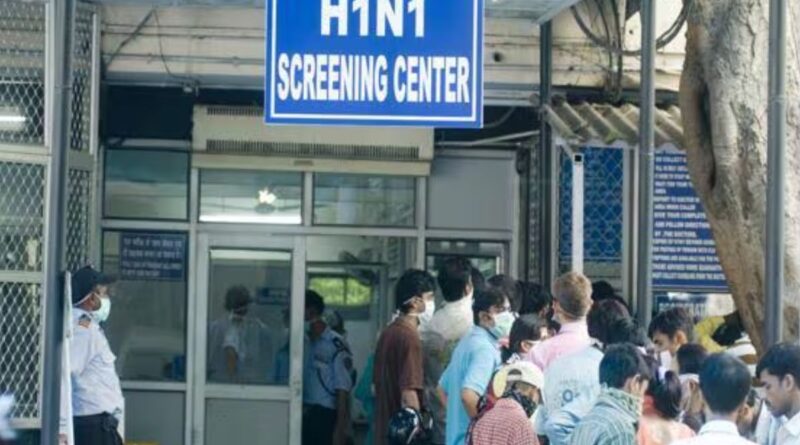
H1N1 Swine Flu in India: Nagpur Records First Death of 2026 — Check Symptoms, Causes, Treatment, Prevention, and Who is Most at Risk in India
0
H1N1 Swine Flu in India: India is seeing a noticeable rise in H1N1 (Swine Flu) infections as the monsoon season progresses, prompting health authorities to step up surveillance and public awareness. The concern has grown after Nagpur reported its first confirmed H1N1-related death of 2026 and veteran actress Shabana Azmi tested positive for the virus.
Doctors say most infections can be treated successfully with early diagnosis and timely antiviral medications, but delayed treatment can lead to serious complications, particularly among high-risk groups.
As cases increase in several states, health experts are urging people to recognise symptoms early and follow basic preventive measures to limit the spread of the virus.
H1N1 Swine Flu in India: Nagpur Reports First Confirmed H1N1 Death This Year
Nagpur has recorded its first confirmed death caused by Influenza A (H1N1), or swine flu, in 2026 after a sharp increase in infections during July. According to the Nagpur Municipal Corporation (NMC), the city has reported 25 laboratory-confirmed H1N1 cases since January, with 15 infections detected this month alone. More than 60% of this year’s total cases have emerged in July, indicating a significant seasonal surge.
The H1N1 Death Audit Committee reviewed two recent deaths linked to suspected swine flu. After examining medical records, laboratory findings, treatment history, and pre-existing illnesses, the committee confirmed that one patient died due to H1N1 infection. It concluded that the second death was unrelated to the virus because the patient had multiple underlying medical conditions.
Health officials said 13 of the 15 July cases were reported within the Nagpur Municipal Corporation limits, prompting authorities to increase disease surveillance across the region.
H1N1 Swine Flu in India: What is H1N1 Swine Flu?
H1N1 is a subtype of the Influenza A virus that infects the nose, throat, and lungs. It became globally known during the 2009 swine flu pandemic and now circulates as one of the seasonal influenza viruses in India.
The virus typically spreads through droplets released when an infected person coughs, sneezes, or talks. It can also spread after touching contaminated surfaces and then touching the eyes, nose, or mouth.
India usually records higher H1N1 activity during the monsoon months and again in winter.
H1N1 Swine Flu in India: Common Symptoms of H1N1
Doctors say most patients initially develop symptoms similar to seasonal flu, including:
- High fever
- Dry cough
- Sore throat
- Runny or blocked nose
- Headache
- Body aches
- Chills
- Extreme fatigue
- Vomiting or diarrhoea in some cases
People should seek immediate medical attention if they develop:
- Difficulty breathing
- Chest pain or pressure
- Persistent vomiting
- Confusion
- Bluish lips or skin
- Symptoms that improve briefly and then worsen suddenly
H1N1 Swine Flu in India: Who is Most at Risk?
Doctors say certain groups are more likely to develop severe illness from H1N1 infection, including:
- Older adults
- Children under five years
- Pregnant women
- People with diabetes
- Patients with heart, kidney, or lung diseases
- Individuals with weakened immune systems
Health experts advise these groups to seek medical care as soon as flu-like symptoms appear.
H1N1 Swine Flu in India: Swine Flu Treatment in India
- Consult a doctor immediately if flu-like symptoms appear.
- Get tested if advised by a healthcare professional.
- Take antiviral medicines such as oseltamivir only if prescribed by a doctor.
- Antiviral treatment works best when started within 48 hours of symptom onset.
- Get adequate rest and stay well hydrated.
- Use fever-reducing medicines only as recommended by a doctor.
- Wear a mask to prevent spreading the virus to others.
- Isolate at home until recovery if symptoms are mild.
- Seek immediate hospital care if you experience breathing difficulty, chest pain, confusion, or worsening symptoms.
- High-risk groups, including pregnant women, older adults, young children, and people with chronic illnesses, should seek medical attention as early as possible.
H1N1 Swine Flu in India: How to Prevent H1N1 Infection?
Public health officials recommend following simple precautions to reduce the spread of the virus:
- Wash hands frequently with soap and water.
- Cover your mouth and nose while coughing or sneezing.
- Wear a mask if you have flu-like symptoms.
- Avoid close contact with infected individuals.
- Stay home when sick to prevent spreading the virus.
- Consult a doctor early if symptoms worsen or persist.
Doctors say antiviral medicines work best when started within the first 48 hours of symptom onset, making early diagnosis critical.
 20
20 584226
 20
20
 20
20