
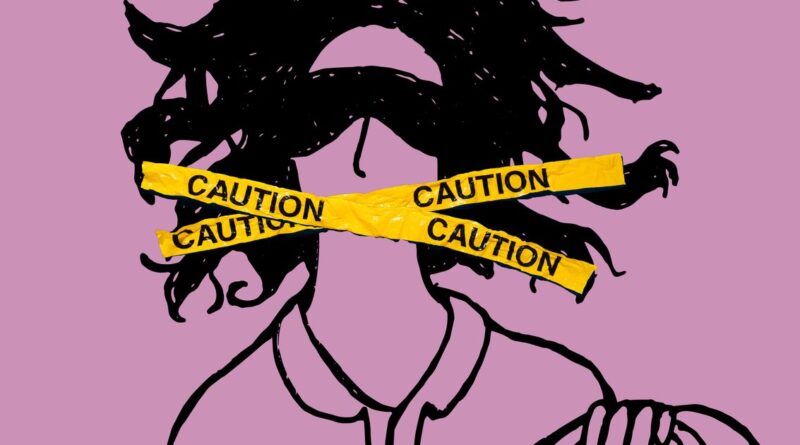
The 6 most controversial health trends – plus two that will actually boost your health
We’ve never had more information about our health, and arguably, we’ve never been more confused. Social media has created a generation of wellness influencers who are passionate and persuasive but often completely unqualified, offering a tsunami of misguided, and sometimes dangerous, health advice long before any expert has had a chance to weigh in.
From taping your mouth shut at night to injecting unsupervised weight loss drugs, we’ve asked the medical professionals actually qualified to tell us what they really think.
6 most controversial health trends
1. Mouth taping when you sleep
The promise is seductive, tape your mouth shut at night to force nasal breathing, and wake up having slept deeper and snored less. It blew up on TikTok and has been endorsed by celebrities, however, a 2025 systematic review concluded the practice presents a “potentially serious risk of harm”. Four studies flagged a risk of asphyxiation for anyone whose mouth breathing is caused by nasal obstruction – hay fever, a deviated septum, enlarged tonsils. If your nose is blocked and your mouth is taped, you have nowhere to breathe.
“Snoring is usually caused by turbulent airflow through a partially narrowed upper airway,” explains Dr Mike Wakfield, a respiratory consultant at Yorkshire Respiratory clinic. “Obstructive sleep apnoea is thought to affect around 20% of adults, with many cases undiagnosed. Think of taping the mouth shut like closing a lane on a motorway, airflow may become more restricted, particularly in people who already have narrowing in the nose or throat, contributing to morning headaches, grogginess and unrefreshing sleep.”
Dr Wakefield urges anyone with symptoms – snoring, witnessed paused breathing, poor sleep quality – to seek medical assessment rather than relying on social media trends.

2. The carnivore diet
A diet of nothing but animal products, with no fruit, vegetables, wholegrains, nuts or seeds. Fans claim it cures acne, reverses diabetes and strips body fat, and it has influential backers and a devoted online community. But according to registered nutritionist Michaella Mazzoni, there is zero credible science backing up these claims.
“Dietary fibre is essential to feed and support your gut microbiome, where not only around 70% of your immune system lives, but also bacteria involved in hormone balance, blood sugar regulation and autoimmune disease prevention. Eliminating all plant foods doesn’t just remove one nutrient, it removes an entire category of support your body relies on.” The long-term risks are significant. Low fibre diets are linked to increased risk of bowel cancer and breast cancer, and the cardiovascular implications of sustained high saturated fat intake concern cardiologists.

3. The “cortisol detox” cocktail
While the combo of fruit juice, coconut water, sea salt and magnesium powder isn’t going to cause harm to most, the idea that you can “detox” a hormone is dangerous. This trend claims that downing one each morning can “flush” stress hormones from the body, fixing anxiety, fatigue, brain fog and stubborn belly fat.
“There’s currently no good evidence that a cortisol detox cocktail can flush cortisol from the body,” says Josephine Smith, a nutritional practitioner at Supplement Hub. “Claims that a drink can ‘detox’ cortisol are very misleading.”
So why do people swear by it? Correcting dehydration or blood sugar instability may briefly relieve fatigue and stress symptoms, but that’s very different from detoxifying cortisol itself. For some, the risk goes beyond false promises. “People with impaired kidney function, or taking medications that raise potassium levels, should be mindful,” Smith warns. “Excessive potassium intake can contribute to hyperkalaemia, which in severe cases may affect heart rhythm.”
For everyone else, the danger is the false sense of action it creates – particularly for anyone with real adrenal issues who needs actual medical attention, not a morning mocktail.

4. Skipping SPF
The “natural sun exposure” movement has gained real traction online, declaring sunscreen toxic and claiming it blocks vital vitamin D. Just this month, Cancer Research UK reported that melanoma cases have hit a record high in the UK.
“The idea that the UK climate protects you from sun damage is one of the most dangerous misconceptions I encounter in clinic,” says consultant dermatologist Dr Anjali Mahto, founder of Self London clinic. “Skin cancer is the most common cancer in the UK, and UV radiation doesn’t require blue skies to cause DNA damage. Clouds are not sunscreen.”
The vitamin D argument fares no better. “The amount of unprotected sun exposure needed to meaningfully raise vitamin D levels in the UK is far greater than most people realise – and the trade off in cumulative UV damage isn’t worth it. A daily supplement is safer, cheaper and frankly more effective.”

5. “Bed rotting” as self-care
Spending entire days in bed – scrolling, napping, doing nothing – has been reframed by Gen Z as radical self-care, and millions of posts celebrate the practice.
“The popularity of ‘bed rotting’ says a lot about how emotionally exhausted people feel right now,” says BACP-registered psychotherapist Shelly Dar. “Many people aren’t lazy, they’re depleted.” But the blurred line between recovery and retreat matters clinically. “For someone already struggling with anxiety or low mood, spending long periods in bed and withdrawing from normal routines can deepen symptoms rather than relieve them,” Dar explains. “Real rest usually helps you feel calmer and clearer. Behavioural avoidance tends to do the opposite.”
Sleep specialists add another layer, excessive time in bed erodes the brain’s association between bed and sleep, which can worsen insomnia. Physical inactivity intensifies fatigue rather than resolving it – meaning the exhaustion that drove someone to bed rotting can actually be made worse by it.

6. Unsupervised GLP-1 use
Ozempic and Mounjaro have become the most talked-about weight loss tools in a generation, and surging demand has created a black market of unregulated products bought online after cursory five-minute assessments.
“As a GP who prescribes GLP-1 medications, I’ve seen first-hand how transformative these drugs can be, but only when used appropriately and under careful monitoring,” says Dr Semiya Aziz, GP and founder of Say GP. “Used carelessly, they can create avoidable medical complications that are increasingly ending up in GP surgeries or A&E.”
The risks of going unsupervised include severe gastrointestinal side effects, gallbladder disease, and without adequate protein intake and exercise, dangerous muscle loss. Pancreatitis has also been flagged as a concern by regulators, with the MHRA actively encouraging reporting of suspected cases. “Compounded or unregulated products sourced outside licensed supply chains risk uncertainty about dose accuracy, sterility or even what the product actually contains. That’s where the risk of real harm escalates significantly,” Dr Aziz warns. “GLP-1 medications are powerful tools, but they are not cosmetic quick fixes that require little or no supervision.”

And two that could actually boost your health…
Cold water swimming or ice baths
It sounds like self-punishment, but submerging yourself in near-freezing water – whether that’s a garden ice bath or a winter dip in the sea – has become one of the defining health trends of the last few years, and unlike most, the science actually backs the hype. When your body hits cold water, the sympathetic nervous system activates, spiking noradrenaline and beta-endorphins, chemicals that balance your body’s flight-or-fight response and promoting pain relief and relaxation. A 2025 systematic review found meaningful improvements in sleep quality, stress reduction and quality of life, plus a 29% reduction in sickness absence among cold shower users.
The safety rules matter though. You should never swim alone, never enter cold water after alcohol and acclimatise gradually. And anyone with a cardiovascular condition needs medical clearance first. Cold water shock – the involuntary gasp reflex on entry – is a genuine drowning risk and can cause heart attacks, even in the relatively young and healthy, according to the RNLI.

Fermented foods
Deliberately eating bacteria sounds counterintuitive, yet kimchi, kefir, sauerkraut, miso and kombucha have all graduated from health food shop curiosity to one of the most compelling areas in nutrition.
Fermentation introduces live beneficial bacteria (probiotics) into the gut, supporting microbiome diversity, and diversity matters. The gut houses around 70% of the immune system, plus bacteria involved in hormone balance, mood regulation, blood sugar control and inflammation. A less diverse microbiome has been linked to everything from IBS and allergies to depression and autoimmune disease.
The landmark evidence came from a 2021 Stanford University study, which found a high-fermented food diet significantly increased microbiome diversity and reduced markers of inflammation – results that help up against a high-fibre diet in the same trial.
But before you head to the supermarket, shop-bought versions vary greatly. Pasteurised sauerkraut or kombucha contain no live bacteria at all. Instead look for raw, unpasteurised products.

 20
20 584226
 20
20
 20
20