Mumbai Metro 3 goes online: Commuters can now get mobile connectivity underground | Mumbai News
3 min readMumbaiJun 11, 2026 02:46 PM IST
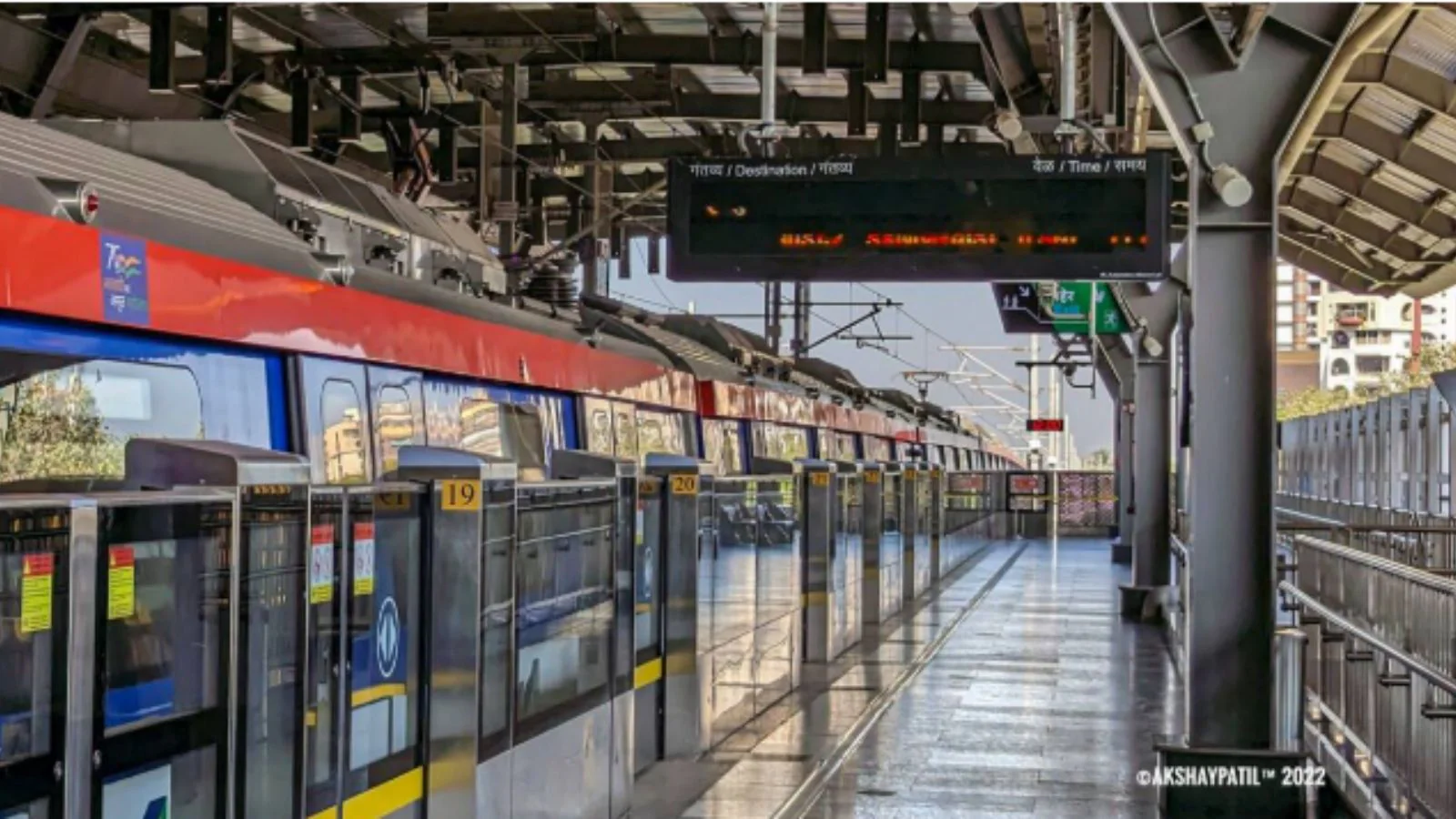
For the first time since Mumbai Metro 3 began operations, commuters are starting to get mobile connectivity inside the underground corridor.
Airtel and Vodafone Idea (Vi) have begun rolling out network services across parts of the line, allowing passengers to make calls, send messages and access the internet while travelling through tunnels where phones would previously lose signal.

The rollout is currently limited to stretches where telecom operators had earlier put in place temporary arrangements.
Vi subscribers can access connectivity across 16 stations, from Aarey JVLR to Acharya Atre Chowk in Worli. Airtel’s network is currently available on 10 stations between Aarey JVLR and BKC.
According to officials of the Mumbai Metro Rail Corporation (MMRC), services are being activated in phases and coverage will gradually expand across the corridor.
Q) Which section is still offline?
The remaining stretch of the line from Science Centre to Cuffe Parade is still being equipped with telecom infrastructure.
Vi said work is underway across the 11 stations on this section, and connectivity is expected to be rolled out in the coming weeks. Airtel is also expected to extend coverage as installation work progresses.
Story continues below this ad
Q) Why are Jio users still waiting?
Unlike Airtel and Vi, Jio did not operationalise services during the initial phases of Metro 3. Sources said the operator will need to make fresh infrastructure arrangements across the corridor before it can begin offering connectivity, which is likely to take longer.
Q) Why was there no mobile network until now?
The delay stemmed from a prolonged dispute over the telecom infrastructure planned for the underground line.
MMRC had originally appointed ACES India to build and operate a neutral telecom network across Metro 3 stations. However, telecom operators objected to the charges proposed for using the infrastructure, arguing that the costs were too high.
The disagreement stalled the rollout for months before MMRC scrapped the arrangement and issued fresh tenders in March.
Story continues below this ad
Q) What changed?
In May, MMRC signed a joint agreement with Airtel, Jio and Vi, allowing the operators to build and operate the telecom infrastructure themselves.
Under the agreement, the companies will jointly deploy in-building solutions (IBS) and shared telecom infrastructure across the underground corridor, which they will operate for the next 25 years.
Q) When will the entire line be connected?
Not immediately.
Sources said operators are still working on laying fibre infrastructure across the network, a process that will involve civil works and could take several months. As a result, connectivity is expected to expand in stages rather than across the entire corridor at one go.
Story continues below this ad
BSNL subscribers will have to wait longer still, with services expected to be introduced within the next six months.


Stay updated with the latest – Click here to follow us on Instagram
 20
20 584226
 20
20
 20
20